TL;DR

Get books, candles and calm essentials delivered free — and shop member deals
- Fast, free delivery on millions of items
- Access to Prime Big Deal Days deals on October 6–7
- Prime Video, Amazon Music and more included
Spiritual Halloween decorations use meaningful symbols, natural materials, and gentle lighting to create a reflective atmosphere rather than relying only on fright. Choose objects that fit your beliefs, explain or research traditions you borrow from, and use safe, reusable materials. A small display—a candle or LED lantern, a handwritten intention, and seasonal leaves—can feel more personal than a room full of themed products.
A paper lantern, a handful of russet leaves, and one small skull can change the feeling of a Halloween table from a haunted-house prop to a quiet place for remembrance. Spiritual Halloween decorations bring together seasonal imagery and personal meaning, so your home can feel reflective, comforting, or mysterious without turning every corner into a jump scare.
This guide explains how to choose symbols, build a display with everyday materials, create a thoughtful atmosphere, and avoid common cultural and safety missteps. You do not need to follow a particular spiritual path or buy crystals to make something meaningful. Start with what matters to you, whether that is remembering a loved one, enjoying autumn, or simply making a calm, candlelit corner.
Choose one clear purpose for your display, such as remembrance, seasonal reflection, or a calm atmosphere.
Use symbols only when you understand their meaning and cultural context; avoid treating sacred imagery as generic Halloween decoration.
Build a simple arrangement with one anchor object, a natural seasonal material, and gentle lighting.
Use LED candles near paper, dried plants, and fabric; keep real flames attended and on stable surfaces.
Reuse jars, fabric, and paper, and check with housemates or guests before using strong scents or personal religious imagery.
What Makes Halloween Decorations Feel Spiritual?
Spiritual Halloween decorations are seasonal displays chosen for personal meaning, reflection, remembrance, or a sense of protection—not just for a frightening effect. Their meaning comes from the person arranging them, so a lantern might represent guidance for one household and simply bring a warm glow to another. The objects matter, but the intention behind your choices matters more.
Halloween imagery already carries many associations. Skulls can remind people of mortality or, in a particular tradition, serve a more specific cultural role; black cats may suggest mystery, while autumn leaves mark the passing season. These symbols are not universal dictionaries. Before you use an image, ask what it means to you and whether its use might carry a meaning from a tradition you do not know.
For example, you might set a small table with a framed photograph of a grandparent, a dried maple leaf, and an LED candle. That arrangement can honor a memory without claiming to represent a specific ritual or belief. Personal meaning keeps the display grounded: you are creating a reminder, not promising a supernatural result.
Think of your decorations like words in a short poem. A single well-chosen image can say more than a crowded shelf of objects whose meanings you have not explored. The important aspects of a spiritual display are meaning, intention, and respect; the look can stay simple, handmade, and unmistakably yours.
As an affiliate, we earn on qualifying purchases.
Choose Symbols You Can Explain and Use with Respect
Spiritual Halloween decorations work best when you can explain why each symbol is there and where its meaning comes from. A skull, candle, herb bundle, or geometric motif may carry different meanings across families and traditions, so avoid treating every symbol as a general-purpose charm. Research it, use it within your own practice, or choose a simpler image that you understand.
Some decorations often incorporate symbols with deep meanings, such as skulls, lanterns, and black cats. A skull can prompt reflection on mortality; a lantern can suggest welcome or guidance; and a cat may simply celebrate an animal you love. These symbols are not automatically spiritual, and their meaning changes with context. In particular, avoid copying sacred designs or ritual objects from a culture as a generic Halloween look.
Imagine you find a beautiful patterned skull online and want to paint it for your mantel. Before copying the design, check whether it belongs to a specific cultural celebration and learn how people from that tradition use it. If you cannot establish its context, choose a plain paper skull decorated with your own autumn colors and a personal note about remembrance.
A helpful test is to ask, “Could I tell a guest what this means without making claims for everyone?” That question encourages honest, respectful choices. You can also make the display easier to understand by adding a small card: “Lantern for remembering people who guided me,” or “Leaves collected on our family walk.”
LED candles for Halloween decorations
As an affiliate, we earn on qualifying purchases.
As an affiliate, we earn on qualifying purchases.
Build a Personal Display in Five Simple Steps
Spiritual Halloween decorations do not need expensive supplies or complicated rituals; you can make a meaningful display in five practical steps. Start with a purpose, then choose objects and lighting that support it. A small shelf, windowsill, or side table gives you enough room to create a focused scene without overwhelming your home.
- Choose an intention. Write one plain sentence, such as “I want this corner to feel calm” or “This display helps me remember my aunt.”
- Select one anchor object. Use a family photo, a paper lantern, a small skull, or another item whose meaning you can explain.
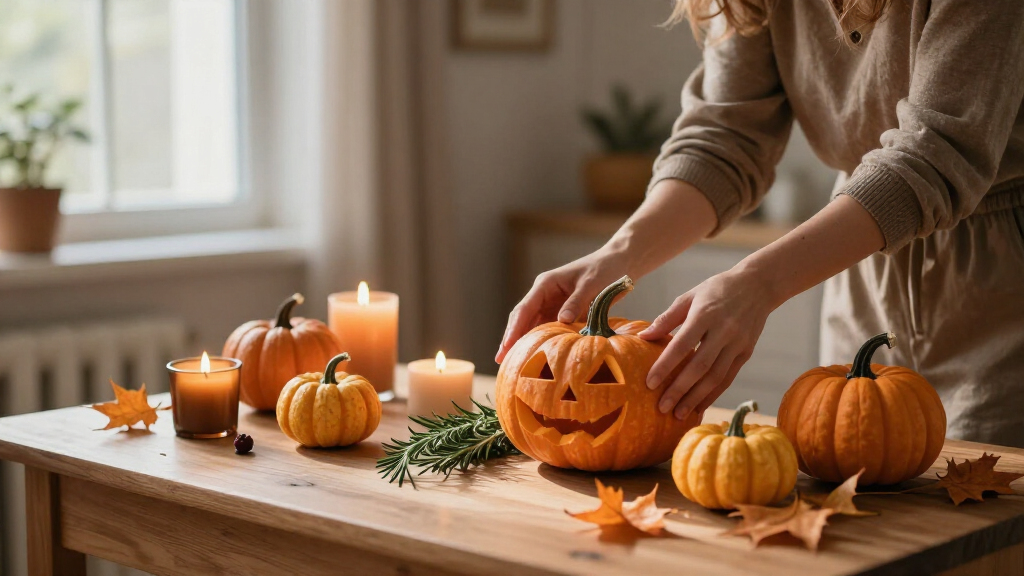
- Add seasonal material. Gather fallen leaves, pinecones, or a clean pumpkin. Check that outdoor finds are dry and free from insects.
- Set the light. Place an LED candle or battery-powered fairy lights nearby for a soft amber glow.
- Leave breathing room. Remove objects that compete with your purpose, and check that the arrangement is stable and away from walkways.
For instance, a renter who has only a narrow windowsill could place a handwritten remembrance beside a small jar of leaves and one battery lantern. That takes minutes, costs little, and can be packed away without damaging the wall or furniture. One clear intention helps the arrangement feel deliberate rather than like a pile of seasonal decorations.
Keep the process flexible. If your display starts to feel too solemn, add a bright orange ribbon or a tiny pumpkin. If it feels cluttered, take one thing away. You are making an inviting corner for real life, not a test you have to pass.
As an affiliate, we earn on qualifying purchases.
Use Light and Natural Materials for a Calmer Atmosphere
Soft light and natural textures can make a Halloween display feel reflective instead of theatrical. Candlelight, lanterns, and warm fairy lights create a gentle contrast with the dark evenings of late October, while leaves, wood, paper, and dried herbs add color and texture. Together, they make a scene that feels closer to an autumn supper table than a horror set.
Try a battery-powered lantern beside a bowl of acorns and a folded note of gratitude. The lantern gives the display a visual center; the acorns bring a rough, earthy texture; and the note makes its purpose personal. You can also use reusable glass jars, scrap fabric, cardboard silhouettes, or a pumpkin you compost after the season.
Crystals and herbs appear in many personal spiritual practices, but they do not have proven protective powers. If you enjoy using them, choose them for their color, family meaning, or place in your own practice rather than treating them as a guarantee of safety or healing. A sprig of rosemary in a paper-wrapped jar can look lovely, but keep dried plants away from flame and out of reach of pets who may chew them.
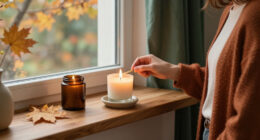
For a safer glow, use LED candles near fabric, dried leaves, or paper. If you prefer a real candle, put it in a stable holder on a clear surface and never leave it burning unattended. The flicker may feel magical; a careful setup lets you enjoy the mood without turning the decoration into a fire risk.
personal remembrance Halloween display
As an affiliate, we earn on qualifying purchases.
As an affiliate, we earn on qualifying purchases.
Keep Your Decor Sustainable and Comfortable for Everyone
Reusable and biodegradable materials let you create spiritual Halloween decorations without filling a storage bin with short-lived plastic. Use fallen leaves, reclaimed jars, scrap paper, fabric you already own, and pumpkins that can be composted where local services accept them. A handmade display can still look polished: repeat two or three colors, such as copper, cream, and deep green, instead of buying a matching set.
Picture a family making paper lanterns from old grocery bags. Children can draw stars or leaves, adults can write a memory inside, and the finished lanterns can be recycled after the holiday if they are clean and free of plastic coatings. If you want to save them, use sturdy reused paper and store them flat. This approach makes the activity part of the celebration, not just a shopping list.
Think about who shares the space. A room-mate may prefer cheerful autumn decor to ancestor imagery; a child may find realistic skulls upsetting; and a guest may have allergies to incense or certain herbs. Ask before placing strong scents or personal religious symbols in shared rooms. You can keep a private altar or remembrance shelf in your own space while using neutral leaves and warm lights in the entryway.
Comfort is part of hospitality. A decoration that feels meaningful to you should not force a belief on visitors or make them guess what they are allowed to touch. A small sign or a simple explanation can set expectations kindly, especially if you display family photographs or objects with personal significance.
Bring Spiritual Meaning into Modern, Small Spaces
Spiritual Halloween decorations can fit a modern apartment, a shared home, or a digital gathering when you scale the display to the space you have. A full altar is not required: one shelf, a phone background, or a small arrangement on a desk can give you a moment of quiet. The size of the display does not measure the depth of its meaning.
For example, someone joining a family call from a small studio might set a paper lantern and a framed photograph just outside the camera frame, then use a warm-toned virtual background with autumn leaves. That keeps the visible room uncluttered while still giving the person a personal focal point before or after the call. Digital decorations work well as atmosphere, but they do not replace a physical object if touch or scent is part of what makes a ritual meaningful to you.
Contemporary displays sometimes mix chakra colors, meditation prompts, or affirmations with traditional Halloween shapes. You can make that blend feel coherent by choosing one palette and one message. A purple paper moon beside a note reading “Make room for rest” looks intentional; adding every color, symbol, and slogan at once can make the shelf feel noisy.
Try a two-minute pause when you finish arranging the space: look at each object and decide whether it supports the feeling you want. If a decoration distracts you, remove it. A quiet corner should be like a deep breath, not another screen competing for your attention.
Frequently Asked Questions
How can I make spiritual Halloween decorations at home?
Choose a purpose, such as remembrance or creating a calm corner, and build around one object that reflects it. Add seasonal leaves or a small pumpkin, then use an LED lantern for a warm glow. A windowsill arrangement can work just as well as a large altar.
Which symbols are best for spiritual protection?
There is no single symbol that guarantees protection, and meanings vary across traditions. If a symbol belongs to your own beliefs, use it in a way that feels respectful; otherwise, choose a personal reminder such as a family keepsake or a written intention. Practical safety measures still matter.
Do I need crystals or herbs for spiritual Halloween decor?
No. Crystals and herbs are optional, and their significance depends on personal belief and tradition rather than proven protective effects. You can create a meaningful display with paper, leaves, a photograph, and soft lighting instead.
How can I use spiritual symbols without appropriating another culture?
Learn where a symbol comes from and how people within that tradition use it before including it in your decor. Avoid copying sacred designs as a costume-like theme, and choose imagery connected to your own family or practice when you are unsure. When appropriate, listen to people from the culture rather than relying on a quick product description.
What are eco-friendly options for Halloween decorations?
Reuse glass jars, fabric scraps, cardboard, and paper, and gather fallen leaves or pinecones where collecting them is allowed. Choose pumpkins you can compost locally, and store sturdy decorations for next year. Battery-powered lights can be reused, though you should dispose of batteries through a suitable collection program.
Conclusion
Make your display with one intention, one meaningful object, and one gentle source of light. Learn the context of symbols you use, choose materials that suit your home, and leave room for other people’s beliefs and comfort.
A lantern does not need to promise anything beyond the light it gives. Set it beside a leaf, a photograph, or a handwritten note, and let that small glow remind you what you wanted to remember.
Fall Picks
fall essentials
As an affiliate, we earn on qualifying purchases.