
TL;DR

Turn your quiet moments into listening time
- Thousands of audiobooks, podcasts and originals
- Listen on your phone, tablet or Echo — also offline
- Cancel anytime
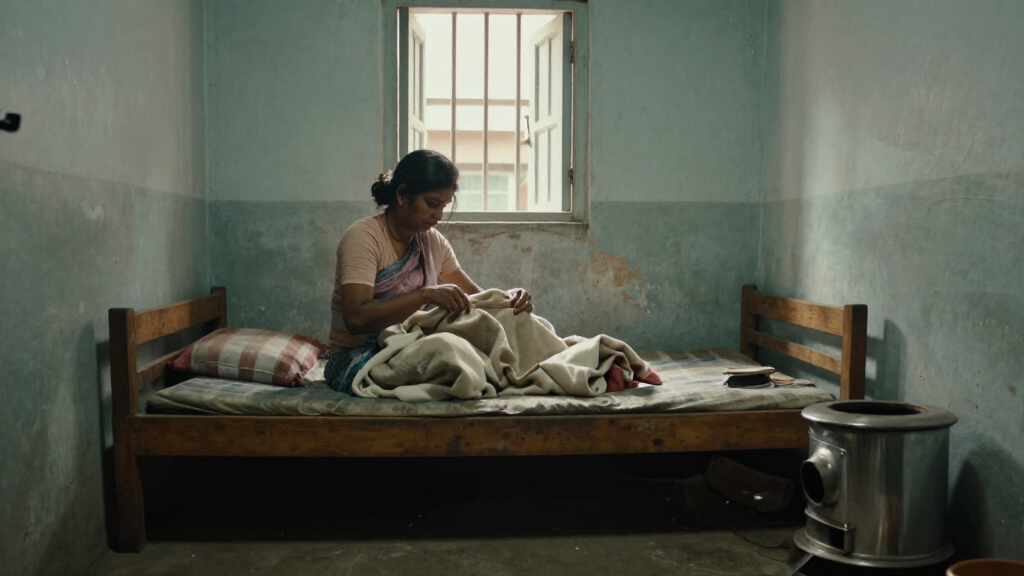
A Mumbai resident spent a night in a local chawl to experience daily life firsthand. The experience highlighted the cramped living conditions and hardships faced by residents, prompting renewed focus on urban poverty issues.
A Mumbai resident spent a night in a local chawl to better understand the living conditions faced by residents. The experience revealed cramped spaces, limited amenities, and the daily struggles of low-income families, prompting discussions on urban housing issues.
The individual, who chose to remain anonymous, stayed overnight in a densely populated chawl in central Mumbai. The residence, typical of many such neighborhoods, had minimal space, shared toilets, and no private amenities. The resident reported feeling the physical and emotional toll of living in such conditions, including limited privacy and constant noise.
Local residents and housing experts confirmed that such living arrangements are common in Mumbai, where affordable housing options are scarce. Officials from the Mumbai Municipal Corporation stated that these chawls are often overcrowded and lack basic infrastructure, highlighting the ongoing challenge of urban housing affordability.
Mumbai Resident’s Overnight Chawl Stay Reveals Harsh Lifestyle Realities
One night offered a direct encounter with a much longer struggle: cramped rooms, shared toilets, limited privacy and constant noise. The account has renewed attention on affordable housing and basic urban infrastructure.
01 · The lived conditions
Four pressures inside one address
The anonymous visitor described not one isolated inconvenience but overlapping physical and emotional demands. Local residents and housing experts said these arrangements are common where affordable alternatives remain scarce.
Cramped rooms
Minimal floor area compresses sleeping, storage and family activity into the same limited space.
Shared toilets
Residents depend on communal facilities rather than private sanitation within the home.
Few boundaries
Close quarters and shared amenities leave little separation between household and community life.
Constant noise
Persistent activity and sound can add emotional strain to an already demanding environment.
02 · Traceability chain
How one personal account enters public debate
The stay does not itself create policy, but it connects an individual experience to a wider and longstanding housing question.
Overnight stay
A resident enters a chawl to observe daily life firsthand.
Direct exposure
Limited space, shared toilets and noise become tangible.
Public account
The experience translates routine hardship into a visible story.
Wider discussion
Residents, experts and officials revisit the housing deficit.
Possible action
Upgrades and affordable housing remain proposals, not confirmed outcomes.
03 · Conditions compared
Basic needs meet structural constraints
The account highlights the gap between a secure urban home and the conditions reported in overcrowded chawls. The comparison is qualitative and reflects the issues described in the local report.
| Housing dimension | Reported chawl reality | Healthy housing objective | Current gap |
|---|---|---|---|
| Personal space | Minimal and multipurpose | Enough room for core household needs | ✗ Significant |
| Sanitation | Shared toilet access | Safe, reliable and dignified facilities | ✗ Significant |
| Privacy | Limited by density and layout | Secure personal and household boundaries | ✗ Significant |
| Noise exposure | Constant community activity | Reasonable opportunity for rest | ~ Persistent |
| Community ties | Close, shared daily environment | Connection without loss of dignity | ✓ Existing strength |
| Affordability | Few viable alternatives | Quality housing within household means | ~ Structural |
04 · Pressure map
Where the account places urgency
These bars visualize the relative prominence of themes in the reported account. They are an editorial signal of emphasis, not measured survey data or official prevalence statistics.
Reported issue intensity
Qualitative emphasis across the overnight account and subsequent discussion.
Visual scale: editorial assessment · not statistical measurement
From attention to action
What remains unresolved after the account entered public discussion.
Upgrade infrastructure
Improve sanitation, maintenance and basic services within existing neighborhoods.
Expand affordable housing
Increase realistic alternatives for families priced out of formal housing.
Engage communities
Include residents in decisions about upgrading, rehabilitation or relocation.
Protect dignity
Make privacy, health and mental well-being part of housing quality standards.
05 · Voices from the issue
The human cost behind the housing vocabulary
“Living in such conditions affects not just physical health but also mental well-being. The government must prioritize affordable, quality housing.”
Local housing expert
06 · Key questions
What the story does—and does not—establish
The stay offers a personal lens on a longstanding challenge. It increases visibility, but it cannot substitute for resident testimony, systematic evidence or concrete policy commitments.
Why stay overnight?
The visitor wanted to experience and better understand the daily realities faced by low-income families living in a chawl.
What problems stood out?
Overcrowding, inadequate sanitation, limited privacy, constant noise and a lack of private amenities.
Are these conditions isolated?
No. Residents and housing experts said similar arrangements exist across many low-income neighborhoods and chawls in Mumbai.
Will policy change follow?
That remains uncertain. Officials have acknowledged infrastructure and overcrowding concerns, but no specific response has been announced.
What could improve daily life?
Potential responses include better sanitation and maintenance, more affordable housing, improved privacy measures, community-led upgrades and careful rehabilitation that does not sever livelihoods or social networks.
Impact of Personal Experience on Housing Policy Discourse
This experience sheds light on the real-life hardships faced by millions of Mumbai residents living in overcrowded and inadequate housing. It underscores the urgency for policy interventions aimed at improving urban living conditions and increasing affordable housing options.
portable privacy tent for small spaces
As an affiliate, we earn on qualifying purchases.
As an affiliate, we earn on qualifying purchases.
Historical Challenges of Mumbai’s Low-Income Housing
Mumbai has long struggled with housing shortages, leading to the proliferation of chawls and informal settlements. Over the past decades, government initiatives have aimed to upgrade or relocate residents, but many continue to live in overcrowded, poorly maintained conditions. This recent event brings renewed attention to these persistent issues and the need for sustainable solutions.
“Living in such conditions affects not just physical health but also mental well-being. The government must prioritize affordable, quality housing.”
— local housing expert
compact portable toilet for camping
As an affiliate, we earn on qualifying purchases.
As an affiliate, we earn on qualifying purchases.
Extent of Policy Changes Following Personal Accounts
It is not yet clear whether this incident will lead to concrete policy changes or increased government action on Mumbai’s housing crisis. Officials have acknowledged the issues but have not announced specific measures in response to this event.
multi-purpose space-saving furniture
As an affiliate, we earn on qualifying purchases.
As an affiliate, we earn on qualifying purchases.
Potential Policy Discussions and Community Engagement
Expect ongoing discussions among policymakers, urban planners, and community groups about improving living conditions in chawls. Further investigations and public awareness campaigns may follow to address the housing shortage and infrastructure deficits.
soundproof room divider for shared spaces
As an affiliate, we earn on qualifying purchases.
As an affiliate, we earn on qualifying purchases.
Key Questions
Why did the Mumbai resident stay in a chawl overnight?
The resident aimed to experience and understand the daily realities of residents living in such conditions, highlighting the challenges faced by low-income families.
What are the main issues faced by residents of Mumbai’s chawls?
Overcrowding, limited privacy, inadequate sanitation, and lack of private amenities are common issues faced by residents.
Will this event lead to policy changes?
It is uncertain. While it has increased awareness, concrete policy actions have not yet been announced.
How widespread are these living conditions in Mumbai?
Many low-income neighborhoods and chawls across Mumbai face similar issues, reflecting a broader urban housing challenge.
Potential solutions include upgrading infrastructure, increasing affordable housing projects, and implementing better sanitation and privacy measures.
Source: local
Fall Picks
fall essentials
As an affiliate, we earn on qualifying purchases.