
📊 Full opportunity report: Pocket Voice Lab on IdeaNavigator AI — validation score, market gap, and execution plan.
TL;DR
Pocket Voice Lab is a forthcoming mobile app designed to offer real-time acoustic biofeedback for voice training. It targets transgender individuals, public speakers, and singers who lack easy access to in-person coaching. The project is in development, with a pilot planned to validate its effectiveness and market demand.
Pocket Voice Lab is a mobile application under development that aims to deliver real-time acoustic biofeedback for voice training, primarily targeting transgender and gender-nonconforming individuals, public speakers, and singers who lack easy access to in-person speech therapy or vocal coaching. The app’s goal is to fill a significant gap in ongoing, objective voice progress tracking and feedback, which is often unavailable outside clinical or coaching settings.
The app will allow users to record short voice samples and receive immediate visual feedback on fundamental pitch, resonance, and a basic strain indicator based on harmonic-to-noise ratio. It will include 8-12 guided exercises tailored for gender-affirming voice work, with features such as progress tracking over time and shareable reports for clinicians. The initial focus is on voice feminization and masculinization, with plans to expand into other voice training areas.
The development is driven by advances in smartphone microphone technology and on-device acoustic analysis, which now make real-time feedback feasible without lab hardware. Academic research supports the use of voice as a clinical biomarker, and existing prototypes like TruVox and Attuned have validated the scientific basis. The project aims to launch a freemium model, offering a free daily exercise cap and a paid subscription for unlimited access and detailed reports, with potential licensing to clinics and speech therapists in the future.
Impact on Accessibility for Voice Training
This development could significantly improve access to effective voice training for underserved populations, especially transgender individuals seeking gender-affirming voice changes. By providing objective, real-time feedback via a mobile device, the app could reduce reliance on expensive, geographically limited in-person sessions, making ongoing practice more feasible and motivating. If successful, it may also influence how voice health and training are delivered at scale, integrating AI-driven tools into mainstream voice care.

Vocal Fitness Training's Teach Yourself to Sing!: 20 Singing Lessons to Improve Your Voice (Book, Online Audio, Instructional Videos and Interactive Practice Plans)
As an affiliate, we earn on qualifying purchases.
As an affiliate, we earn on qualifying purchases.
Growing Demand for Accessible Voice Coaching Solutions
Traditional voice training and speech therapy are often expensive, time-consuming, and limited by location, creating barriers for many who seek to modify or improve their voice. The gender-affirming voice care gap is well-documented, with many individuals unable to access consistent coaching. Recent advances in mobile technology and acoustic analysis have enabled the development of apps offering real-time feedback, validated by peer-reviewed research and prototypes like TruVox. Consumer demand for voice coaching apps has grown, with over 4 million downloads of similar tools such as Vocal Image, indicating a strong market opportunity.
“Advances in smartphone microphones and on-device analysis now make real-time acoustic biofeedback practical outside lab settings.”
— an anonymous researcher
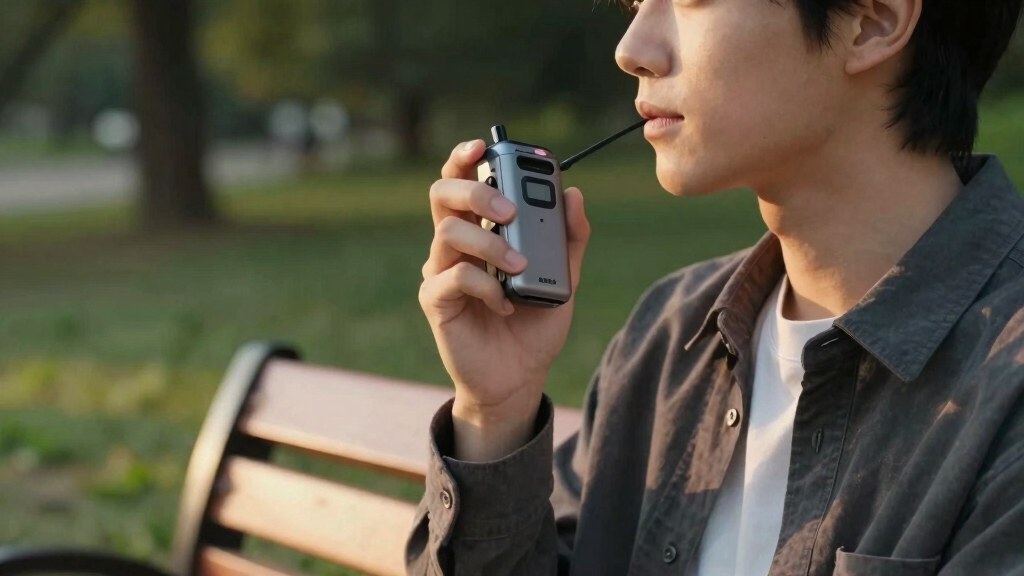
real-time acoustic biofeedback device
As an affiliate, we earn on qualifying purchases.
As an affiliate, we earn on qualifying purchases.
Unclear Aspects of App Development and Adoption
It is not yet confirmed how effectively the app will perform in real-world settings, how users will engage with the guided exercises, or whether the scientific feedback will translate into meaningful voice improvements. The pilot testing phase will be critical to validate these aspects and determine user willingness to pay and share voice data. Additionally, regulatory and privacy considerations for storing voice data remain to be addressed.
SHIDU Voice Amplifier for Teachers Portable Microphone and Speaker
- Powerful and Clear Sound: Crystal-clear output for large groups
- Wide Coverage Area: Amplifies sound up to 11800 sq.ft.
- Long Battery Life: 12 hours amplify, 10 hours music playback
As an affiliate, we earn on qualifying purchases.
As an affiliate, we earn on qualifying purchases.
Next Steps: Pilot Testing and Market Validation
The development team plans to run a 4-week paid pilot, recruiting participants from trans voice-training and public-speaking communities via a landing page and TestFlight prototype. The focus will be on measuring user engagement, session completion rates, and willingness to subscribe. Results will inform further refinement of features, pricing, and potential licensing agreements with clinics and therapists. The goal is to validate the app’s effectiveness and market fit before broader rollout.

Bjorem Speech® 2nd Edition Sound Cues: Comprehensive Phonetic Cue Cards for Speech Therapy & Literacy Skills – Visual Learning Aids for Apraxia, Dyslexia & Early Readrs
- Includes consonant and vowel cue cards: 28 consonants and 17 vowels with group cards
- Colorful illustrations and descriptions: Enhances learning and retention
- Suitable for children 18 months+: Developmentally appropriate for early learners
As an affiliate, we earn on qualifying purchases.
As an affiliate, we earn on qualifying purchases.
Key Questions
When will Pocket Voice Lab be available to the public?
The app is currently in development, with pilot testing planned. A public release will depend on pilot results and further development milestones.
How does the app provide feedback on voice quality?
It analyzes recordings in real-time to display visual feedback on pitch, resonance, and strain, helping users adjust their voice during practice sessions.
Is this app intended for clinical use?
Initially, it is designed as a self-guided tool for individual practice, with potential future licensing to clinics and speech therapists for supplementary use.
What populations will benefit most from this app?
Primarily transgender and gender-nonconforming individuals seeking voice feminization or masculinization, as well as public speakers and singers looking for ongoing, affordable coaching.
How will privacy be handled with voice data?
Details are still being finalized, but data privacy and security will be prioritized, especially given the sensitive nature of voice modifications.
Source: IdeaNavigator AI