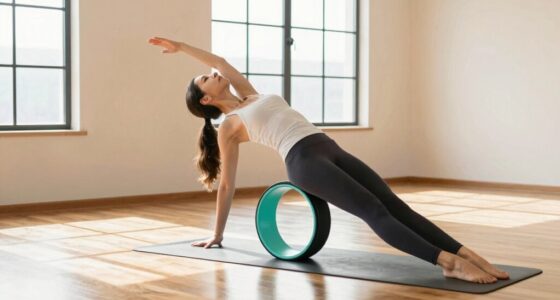
Ergonomics matter in meditation seating because proper support helps you stay comfortable and focused for longer periods. When your spine, neck, and hips are aligned, you reduce muscle tension and prevent discomfort that can distract you from your practice. Good posture promotes relaxation and clarity, making meditation more effective and enjoyable. Using supportive cushions or ergonomic seats can prevent long-term aches and keep you motivated. Keep exploring to discover how to create the perfect setup for your practice.
Key Takeaways
- Proper ergonomics ensure body relaxation and reduce discomfort, allowing deeper focus during meditation.
- Maintaining correct posture prevents muscle strain and long-term misalignments.
- Ergonomic seating supports spinal alignment, promoting alertness and mental clarity.
- Comfortable, supportive seats boost consistency and motivation in meditation practice.
- Good ergonomic design enhances overall physical health and prevents fatigue over time.
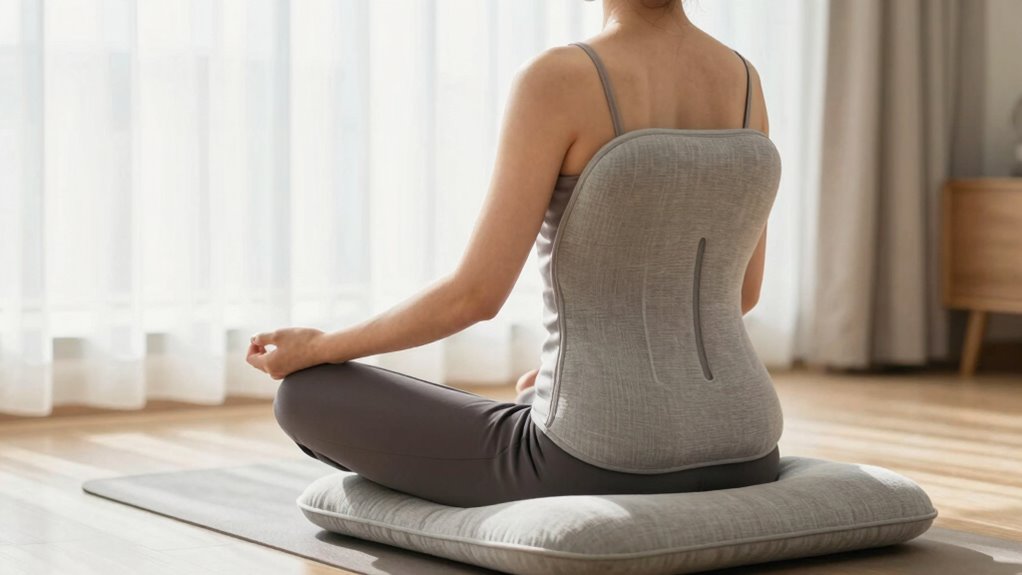
Practicing meditation requires more than just a quiet space; it also depends on how comfortably and supportively you sit. Your seating posture plays a vital role in establishing the right environment for mindfulness practices. When you sit with proper ergonomics, you help your body relax, which allows your mind to focus better and stay present during your meditation. Without attention to your seating, you might find yourself distracted by discomfort or physical strain, making it harder to achieve the calm and clarity you seek.
Comfortable, supportive seating enhances meditation focus by relaxing the body and minimizing distractions from discomfort.
The significance of ergonomic meditation seating lies in how it supports your spine, neck, and hips. If your posture is off, you may experience tension or pain that pulls your attention away from your mindfulness practices. Sitting upright with a straight back, aligned neck, and relaxed shoulders encourages a natural, balanced posture. This alignment reduces strain on your muscles and joints, helping you to meditate for longer periods without discomfort. Furthermore, a supportive seat or cushion can help maintain this posture, especially if your hips are slightly elevated to keep your knees at a comfortable angle. Proper posture alignment is essential for long-term comfort and effectiveness in meditation. Incorporating ergonomic principles into your seating choices can further enhance your comfort and support.
Your choice of seating should promote stability and comfort. When your body feels supported, you’re less likely to shift or fidget, which can break your concentration. You might opt for a meditation chair, cushion, or bench that encourages proper seating posture—something that keeps your back straight without forcing it into an unnatural position. Remember, the goal isn’t to sit rigidly but to find a position that allows your body to relax while remaining alert. Proper ergonomics help you achieve this balance, making your mindfulness practices more effective and enjoyable. Additionally, ergonomic design can influence how well your seating promotes healthy posture and reduces discomfort. Using supportive materials that conform to your body can further improve your sitting experience and prevent unnecessary strain.
Additionally, paying attention to your seating ergonomics can prevent long-term issues. Poor posture during meditation can lead to chronic aches or misalignments over time, which might discourage regular practice. The right ergonomic setup minimizes these risks, so you stay motivated and committed to your meditation routine. When your body feels good, your mind can relax more fully, deepening the benefits of your mindfulness practices. In essence, investing in proper ergonomic seating isn’t just about comfort—it’s about creating ideal conditions for your mental and physical well-being during meditation. Proper biodiversity-conscious seating options can also contribute to a more environmentally sustainable practice.
As an affiliate, we earn on qualifying purchases.
Frequently Asked Questions
How Can I Adjust My Seat for Different Meditation Postures?
To adjust your seat for different meditation postures, start with cushion adjustments to find comfort and stability. For cross-legged postures, elevate your hips slightly with a firm cushion, and for kneeling positions, use padding under your shins. Shift your posture as needed, keeping your spine straight and shoulders relaxed. Experiment with posture variations, adjusting cushions until you feel supported without strain, ensuring a comfortable, sustainable meditation experience.
Are There Specific Materials That Improve Ergonomic Support?
While gentle whispers of comfort beckon, certain materials do improve ergonomic support. Opt for high-quality, durable fabrics like memory foam or dense foam cushions, which offer reliable cushioning comfort and retain their supportive shape over time. Natural fibers like wool or cotton can also provide breathability and softness. These materials not only elevate your meditation experience but also guarantee your seating remains supportive and comfortable, fostering deep relaxation and focus.
How Often Should I Reassess My Meditation Seating Setup?
You should reassess your meditation seating setup every few months to maintain ideal posture alignment. Regularly check if your cushion choices still support proper spine alignment and comfort. As your flexibility and body needs change, adjustments might be necessary. Keep an eye on how you feel during and after meditation, and don’t hesitate to tweak your setup to guarantee continued ergonomic support for a more effective practice.
Can Poor Ergonomics Cause Long-Term Health Issues?
Yes, poor ergonomics can cause long-term health issues. Imagine your spine gradually misaligning, tension building in your muscles, and posture correction becoming harder over time. Without proper spinal alignment, you risk chronic pain, nerve problems, or even permanent damage. Prioritizing good posture during meditation helps maintain spinal health, preventing these issues. Regularly reevaluating your setup guarantees you stay aligned, reducing the risk of lasting health problems.
What Are Signs My Seating Setup Is Causing Discomfort?
If your seating setup is causing discomfort, you’ll notice signs like persistent back or neck pain, tingling limbs, or muscle stiffness. You might also feel pressure points or find it hard to maintain posture awareness during meditation. To fix this, reassess your cushion selection to guarantee proper support, and adjust your posture regularly. Listening to your body helps prevent discomfort from turning into long-term issues.
meditation chair with lumbar support
As an affiliate, we earn on qualifying purchases.
As an affiliate, we earn on qualifying purchases.
Conclusion
Remember, your meditation seat is like a sturdy tree trunk—supporting your growth and grounding your spirit. When you prioritize good ergonomics, you’re planting seeds of stability and balance within yourself. Just as a tree stands tall through storms, your mindful posture helps you stay centered amid life’s chaos. Embrace your seat as a symbol of inner strength, knowing that with proper support, your journey inward becomes a path of resilience and peace.
As an affiliate, we earn on qualifying purchases.
As an affiliate, we earn on qualifying purchases.