

Meditation actively reshapes your brain by strengthening neural pathways, increasing gray matter, and boosting neuroplasticity. With regular practice, you can improve focus, emotional regulation, and resilience, as specific brain areas like the prefrontal cortex and hippocampus grow stronger. It also reduces the size of the amygdala, helping manage stress better. If you keep exploring, you’ll discover how consistent meditation can continually transform your mental outlook and adaptability over time.
Key Takeaways
- Meditation promotes neuroplasticity, enabling the brain to reorganize and form new neural connections over time.
- Regular practice increases gray matter density in regions related to learning, memory, and emotional regulation.
- Meditation strengthens neural pathways, enhancing focus, mental clarity, and emotional resilience.
- It can decrease the size of the amygdala, reducing stress and fear responses.
- Consistent meditation encourages ongoing brain adaptability, supporting long-term mental health and cognitive function.

Meditation has gained recognition for its ability to transform the brain, enhancing mental clarity and emotional resilience. When you practice regularly, you tap into the powerful effects of mindfulness benefits that extend beyond relaxation. Meditation actually influences your brain structure, leading to tangible changes in how your brain functions and develops over time. This isn’t just about feeling calmer; it’s about rewiring your neural pathways for better mental health and resilience.
Meditation rewires the brain, boosting mental clarity and emotional resilience over time.
As you meditate, you activate specific areas of your brain associated with attention, emotional regulation, and self-awareness. These regions, such as the prefrontal cortex and the hippocampus, can increase in volume with consistent practice. Think of your brain as a flexible, sculptable material—meditation helps shape it by strengthening the neural connections that support focus and emotional stability. Over time, these structural changes can improve your ability to manage stress, reduce anxiety, and cultivate a more positive outlook.
The benefits extend further, fostering neuroplasticity—the brain’s capacity to reorganize itself by forming new neural connections. When you meditate, you fundamentally give your brain a workout, encouraging growth and adaptability. This is particularly noticeable in the amygdala, the area linked to fear and stress responses. Regular meditation can decrease the size of the amygdala, resulting in a calmer, more balanced emotional response. Meanwhile, the prefrontal cortex, responsible for decision-making and impulse control, tends to become thicker, enhancing your capacity for rational thought and self-control.
You might notice that after consistent meditation, your brain becomes more efficient at processing information. This is because of the strengthened neural pathways that combat mental clutter and improve concentration. The mindfulness benefits of meditation also lead to increased gray matter density in regions tied to learning and memory, making it easier for you to retain information and stay focused. Additionally, engaging in regular meditation can promote neuroplasticity, the brain’s ability to adapt and reorganize itself over time. The key is consistency—by dedicating even a few minutes daily, you help your brain adapt and grow stronger.
In effect, meditation isn’t just about feeling good in the moment; it’s a powerful tool to reshape your brain’s structure. As your neural networks become more robust, you’ll find it easier to handle life’s challenges with resilience and clarity. The more you meditate, the more you support your brain’s natural capacity for change, helping you develop healthier habits and a more balanced mental state over time.

Retrospec Sedona Zafu Meditation Cushion with Buckwheat Hull Fill – Adjustable Yoga & Pilates Equipment Support – 17in Crescent Cotton Cover
NATURAL COMFORT & SUPPORT: Filled with sustainable buckwheat hulls, this meditation cushion elevates your practice by aligning your…
As an affiliate, we earn on qualifying purchases.
As an affiliate, we earn on qualifying purchases.
Frequently Asked Questions
How Quickly Can Meditation Change Brain Structure?
You can notice changes in your brain structure within just a few weeks of regular meditation, thanks to its impact on brain flexibility. Even 10-15 minutes daily can start to enhance areas related to focus and emotional regulation. Longer meditation durations deepen these effects, promoting more significant neuroplasticity over time. Consistency is key, so sticking with your practice consistently allows your brain to adapt and rewire more efficiently.
Are Certain Meditation Styles More Effective for Neuroplasticity?
Certain meditation styles stand out for their neuroplasticity impact, especially mindfulness, loving-kindness, and focused attention. These styles actively engage the brain, fostering neural growth and strengthening pathways. You’ll find that mindfulness improves awareness, loving-kindness enhances emotional resilience, and focused attention increases concentration. By choosing these styles, you tap into their unique neuroplasticity benefits, helping your brain adapt and grow with consistent practice.
Can Meditation Reverse Brain Damage or Cognitive Decline?
Meditation can support brain repair and aid cognitive recovery, but it isn’t a cure for severe brain damage. By consistently practicing meditation, you stimulate neuroplasticity, helping your brain adapt and form new connections. This may slow cognitive decline and improve mental clarity over time. While it can’t fully reverse extensive brain injuries, meditation offers a valuable complementary tool for enhancing neuroplasticity and promoting overall brain health.
Does Age Influence the Brain’s Ability to Rewire Through Meditation?
Yes, age does influence your brain’s ability to rewire through meditation, but it’s never too late to benefit. Younger brains tend to have higher age-related plasticity, making learning easier, but lifelong learning keeps your mind adaptable. Meditation can still promote positive changes at any age, enhancing your cognitive flexibility and emotional well-being. Your brain’s capacity for neuroplasticity persists, so consistent practice can help you continue growing and adapting.
Are There Any Risks or Negative Effects of Meditation on the Brain?
While meditation generally benefits your brain, be aware of potential meditation side effects like increased anxiety or emotional discomfort if you’re sensitive. Some brain health risks include overstimulation or dissociation, especially with intense or prolonged practice. To minimize these risks, start slowly, listen to your body, and seek guidance if needed. If you experience negative effects, consider adjusting your routine or consulting a mental health professional.
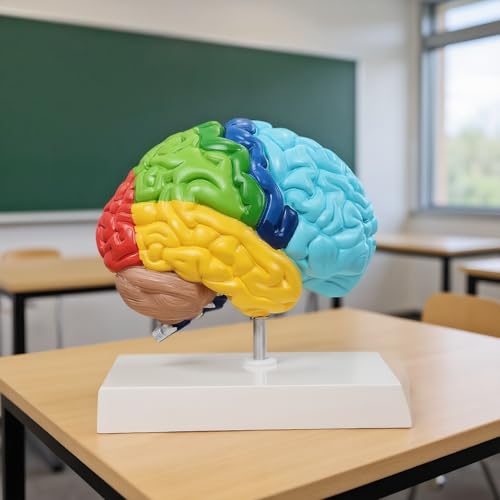
Dranvosk Life Size Human Half Brain Anatomy Model Colored Medical Teaching Tool for Kids Educational Science Kits with Detailed Brain Structure
1:1 Scale Brain Model ,This anatomically accurate human brain model replicates the right hemisphere in precise 1:1 scale,…
As an affiliate, we earn on qualifying purchases.
As an affiliate, we earn on qualifying purchases.
Conclusion
So, as you explore meditation, it’s likely you’re actually shaping your brain. The theory of neuroplasticity suggests your mind rewires itself through consistent practice, strengthening areas related to focus and emotional regulation. Imagine your brain as a sculptor’s clay, constantly moldable. By dedicating time to meditation, you’re not just calming your mind—you’re actively transforming your brain’s structure for better resilience and clarity. It’s a powerful reminder that your mind truly is what you make it.

Smart Ring for Women Men,Fitness Tracker Ring,Heart Rate,Blood Oxygen,Step Tracker,Sleep Tracker,Meditation Assistance,No Subscription Fee,IP68 Waterproof Smart Ring for iphone&Android(Gold 7)
【Fitness tracker Ring】Warchody Smart ring can assist you in recording multidimensional data of various sports with advanced built-in…
As an affiliate, we earn on qualifying purchases.
As an affiliate, we earn on qualifying purchases.

Breathing Lamp Guided Visual Meditation Tool for Mindfulness,Anxiety Relief&Calm Your Mind for Stress&Visual Relaxation and Restful Sleep,478 Seconds Breathing Rate Change 3 Colors,Gift for Kids
Breathing Lamp Function: A mindful breathing lamp is a powerful and effective tool that can help you reduce…
As an affiliate, we earn on qualifying purchases.
As an affiliate, we earn on qualifying purchases.