Using a cast iron teapot lets you embrace the art of slow tea, encouraging mindful brewing and patience. Its ability to retain heat and develop a seasoned patina enhances flavor and aroma, making each cup a ritual of craftsmanship and tradition. These teapots connect you to cultural history and deepen your appreciation for gentle, deliberate techniques. Keep exploring how cast iron teapots transform your tea experience into a meaningful, sensory journey that honors heritage.

Get books, candles and calm essentials delivered free — and shop member deals
- Fast, free delivery on millions of items
- Access to Prime Big Deal Days deals on October 6–7
- Prime Video, Amazon Music and more included
Key Takeaways
- Cast iron teapots promote slow, mindful brewing, enhancing flavor development and cultural appreciation.
- They retain heat longer, supporting multiple gentle infusions and preserving delicate aromas.
- Using cast iron teapots fosters a meditative, ritualistic tea experience emphasizing patience and craftsmanship.
- The craftsmanship and cultural origins deepen connection to traditional tea practices and heritage.
- The seasoned patina over time reflects the brewing journey, adding sentimental and aesthetic value.
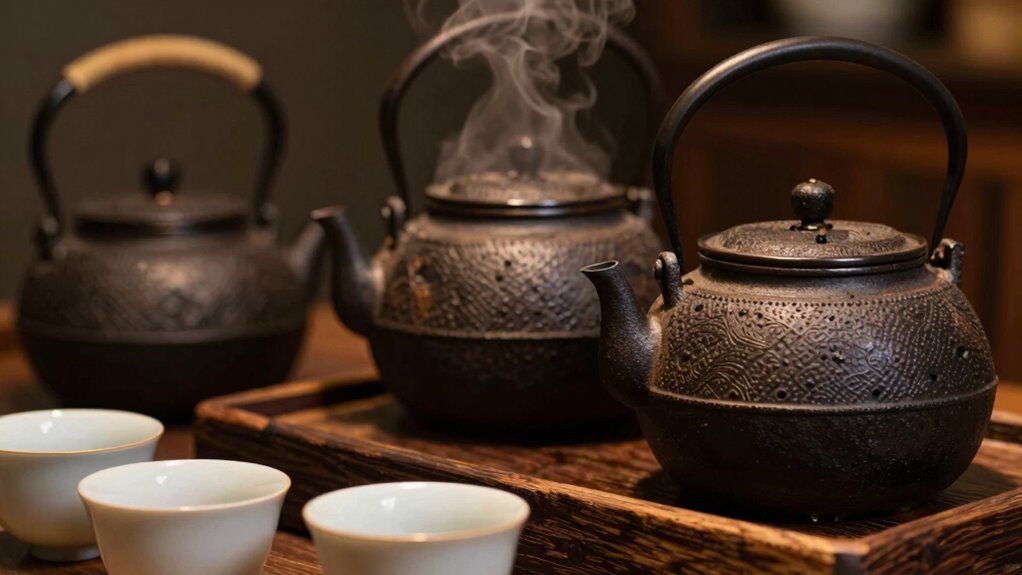
Have you ever wondered why cast iron teapots have endured as a symbol of tradition and craftsmanship? These sturdy vessels are more than just functional objects; they embody a rich history rooted in cultural significance and time-honored tea brewing techniques. When you use a cast iron teapot, you’re participating in centuries of tradition that emphasize patience, respect, and mindfulness in every sip. Their weight and durability mean they can retain heat longer, allowing you to brew tea slowly and thoroughly, unlocking complex flavors that quick steeping can’t achieve. This gentle, deliberate method of brewing is central to the art of slow tea, encouraging you to savor each step rather than rushing through the process.
Cast iron teapots embody patience, tradition, and mindful brewing, unlocking complex flavors through slow, deliberate tea preparation.
The cultural significance of cast iron teapots varies across regions, but they universally symbolize a reverence for tea as a ritual — a moment of pause in a busy day. In Japan, for example, the tetsubin is celebrated not only for its functionality but also for its role in social bonding and meditative practices. In China, traditional cast iron teapots are treasured for their ability to enhance the tea’s taste over time, developing a seasoned patina that reflects your personal brewing journey. These teapots are often passed down through generations, becoming treasured family heirlooms that carry stories and memories. When you brew tea in a cast iron teapot, you’re partaking in a ritual that connects you to these cultural layers, emphasizing respect for tradition and the slow appreciation of flavor.
Using a cast iron teapot also influences your approach to tea brewing techniques. You’re encouraged to take your time, heat water slowly, and steep leaves gently. This measured process enhances the tea’s aroma, flavor, and body, making each cup a mindful experience. Because cast iron retains heat so well, you can prepare multiple infusions without resorting to reheating, allowing you to explore the full depth of your tea leaves. Furthermore, the cultural significance of these vessels deepens your appreciation for the tradition and craftsmanship involved. This awareness fosters a deeper connection with the long history of tea, as it highlights the importance of slow brewing techniques that have been passed down through generations. The process becomes an act of mindfulness, where you focus on the sensory experience—watching the steam rise, feeling the warmth of the pot in your hands, and appreciating the subtle changes as the tea develops. It’s a practice that transforms a simple beverage into a meaningful ritual, rooted in tradition and designed to slow you down. Additionally, understanding the cultural origins of these teapots enhances your sense of appreciation and respect for their craftsmanship and significance, especially as you learn about the traditional manufacturing processes involved.
In embracing the art of slow tea with a cast iron teapot, you’re not just making tea—you’re honoring a cultural heritage and cultivating patience. Every step, from heating the water to pouring the final sip, becomes a deliberate act of mindfulness. This enduring vessel reminds you that good things take time, and the true joy of tea lies in the journey, not just the destination.
As an affiliate, we earn on qualifying purchases.
Frequently Asked Questions
How Do I Prevent Rust on My Cast Iron Teapot?
To prevent rust on your cast iron teapot, regularly dry it thoroughly after use and avoid leaving water inside. Use proper seasoning techniques to create a natural non-stick surface, which helps with rust prevention. Apply a light coat of oil after drying, especially before storage. Keep it in a dry place and avoid sudden temperature changes. These habits guarantee your teapot stays rust-free and lasts for years, enhancing your slow tea experience.
Can Cast Iron Teapots Be Used for Brewing Herbal Infusions?
Yes, you can use cast iron teapots for brewing herbal infusions, but you should consider herbal infusion safety and teapot material compatibility. Cast iron can absorb strong herbal flavors over time, which might affect future brews. Make certain the herbs aren’t corrosive or overly acidic, as they could damage the teapot. Always rinse thoroughly after use, and avoid brewing highly acidic herbs to maintain your teapot’s longevity and safety.
What Is the Ideal Cleaning Process for Cast Iron Teapots?
To clean your cast iron teapot, rinse it with warm water after each use, avoiding soap to protect the seasoning. Dry it thoroughly to prevent rust, and occasionally re-season by heating it gently and applying a thin layer of oil. Proper cleaning helps maintain tea flavor retention and preserves the teapot’s seasoning, ensuring your tea always tastes fresh and rich. Remember, gentle care keeps your teapot in excellent condition.
Are Cast Iron Teapots Suitable for All Types of Tea?
Are you wondering if cast iron teapots suit all tea types? They work well with black, oolong, and herbal teas, thanks to their excellent heat retention that enhances flavor extraction. However, delicate green or white teas may lose their subtle nuances in such a robust vessel. So, while cast iron teapots are versatile, you might prefer a different material for more delicate teas to preserve their unique tea flavor.
How Long Do Cast Iron Teapots Typically Last With Proper Care?
With proper care, your cast iron teapot can last for decades, making it a cherished part of your tea ceremony and cultural significance. Regular cleaning and drying prevent rust, while avoiding soap maintains the coating. As you continue your slow tea rituals, your teapot becomes more seasoned, enhancing flavor over time. Its durability ensures it remains a beautiful, functional piece that carries tradition through generations.
Japanese tetsubin cast iron teapot
As an affiliate, we earn on qualifying purchases.
As an affiliate, we earn on qualifying purchases.
Conclusion
Once you embrace the ritual of brewing with a cast iron teapot, you’ll find yourself savoring each sip like a true connoisseur. It’s more than just tea; it’s an experience, a mindful pause in your busy day. Think of it as your own personal renaissance, where patience and tradition meet in a perfect blend. So, slow down, brew with care, and enjoy the timeless art of tea—because in this modern world, some things are worth the wait.
cast iron tea kettle with infuser
As an affiliate, we earn on qualifying purchases.
As an affiliate, we earn on qualifying purchases.
traditional cast iron teapot for loose leaf tea
As an affiliate, we earn on qualifying purchases.
As an affiliate, we earn on qualifying purchases.
Halloween Picks
halloween
As an affiliate, we earn on qualifying purchases.