TL;DR
Crystal healing gift sets are collections of stones and sometimes accessories or guides, sold for spiritual practices, meditation, décor, or gifting. Before buying, check the actual stones, their sizes, care instructions, and sourcing details; treat healing claims as spiritual beliefs, since crystals have not been shown to treat medical conditions.
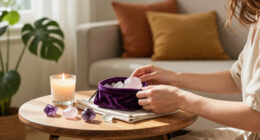
A velvet pouch can make a handful of stones feel like a small ceremony. But the words “crystal healing gift set” don’t tell you exactly what’s inside, how big the stones are, or whether the seller’s claims are grounded in fact.

Turn your quiet moments into listening time
- Thousands of audiobooks, podcasts and originals
- Listen on your phone, tablet or Echo — also offline
- Cancel anytime
These sets are collections of stones marketed for spiritual practices, meditation, décor, or gifting. You’ll learn how to read the contents, weigh spiritual meanings against scientific evidence, and choose a set that suits its recipient. A little attention to labels and care instructions can make the gift feel personal without promising more than a stone can deliver.
Read the itemized contents and dimensions; a theme name or stone count doesn’t describe what you’ll receive.
Treat crystal meanings as beliefs that vary across traditions, not as universal facts or medical evidence.
Compare mineral names, care notes, packaging, and sourcing details before comparing prices.
Choose the theme and presentation for the recipient’s interests, and avoid promises of health or relationship outcomes.
Follow stone-specific care advice; don’t ingest stones or dust, or assume every crystal belongs in water or sunlight.
Know What You’re Actually Giving
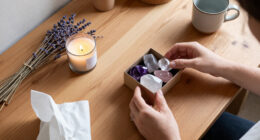
A crystal healing gift set is a bundle of stones, often paired with a pouch, guide, card, stand, or other accessory, sold for personal rituals, meditation, décor, or gifting. The contents vary: one box may hold four tiny tumbled stones, while another includes a larger specimen and a booklet. The theme alone doesn’t tell you what you’ll unwrap.
Common stones include amethyst, rose quartz, clear quartz, citrine, black tourmaline, and aventurine. Sellers may connect them with ideas such as calm, love, confidence, or focus, but those meanings vary between sellers and spiritual traditions. There is no single standardized dictionary that makes one stone’s meaning universal.
Think of a themed set like a recipe kit: the label might say “comforting supper,” but you still want to know which ingredients and how much you’ll get. That information affects whether the gift suits the recipient, how they might use it, and whether the stones need special care. For instance, if your friend likes purple and enjoys quiet meditation, an amethyst set with a readable guide may suit them better than a large assortment chosen only for its “abundance” label.
Before buying, check the itemized contents and stone dimensions. A listing that says “seven crystals” doesn’t tell you whether each piece is a thumb-sized pebble or a grain-sized chip. Size changes the feel and practical use of the gift: small stones may be easy to carry but harder to handle or keep track of, while larger specimens can be more striking and may cost more. Clear photos and measurements help you picture the actual gift and judge whether the price matches what’s included.
Products Worth Considering

Coway Airmega 250S WiFi Air Purifier for Large Rooms

Blueair Blue Pure 211i Max Air Purifier for Large Rooms

Oral-B iO7 Rechargeable Electric Toothbrush, Deep Clean + Protect, White
As an affiliate, we earn on qualifying purchases.
Separate Spiritual Meaning From Medical Claims
Crystal meanings belong to spiritual beliefs and personal practice; reliable scientific evidence has not established that crystals diagnose, prevent, or treat illness. You can give someone a stone as a meaningful reminder, a focal point for reflection, or a beautiful object without presenting it as medicine.
That distinction can matter in a real moment. Imagine your sister is stressed and enjoys a five-minute breathing routine before work. A smooth rose quartz on her desk might remind her to pause and breathe. It shouldn’t be described as a treatment for anxiety or a substitute for medical care if she needs support. How a gift is framed can shape whether it feels like a kind invitation or an expectation to rely on a stone for help it cannot provide.
A crystal can work like a bookmark: the object helps you return to an intention, but it doesn’t write the story for you. Some people find ritual objects comforting or useful for reflection; their experience can be personally meaningful even when a specific healing effect hasn’t been demonstrated. That leaves room to respect someone’s practice while being clear about what is belief, what is personal experience, and what has scientific support.
Read product descriptions for specific, modest language. “Many people associate this stone with calm” describes a belief. “This crystal cures insomnia” promises a medical outcome without reliable support. Stronger claims can make a set seem more valuable than its contents warrant and may mislead someone looking for help. If you’re gifting a set to someone who is ill, focus on its beauty or personal significance, and avoid suggesting they delay or replace professional care.
Compare the Contents Before You Compare Prices
To judge a crystal set’s price, compare its stone sizes, labels, guide, packaging, and sourcing details, rather than counting pieces alone. A set with fewer well-described stones may be more useful than one with a dozen unlabeled chips. The details help you estimate what the price buys and whether the set will be enjoyable to identify and care for after it’s opened.
Imagine two beginner boxes at the same price. One lists five stones by mineral name, gives approximate dimensions, and includes a care card; the other advertises “12 powerful crystals” without naming them. The first makes it easier to understand the gift, follow safe care advice, and decide whether the stones fit the recipient’s interests. The second offers more pieces on paper, but uncertainty about their identity and quality makes the price harder to evaluate.
| What to compare | Why it matters | Useful listing detail |
|---|---|---|
| Stones and quantity | Theme names don’t reveal the actual minerals. | Mineral names and a contents list |
| Size and finish | A photo can make small pieces look large. | Approximate dimensions and clear images |
| Guide and labels | They help a new owner identify each item. | Readable descriptions and care notes |
| Origin and treatment | Vague claims don’t explain how stones were obtained or altered. | Specific supplier and treatment disclosures |
Terms such as “natural,” “untreated,” “authentic,” and “ethically sourced” don’t all mean the same thing. A label is not proof of a sourcing standard. Look for details about origin, treatments, and supplier practices, and remember that documentation varies between sellers. More detail gives you a firmer basis for comparing products, though it may not answer every question about a stone’s history.
Choose a Set That Fits the Person, Not the Promise
The best crystal gift set is one that fits the recipient’s interests, taste, and comfort with spiritual language. A beginner may enjoy familiar stones and straightforward labels; an experienced collector may prefer one unusual specimen with clear mineral information. The right choice depends on the person, not a universal ranking of crystals. Matching their interests also helps the set feel like a considered gift rather than a suggestion that they should adopt a belief or practice.
Picture your coworker who keeps a small meditation corner: a few labeled stones, a tidy pouch, and a short booklet might fit neatly beside their candle. Your cousin who loves geology may prefer a specimen with its mineral name and origin described, without claims that it changes their luck. The same box won’t suit both people equally because one may value a ritual prompt while the other wants useful information about the mineral.
Presentation counts, too. A snug box, secure wrapping, and a guide that explains what each stone is can make the unboxing feel thoughtful and help prevent pieces from getting lost. Check whether the set includes tiny pieces that could be misplaced, especially if the recipient has young children or curious pets at home; a beautiful assortment may be less practical if it needs constant supervision.
Use this short checklist before you order:
- Match the theme to something the person already enjoys, such as meditation, collecting, or home décor.
- Read the contents list and check stone names, quantities, and dimensions.
- Scan the claims for guaranteed emotional, health, or relationship outcomes.
- Check care guidance and whether the packaging protects delicate pieces.
A set that passes these checks can feel personal without pressuring the recipient to accept beliefs they don’t share. It also gives them enough information to decide how they want to display or use the stones.
Keep Stones Safe With Simple Care
Crystal care depends on the specific mineral: some stones can fade in bright sun, and some can be damaged or dissolve in water. There is no one care routine that suits every piece. Keep the seller’s stone-by-stone instructions with the set, and avoid harsh cleaners or soaking a stone when its identity is unclear. The tradeoff is simple: a quick rinse or sunny windowsill may seem convenient, but checking first can prevent damage that is difficult or impossible to reverse.
That small card matters when a recipient wants to “cleanse” a new stone. Some practitioners use sound, smoke, moonlight, or simply place a stone on a surface as a spiritual practice. These methods aren’t scientific requirements. Water and sunlight can damage certain minerals, so a gentle, dry method is the safer default when you don’t know what the stone can tolerate. A care guide lets the recipient choose a ritual with a clearer sense of both its meaning and its practical limits.
A set is generally a decorative object when handled appropriately, but don’t ingest stones or dust, and don’t put crystals in drinking water unless you know the material and its safety. For example, a polished pebble beside a bedside lamp is a different use from dropping an unidentified stone into a water bottle, where the material could contact something meant for consumption. Keep small pieces away from young children and pets, who may swallow them.
If a listing doesn’t identify a mineral or explain its care, ask the seller before using water or direct sunlight. Without that information, the recipient has to guess, which can risk damage and make the gift less useful. A well-made gift guide gives the new owner something practical: enough detail to enjoy the stones without guessing at their properties or handling.
Frequently Asked Questions
What is usually included in a crystal healing gift set?
Many sets include several stones, sometimes with a pouch, card, booklet, stand, or cleansing accessory. Check the itemized list and stone dimensions; “seven crystals” alone doesn’t tell you the size or identity of each piece.
Which crystals are best for a beginner?
Beginner sets often feature familiar stones such as amethyst, rose quartz, and clear quartz. “Best” depends on the person’s interests and intended use, so a clearly labeled set may be more helpful than a larger assortment.
Do crystals have proven healing effects?
Reliable scientific evidence has not established that crystals treat medical conditions or produce specific healing effects. People may still use them as meaningful objects or reminders during personal rituals, but they should not replace medical care.
How can I tell whether a crystal is real?
Appearance alone may not identify a stone: natural patterns vary, and some products may be dyed, heat-treated, coated, or made from glass. Look for specific mineral names and treatment disclosures; for a valuable specimen, ask a qualified gemologist.
Can all crystals go in water or sunlight?
No. Water can damage or dissolve some minerals, and sunlight can fade others. Check guidance for the specific stone and avoid soaking or sunning unidentified pieces.
Are crystal meanings universal?
No. Meanings differ among sellers, practitioners, and spiritual traditions. A guide should present them as associations or beliefs, rather than fixed facts shared by everyone.
Conclusion
Choose a crystal healing gift set for the stones it actually contains, the care it explains, and the meaning it may hold for its recipient. Let the gift invite a quiet pause or brighten a shelf; don’t ask it to promise a cure or change someone’s life.
A clear label and a thoughtful note can turn a small stone into a reminder the recipient chooses for themselves.