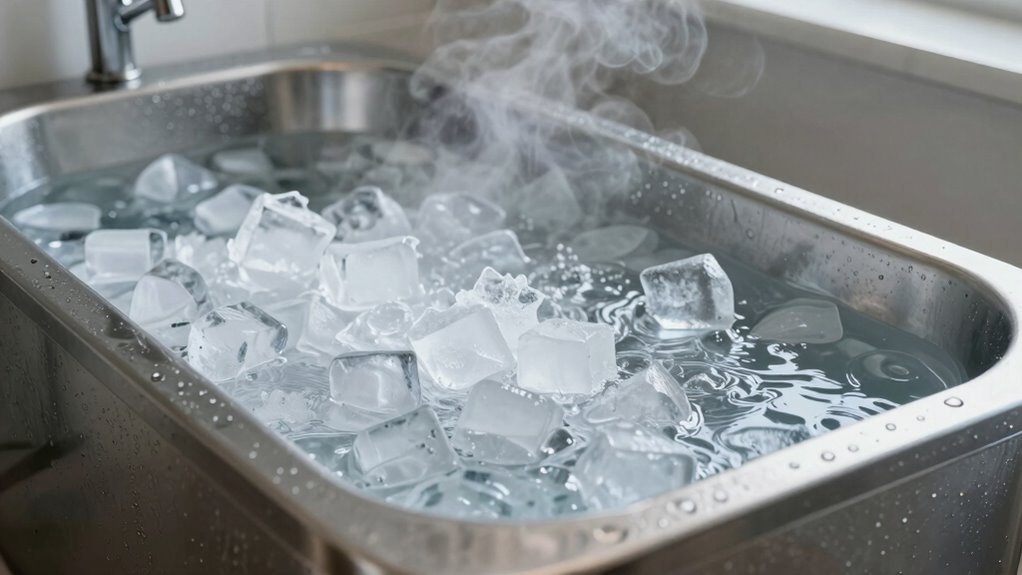

Ice baths and cold plunges trigger real physiological changes, boosting your recovery and resilience. They cause your body to shiver, increase heart rate, and produce adrenaline, which improve circulation and reduce inflammation. Mentally, they help build grit and calmness under pressure. An ice bath offers a more intense challenge, while a cold plunge is gentler but still effective. Keep exploring to discover how choosing the right method can maximize your health benefits.

Turn your quiet moments into listening time
- Thousands of audiobooks, podcasts and originals
- Listen on your phone, tablet or Echo — also offline
- Cancel anytime
Key Takeaways
- Both methods stimulate physiological reactions like shivering, increased circulation, and adrenaline, but ice baths are more intense.
- Ice baths induce greater mental resilience and discomfort management compared to cold plunges.
- Cold plunges promote gentler recovery and resilience benefits, suitable for gradual adaptation.
- Regular exposure enhances immune function, reduces inflammation, and improves mood in both techniques.
- Choice depends on tolerance, goals, and desired intensity of recovery and mental challenge.
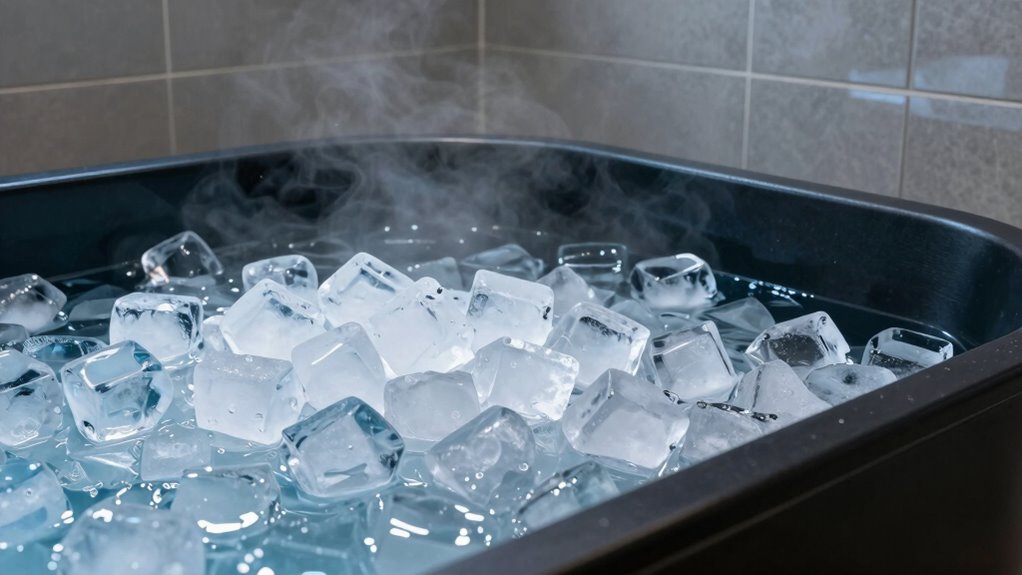
When you step into an ice bath or cold plunge, your body reacts instinctively—shivering, increased heart rate, and a surge of adrenaline. Over time, consistently exposing yourself to cold can strengthen your mental toughness, teaching you to manage discomfort and stay calm under pressure. This mental shift is a key part of recovery techniques that extend beyond physical healing, fostering resilience that can translate into better focus and emotional stability in everyday life. The challenge of enduring cold, especially in an ice bath, can serve as a form of mindfulness, helping you develop discipline and a sense of control. Additionally, the use of cold exposure as a recovery method has been supported by research showing its potential to enhance your body’s adaptability and stress response. The physiological effects of cold exposure also include increased production of endorphins, which can improve your overall mood and mental well-being. Incorporating cold therapy into your routine can also support your immune system and overall health. While both techniques influence recovery and mental resilience, your choice might come down to your goals and tolerance. If you’re seeking a more intense recovery and mental challenge, an ice bath may be the way to go. If you prefer a gentler approach that still boosts your resilience, a cold plunge might suit you better. Either way, consistent exposure helps your body adapt—improving circulation, reducing inflammation, and sharpening your mind. The key is listening to your body, gradually increasing exposure, and making cold therapy part of a broader recovery routine that enhances both physical healing and mental strength.
As an affiliate, we earn on qualifying purchases.
Frequently Asked Questions
How Long Should I Stay in an Ice Bath or Cold Plunge?
You should aim for an immersion timing of about 10 to 15 minutes in an ice bath or cold plunge. Stick to these duration guidelines to avoid hypothermia or skin damage. Keep your body temperature in check and listen to how your body responds. If you start feeling numb or uncomfortable, it’s best to get out sooner. Proper duration helps optimize recovery without risking adverse effects.
Are There Health Risks Associated With Cold Immersion Therapy?
An ounce of prevention is worth a pound of cure. Cold immersion therapy can pose health risks like potential hypothermia if you stay in too long or if the water’s too cold. You might also experience skin irritation or numbness. Always listen to your body, limit your exposure time, and consult a healthcare professional if you have underlying health conditions to minimize these risks.
Can Cold Exposure Help With Mental Health or Mood?
Cold exposure can boost your mental health by enhancing mental clarity and emotional resilience. When you immerse in cold water, your body releases endorphins, which lift your mood and reduce stress. It also trains your mind to stay calm under pressure, strengthening emotional resilience. Regular cold exposure can help you better manage anxiety and depression, making it a valuable tool for improving overall mental well-being.
What’s the Ideal Temperature Range for Ice Baths and Cold Plunges?
You should aim for a temperature range of 50-59°F (10-15°C) for ice baths and cold plunges. This helps with temperature regulation without risking frostbite or hypothermia. Always follow safety precautions, such as limiting immersion time to 10-15 minutes and monitoring how your body responds. Staying within this range guarantees you benefit from cold exposure while minimizing health risks.
How Often Should I Incorporate Cold Immersion Into My Routine?
You should incorporate cold immersion into your routine 2 to 3 times a week to maximize hydrotherapy benefits without overdoing it. Regular cold exposure can improve recovery, reduce inflammation, and boost mental clarity. Don’t fall for cold exposure myths that suggest daily cold baths are necessary; moderation is key. Listen to your body, gradually increase exposure, and consult a professional if you have health concerns to safely enjoy the benefits.
As an affiliate, we earn on qualifying purchases.
Conclusion
So, whether you prefer an ice bath or a cold plunge, both can boost recovery and reduce inflammation. Notably, studies show that spending just 10-15 minutes in cold water can decrease muscle soreness by up to 40%. Keep in mind, consistency matters more than duration, and listening to your body is key. So, give it a try and see how these chilly dips help you perform and recover better!
As an affiliate, we earn on qualifying purchases.
As an affiliate, we earn on qualifying purchases.
Halloween Picks
halloween
As an affiliate, we earn on qualifying purchases.