
Rituals are essential in your spiritual practice because they create a structured way for you to connect with the divine and your inner self. They serve as a bridge between the physical and spiritual worlds, turning beliefs into meaningful actions. Symbols and gestures deepen your understanding, making your spiritual journey more tangible. Participating in rituals also builds a sense of community and belonging. If you explore further, you’ll discover how these practices can enrich your spiritual life even more.
Key Takeaways
- Rituals create a structured connection between the physical and spiritual worlds, fostering devotion and introspection.
- They symbolize core spiritual principles, deepening understanding and internalization of divine or inner truths.
- Rituals reinforce personal beliefs and values through repeated, meaningful actions, strengthening spiritual commitment.
- Participating in shared rituals fosters community bonds, collective identity, and cultural heritage.
- Rituals imbue the spiritual journey with purpose, providing a tangible way to honor the divine and express inner truths.
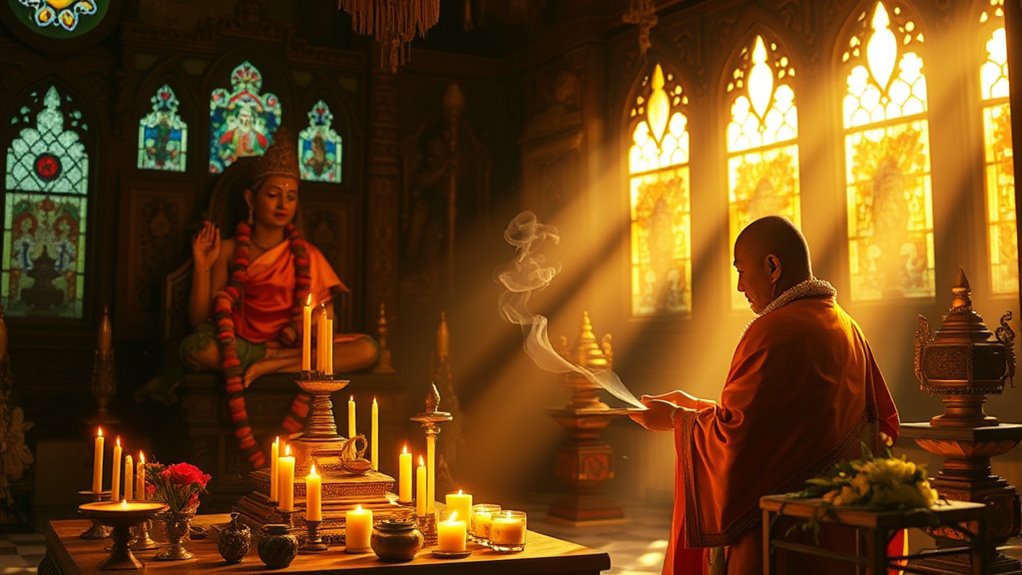
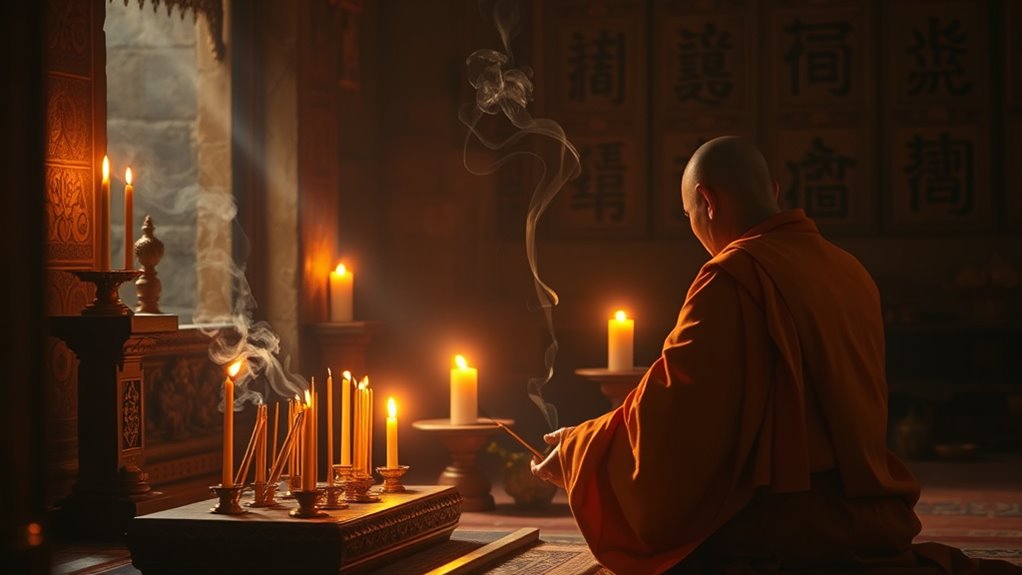
Rituals hold an essential place in spiritual practice because they create a structured way to connect with the divine, oneself, or the universe. They serve as a bridge between the physical and spiritual worlds, offering a tangible method to express devotion, gratitude, or introspection. Through rituals, you establish a meaningful rhythm that anchors your spiritual journey, turning abstract beliefs into concrete actions. This structure helps focus your mind, deepen your awareness, and foster a sense of purpose. When you perform a ritual, whether it’s lighting a candle, chanting a mantra, or offering a prayer, you engage in a deliberate act that reinforces your spiritual intentions. This act becomes more than just routine; it transforms into a powerful symbol of your commitment and reverence.
Rituals create meaningful structure, connecting us to the divine and reinforcing our spiritual intentions through symbolic acts.
One of the most compelling aspects of rituals is their symbolic significance. Every gesture, object, and word involved carries meaning beyond its surface. For example, lighting a candle might symbolize illumination, hope, or enlightenment, while a specific prayer could represent surrender or gratitude. These symbols serve as visual and emotional anchors, helping you internalize spiritual truths and values. They act as reminders of your beliefs and aspirations, making the intangible aspects of spirituality accessible and memorable. Over time, these symbols deepen your understanding of spiritual principles, reinforcing your connection to the divine or your inner self. The significance of these symbols often becomes intertwined with personal experiences, creating a rich tapestry of meaning that sustains your practice through challenges and doubts.
Beyond individual benefits, rituals also play a crucial role in community bonding. Participating in shared rituals fosters a sense of belonging and collective identity. When you join others in ceremony, you tap into a collective energy that amplifies your spiritual experience. The shared words, actions, and symbols create bonds rooted in common faith or tradition, strengthening communal ties. This sense of unity offers support, comfort, and inspiration, reminding you that you’re part of something larger than yourself. Community rituals often serve as milestones—celebrations, rites of passage, or seasonal observances—that reinforce cultural heritage and collective values. They help you feel connected not only to a higher power but also to the people who walk the same spiritual path, creating a network of shared devotion and understanding. Recognizing the role of emotional support in spiritual communities can deepen your connection and resilience.
In essence, rituals are fundamental to spiritual practice because they imbue your journey with meaning, connection, and purpose. Their symbolic significance helps you internalize and live your values, while community bonding ensures you are never isolated in your spiritual pursuits. These shared acts forge a profound sense of belonging and continuity, making your spiritual path both personal and communal. Through rituals, you find a structured, meaningful way to honor the divine, express your inner truths, and strengthen your bonds with others, enriching your spiritual life in countless ways.

24 Pack Multicolor Spell Chime Candles – Premium Mini Unscented Taper Candles for Rituals, Prayer, Meditation, Altar, Spells – 4" Tall – Ideal for Witches & Spiritual Practices
This 24 Pack of Multicolor Spell Chime Candles is your essential toolkit for enhancing energy, intention, and mindfulness—perfect…
As an affiliate, we earn on qualifying purchases.
As an affiliate, we earn on qualifying purchases.
Frequently Asked Questions
How Do Rituals Vary Across Different Spiritual Traditions?
You’ll notice that rituals vary widely across spiritual traditions through symbolic gestures and ritual symbolism. For example, some may involve chanting, while others use specific objects or gestures to represent spiritual concepts. Each tradition tailors these rituals to reflect its unique beliefs, emphasizing particular symbols or actions. By understanding these differences, you can appreciate how each tradition uses ritual symbolism to deepen spiritual connection and convey meaningful teachings.
Can Rituals Be Personalized to Suit Individual Spiritual Paths?
Like a tailor crafting a unique garment, you can personalize rituals to fit your individual spiritual path. These personalized rituals become your sacred map, guiding your inner journey with meaningful symbols and practices that resonate deeply. By customizing rituals, you infuse your spiritual practice with authenticity and intimacy, transforming simple acts into powerful tools that nurture your soul and align with your personal beliefs and life experiences.
What Is the Psychological Impact of Performing Rituals Regularly?
Performing rituals regularly boosts your psychological well-being by enhancing mindfulness and reducing stress. You become more aware of your thoughts and feelings, cultivating a sense of calm and focus. These consistent practices help you manage anxiety and emotional turbulence, creating a stable mental state. As you engage in rituals, you build a comforting routine that promotes relaxation and inner peace, ultimately strengthening your overall mental resilience and emotional health.
Are Rituals Necessary for Achieving Spiritual Enlightenment?
Rituals aren’t a magic wand, but they serve as stepping stones on your journey to enlightenment. You don’t need them to reach your spiritual goals, but ritual symbolism and spiritual discipline can deepen your understanding and focus. They act like a compass, guiding your mind and heart toward clarity and growth, making your quest more intentional and meaningful. Embrace them as tools, not rules, to enhance your spiritual path.
How Do Cultural Differences Influence the Significance of Rituals?
Cultural differences greatly influence how you perceive the significance of rituals through cultural symbolism and societal customs. In some societies, rituals are essential for community bonding and spiritual growth, while others see fewer symbolic meanings. You’ll find that these traditions reflect shared values and history, shaping your understanding of spirituality. Embracing diverse cultural rituals broadens your perspective, helping you appreciate how societal customs deepen your spiritual journey.
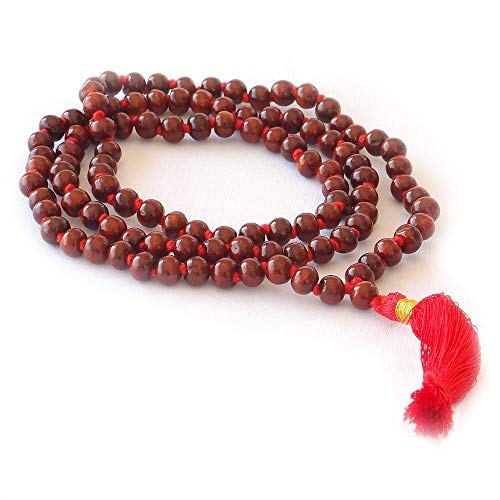
HealthAndYoga™ Rose Wood Mala (108 + 1 Beads with Tassel) & Velvet Bag – Hand Knotted Rosary for Mantra Chanting, Meditation – Invokes Vitality & Courage, Improves Skin Health, Influences Heart Chakra
SMOOTH ROUND BEADS – hand knotted by artisans in India. Bead color – ruddy brown; Size 7-8mm. Each…
As an affiliate, we earn on qualifying purchases.
As an affiliate, we earn on qualifying purchases.
Conclusion
Remember, rituals are the heartbeat of your spiritual journey—they anchor you, connect you, and transform the ordinary into the sacred. Without them, your practice risks becoming a fleeting moment rather than a lasting awakening. Embrace these sacred acts like guiding stars in your night sky, illuminating your path with purpose and devotion. Let rituals be the bridge that turns your daily moments into timeless treasures, fueling your soul’s eternal quest.

ODOXIA Floor Table for Tea Rituals | Altar Table for Meditation, Mindfulness & More | Low Japanese Floor Platform Chabudai Style | for Sitting On The Floor | Stable Wood Folding Design | Journaling
【CREATE YOUR OWN TEA RITUAL】 Use this tea table (23*13*8.5 inches) to prepare and serve tea while seated…
As an affiliate, we earn on qualifying purchases.
As an affiliate, we earn on qualifying purchases.
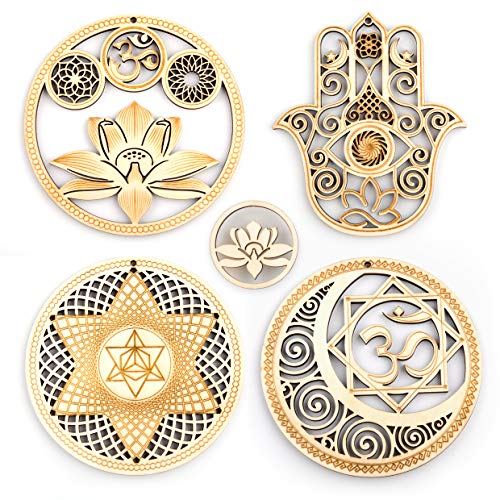
5.31" Sacred Geometry Wall Art 4 PCS Set, (Sacred Lotus, Hamsa Hand, Soul Star, Union Sun Moon) Crystal Grid Meditation Chakra Wooden Wall Art Yoga Decor Spiritual Gifts
Positive Energy & Vieration: This fine artwork of set 4 sacred geometry wall decor will turn your home…
As an affiliate, we earn on qualifying purchases.
As an affiliate, we earn on qualifying purchases.