TL;DR

Turn your quiet moments into listening time
- Thousands of audiobooks, podcasts and originals
- Listen on your phone, tablet or Echo — also offline
- Cancel anytime
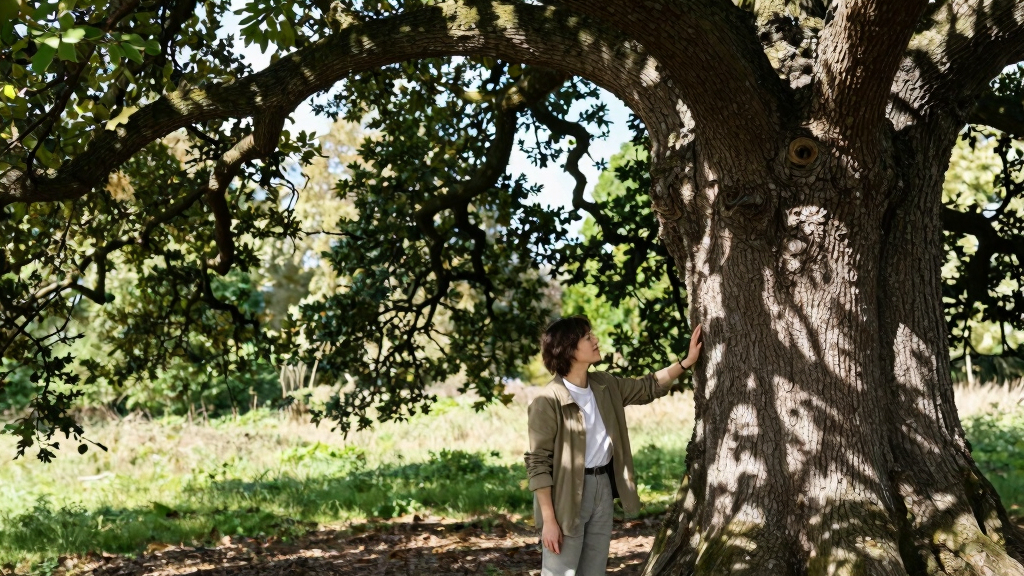
The Major Oak, a 1,200-year-old tree with ties to Robin Hood, has been declared dead after it failed to leaf this spring. Conservationists cite age, past interventions, and climate stress as causes. The tree’s legacy continues through offspring and cultural significance.
The Major Oak, a 1,200-year-old tree in Sherwood Forest, has been officially declared dead by conservation authorities after it failed to produce leaves this spring, marking the end of its long-standing presence in the landscape and its cultural association with Robin Hood.
Managed by the Royal Society for the Protection of Birds (RSPB) on behalf of Nottinghamshire County Council, the Major Oak was known for its massive size and historical significance. Its trunk circumference was approximately 32 feet, and its crown spanned 92 feet. Despite efforts to preserve it, the tree showed signs of decline in recent years, including minimal leaf growth last year and visible deterioration.
Experts attribute the decline to a combination of factors, including past structural interventions—such as support props, metal chains, and infill with concrete—soil compaction from millions of visitors, and environmental stresses like heatwaves and droughts linked to climate change. Soil tests revealed the roots were weaker and the surrounding soil was extremely hard and lacking in vitality. Conservationists confirmed that the tree’s condition had become irreparable, leading to its declaration as dead this week.
Cultural and Ecological Impact of the Tree’s Decline
The death of the Major Oak marks the loss of a symbol deeply embedded in British folklore and history, linked to the Robin Hood legend. Ecologically, the tree’s decay will provide habitat and nutrients for local wildlife, continuing its ecological role. The event also underscores the vulnerabilities of ancient trees amid climate change and past conservation practices that may have inadvertently hastened decline.
As an affiliate, we earn on qualifying purchases.
Historical and Conservation Background of the Major Oak
The Major Oak has stood in Sherwood Forest for approximately 1,200 years, surviving periods of deforestation and conservation efforts. It gained recognition in 2014 as Tree of the Year by the Woodland Trust and was included in the Ancient Tree Inventory. Historically, it escaped being cut down for shipbuilding in the 18th and 19th centuries, unlike many other local oaks. Over the past century, it received support structures and infill treatments that likely compromised its natural aging process.
Recent soil and structural assessments revealed significant deterioration, with experts noting that the damage caused by past interventions and environmental factors rendered the tree beyond saving. The tree’s decline has been gradual, with authorities monitoring its health closely in recent years.
“The damage was already too deeply entrenched to fully reverse.”
— Simon Parfey, soil microbiology expert
tree planting and propagation kit
As an affiliate, we earn on qualifying purchases.
As an affiliate, we earn on qualifying purchases.
Remaining Questions About the Tree’s Future and Legacy
While the tree is now presumed dead, it is not yet confirmed whether it will eventually collapse or how long it will stand. There is also ongoing research into the genetic legacy of the Major Oak, including efforts to propagate new saplings from acorns and cuttings. The precise ecological impact of its decay process and how it will influence the surrounding habitat remains under study.
As an affiliate, we earn on qualifying purchases.
Next Steps for Conservation and Legacy Preservation
Conservationists plan to continue monitoring the remaining structure of the Major Oak to ensure safety and preserve its cultural significance. Efforts are underway to propagate saplings from its genetic material, with plans to plant them locally and internationally. Researchers will also study the soil and ecological changes resulting from the tree’s decay, aiming to better protect other ancient oaks in the UK. The site will remain accessible to visitors, with interpretive signage highlighting the tree’s history and ecological role.
As an affiliate, we earn on qualifying purchases.
Key Questions
Why is the Major Oak considered important?
The Major Oak is a historic and cultural symbol linked to Robin Hood, and it is one of the oldest and most famous trees in England, representing ecological and heritage value.
What caused the tree’s decline?
Multiple factors contributed, including past structural interventions, soil compaction from visitors, and environmental stresses like drought and heatwaves caused by climate change.
Will the Major Oak be replaced or preserved in some way?
While the original tree is now presumed dead, efforts are underway to propagate new saplings from its genetic material, ensuring its legacy continues.
What will happen to the tree now that it is dead?
The tree will gradually decompose, providing habitat and nutrients for local wildlife, and its remains will be monitored for safety and ecological impact.
How does this event affect Sherwood Forest’s history?
The death of the Major Oak marks the end of an era but also emphasizes the importance of conservation and understanding the impacts of aging and environmental change on ancient trees.
Source: Smithsonian
Fall Picks
fall essentials
As an affiliate, we earn on qualifying purchases.