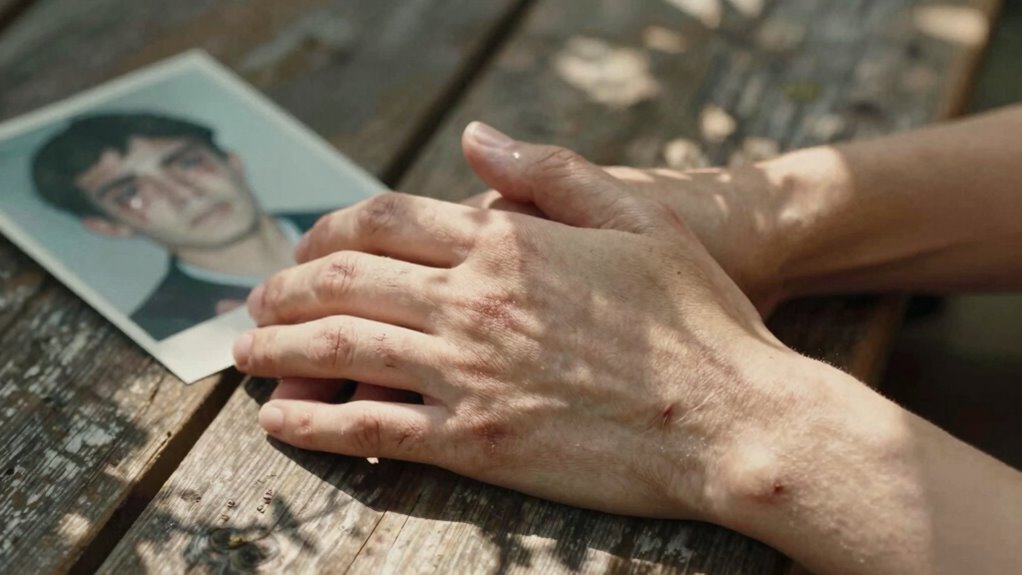

Twin flame triggers often reveal deep, unresolved wounds from childhood or past relationships that still influence your reactions today. When your partner’s words or actions evoke strong feelings of abandonment, dismissal, or misunderstanding, it’s a sign these wounds are surfacing. These triggers are opportunities to pause and reflect, helping you understand your unhealed pain. If you stay aware, you’ll uncover how past hurts shape your emotions—and discover ways to heal and grow together.

Turn your quiet moments into listening time
- Thousands of audiobooks, podcasts and originals
- Listen on your phone, tablet or Echo — also offline
- Cancel anytime
Key Takeaways
- Triggered reactions often reveal deep-seated childhood abandonment or rejection wounds needing healing.
- Feelings of unworthiness in twin flame interactions reflect unresolved self-esteem issues from the past.
- Reactions to perceived dismissiveness or criticism may point to past experiences of misunderstanding or dismissal.
- Emotional upheaval during twin flame encounters often uncovers hidden vulnerabilities needing compassion.
- Persistent triggers indicate areas where inner wounds haven’t been fully acknowledged or healed.
Your emotional vulnerability is the doorway to understanding these triggers. When you’re open enough to feel deeply, you start to notice patterns that repeat in your relationship—patterns rooted in past experiences. Maybe certain words or actions remind you of moments when you felt abandoned, dismissed, or misunderstood as a child. These memories resurface unexpectedly, making you feel exposed and raw. That’s when you realize that your reactions aren’t just about your twin flame; they’re about your inner childhood wounds that haven’t been fully processed.
It’s common to feel triggered by things your twin says or does that seem insignificant to others. But to you, they might feel like a personal attack or rejection, bringing up feelings of unworthiness. These moments aren’t just about the present; they’re echoes from your past, showing where your emotional defenses are weak. Recognizing this connection helps you understand that your triggers are opportunities for growth. Instead of reacting defensively, you can choose to pause and ask yourself what unresolved issue is surfacing. This awareness allows you to approach your emotional vulnerability with compassion, rather than shame.
Healing these wounds requires you to revisit your inner childhood with kindness. It’s about acknowledging the pain you experienced and giving yourself permission to feel it fully. When you do this, you create space for new, healthier beliefs about yourself. Your twin flame’s triggers act as mirrors, reflecting parts of you that need love and understanding. When you stop resisting these uncomfortable feelings and instead lean into them, you begin to dissolve the old wounds. This process isn’t easy, but it’s essential for transforming your relationship and deepening your self-awareness. Recognizing emotional triggers as reflections of past wounds can help you navigate these moments with greater clarity and patience.
Additionally, understanding how visual perception influences your emotional responses can deepen your awareness of these triggers, helping you see beyond surface reactions. When you become aware of how your perceptions filter your experiences, you can develop a more mindful perspective that allows for greater compassion and insight. When you embrace these triggers with compassion, you open the door to true healing, allowing you to move beyond past pain and toward a more authentic, compassionate connection with yourself and your twin flame.
emotional healing journal for childhood wounds
As an affiliate, we earn on qualifying purchases.
As an affiliate, we earn on qualifying purchases.
Frequently Asked Questions
How Can I Differentiate Between Triggers and Genuine Relationship Issues?
You can differentiate between triggers and genuine relationship issues by observing your emotional responses and behavioral patterns. If certain reactions, like anger or fear, repeatedly surface during specific situations, they likely signal unresolved wounds. Genuine issues usually involve consistent problems with communication or trust, whereas triggers stem from deep-seated emotional responses. Recognizing these patterns helps you understand whether you’re addressing core problems or just reacting to unresolved emotional triggers.
Are Twin Flame Triggers Always Linked to Childhood Trauma?
Twin flame triggers aren’t always linked to childhood trauma, but many are rooted in childhood memories and emotional scars. When your partner’s actions evoke intense reactions, it often points to unresolved wounds from the past. These triggers reveal where you still carry pain or insecurities. Recognizing this helps you understand that some triggers are opportunities for healing, allowing you to address deep-seated issues and move toward emotional growth.
Can Triggers Indicate a Soulmate Rather Than a Twin Flame?
Triggers can sometimes indicate a soulmate rather than a twin flame because soulmate signs often involve smoother, more harmonious connections. However, trigger significance in twin flames usually points to deep unresolved wounds needing healing. If your triggers feel intense and emotionally charged, it’s more likely they’re related to a twin flame journey. In contrast, soulmate triggers tend to be less disruptive, reflecting a connection that promotes growth without triggering deep wounds.
How Long Do Twin Flame Triggers Typically Last?
Twin flame triggers can last from a few days to several weeks, depending on your emotional resilience and personal growth. You might notice intense reactions initially, but with self-awareness and healing, these triggers diminish over time. Staying patient and committed helps you process emotions more effectively. Remember, these triggers are opportunities for growth, so embrace them as part of your journey toward deeper understanding and healing.
Is It Possible to Heal Triggers Without External Help?
Think of healing triggers as a garden needing your care. Yes, you can heal them without external help by cultivating emotional resilience and practicing honest inner reflection. You must face your wounds head-on, nurturing self-awareness and patience. This process deepens your understanding of yourself and strengthens your emotional foundation, allowing you to transform triggers into opportunities for growth. With dedication, you can restore harmony within, even without outside guidance.
As an affiliate, we earn on qualifying purchases.
Conclusion
Recognizing twin flame triggers as signs of unhealed wounds is like finding a hidden map to your deepest self. When these triggers surface, they’re not just obstacles but opportunities to heal and grow. Embrace them with open arms, knowing they’re guiding you toward transformation. Like a lighthouse in a storm, these triggers illuminate your path to wholeness, helping you turn wounds into wisdom. Trust the journey—your greatest self is waiting to emerge.
guided meditation for emotional triggers
As an affiliate, we earn on qualifying purchases.
As an affiliate, we earn on qualifying purchases.
As an affiliate, we earn on qualifying purchases.
Halloween Picks
halloween
As an affiliate, we earn on qualifying purchases.