
For meditation journals for beginners, I’d choose Mindfulness for Beginners Journal: Prompts and Practices for Living in the Moment as the best overall starting point because its focus on prompts and practices speaks to readers who want more guidance than a blank log provides. Meditation for Beginners and Beyond: A 30-Day Guided Journal stands out for a defined first-month plan, while Daily Meditation Journal – Mindfulness Meditation Logbook suits people who mainly want to track a regular practice. The main tradeoff is between structured prompts that help you get started and open-ended pages that leave room for your own reflections; a long program may also feel demanding if you prefer short entries. Read on for the full comparison, including options for daily tracking, flexible writing, and a longer weekly routine.

Turn your quiet moments into listening time
- Thousands of audiobooks, podcasts and originals
- Listen on your phone, tablet or Echo — also offline
- Cancel anytime
Key Takeaways
- Guidance and tracking serve different needs: prompt-led titles such as Mindfulness for Beginners Journal are aimed at reflection, while logbooks such as Daily Meditation Journal emphasize recording practice.
- A fixed schedule can help new journalers begin: the 30-day format offers a clear first stretch, while the 52-week journal is better suited to readers who prefer a slower, yearlong rhythm.
- Beginner-focused wording does not guarantee the same experience: some titles foreground practices and prompts; others are mainly logs or open-ended journals.
- Page count and size affect how you use a journal: the 106-page A5 option points toward a more compact format, while a small 6 x 9-inch logbook may appeal to readers who value portability.
- The best fit depends on what gets in the way: choose prompts if a blank page stalls you, a tracker if you want to notice patterns, or a longer guided plan if you want a schedule.
| Mindfulness for Beginners Journal: Prompts and Practices for Living in the Moment |  | Best for Building a Mindfulness Habit | Format: Guided journal | Focus: Mindfulness and living in the present moment | Practice structure: Daily prompts and simple practices | VIEW LATEST PRICE | See Our Full Breakdown |
| Daily Meditation Journal – Mindfulness Meditation Logbook |  | Best for Tracking Meditation Sessions | Format: Guided meditation logbook | Focus: Daily mindfulness meditation | Entry content: Sessions, thoughts, and reflections | VIEW LATEST PRICE | See Our Full Breakdown |
| Exhale A Meditation Journal: Reflect, Breathe, and Heal |  | Best for Reflection and Breathwork | Format: Guided meditation journal | Focus: Reflection, breathing, and healing practices | Practice structure: Daily structured prompts | VIEW LATEST PRICE | See Our Full Breakdown |
| Meditation Journal for Daily Use |  | Best for Flexible Session Notes | Format: Meditation journal | Use: Daily meditation tracking | Intended level: Beginner or intermediate | VIEW LATEST PRICE | See Our Full Breakdown |
| A5 Meditation Journal with Guided Prompts, 106 Pages |  | Best Feature-Rich Starter Journal | Brand: snootion | Size: A5 (5.9 x 8.46 inches) | Pages: 106 | VIEW LATEST PRICE | See Our Full Breakdown |
| Meditation for Beginners and Beyond: A 30-Day Guided Journal |  | Best for a Time-Bound Starter Plan | Format: Guided journal | Duration: 30 days | Stated audience: Beginners and beyond | VIEW LATEST PRICE | See Our Full Breakdown |
| Inner Peace: A Guided Meditation Journal for Beginners |  | Best for a Beginner-Labeled Guide | Journal type: Guided meditation journal | Stated audience: Beginners | Theme: Inner peace | VIEW LATEST PRICE | See Our Full Breakdown |
| Meditation Journal, 6 x 9 in, Black and Gold | 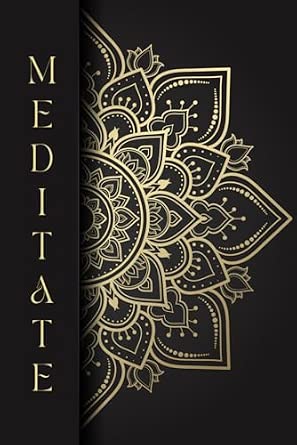 | Best for Compact Daily Reflection | Format: 6 x 9 in | Design: Black and gold | Purpose: Daily meditation tracking and reflection | VIEW LATEST PRICE | See Our Full Breakdown |
| Meditation Logbook: Daily Meditation Journal and Meditation Tracker |  | Best for Habit and Progress Tracking | Format: Paper journal | Entry structure: Daily prompts and reflection space | Tracking details: Session length, techniques, emotions, and insights | VIEW LATEST PRICE | See Our Full Breakdown |
| The Mindfulness Journal: Daily Practices, Writing Prompts, and Reflections for Living in the Present Moment | 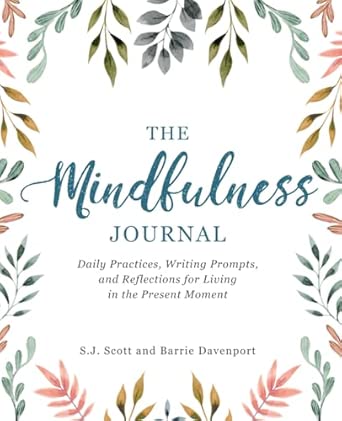 | Best for Present-Moment Writing | Journal type: Mindfulness journal | Practices: Daily practices | Writing guidance: Writing prompts | VIEW LATEST PRICE | See Our Full Breakdown |
| A Year of Mindfulness: A 52-Week Guided Journal to Cultivate Peace and Presence |  | Best for a Year-Long Practice | Format: Guided journal | Duration: 52 weeks | Focus: Mindfulness | VIEW LATEST PRICE | See Our Full Breakdown |
| meditation journals for beginner | Format |
|---|---|
| Mindfulness for Beginners Jour | Guided journal |
| Daily Meditation Journal | Guided meditation logbook |
| Exhale A Meditation Journal: R | Guided meditation journal |
| Meditation Journal for Daily U | Meditation journal |
| A5 Meditation Journal with Gui | — |
| Meditation for Beginners and B | Guided journal |
| Inner Peace: A Guided Meditati | Not specified in the provided product data |
| Meditation Journal | 6 x 9 in |
| Meditation Logbook: Daily Medi | Paper journal |
| The Mindfulness Journal: Daily | — |
| A Year of Mindfulness: A 52-We | Guided journal |
More Details on Our Top Picks
Mindfulness for Beginners Journal: Prompts and Practices for Living in the Moment
Mindfulness for Beginners Journal is the clearest fit for someone whose first goal is to pause and notice the present, rather than keep a detailed record of meditation sessions. Its daily prompts and simple practices give each entry a starting point, which can make a new routine feel less open-ended. Compared with Daily Meditation Journal – Mindfulness Meditation Logbook, this one leans toward everyday mindfulness exercises instead of tracking sessions and progress. The compact format also suits a nightstand or bag, so it can stay close at hand. The tradeoff is limited room for long reflections, and experienced practitioners may outgrow its basic approach. I’d choose it for approachable daily practice, not for extensive journaling or advanced meditation notes.
Pros:- Guided prompts provide an easy starting point for beginners.
- Simple practices focus attention on the present moment.
- Compact format is convenient to keep nearby or carry.
- Daily structure can support a consistent reflection habit.
Cons:- Limited writing space may not suit lengthy entries.
- The basic exercises may offer little for experienced meditators.
Best for: Newcomers who want brief daily prompts to bring mindfulness into ordinary routines without designing their own exercises.
Not ideal for: Experienced meditators or writers who want generous space for long reflections, detailed session notes, or advanced practice.
- Format:Guided journal
- Focus:Mindfulness and living in the present moment
- Practice structure:Daily prompts and simple practices
- Intended audience:Beginners
- Portability:Compact size
- Writing space:Limited space for extensive journaling
Our verdict“Choose this journal if you want concise, approachable prompts for a daily mindfulness habit rather than a detailed meditation log.”
Daily Meditation Journal – Mindfulness Meditation Logbook
If you want to see how your practice changes over time, Daily Meditation Journal – Mindfulness Meditation Logbook is more focused than Mindfulness for Beginners Journal. Its prompts and space for sessions, thoughts, and reflections make it a practical choice for recording meditation regularly, rather than centering each entry on a general mindfulness exercise. That distinction helps beginners connect a habit with their own observations and progress. The compact format makes it easier to keep the log nearby, though the available writing room may feel tight if a session brings up a lot to unpack. Its structured, introductory approach may also feel too basic once a meditator wants more depth. I’d pick this over a broader reflection journal when tracking consistency is the main aim.
Pros:- Prompts support a repeatable daily meditation routine.
- Session and reflection tracking can make progress easier to notice.
- Compact format is convenient for carrying or keeping near a practice space.
- Structured entries offer more direction than a blank notebook.
Cons:- Limited writing space can restrict longer reflections.
- The introductory structure may feel too simple for experienced meditators.
Best for: Beginners who already plan to meditate regularly and want a portable place to record sessions, thoughts, and progress.
Not ideal for: Readers who prefer open-ended, long-form writing or experienced practitioners seeking advanced prompts and detailed analysis.
- Format:Guided meditation logbook
- Focus:Daily mindfulness meditation
- Entry content:Sessions, thoughts, and reflections
- Practice structure:Prompts and progress tracking
- Intended audience:Daily meditation practitioners, including beginners
- Portability:Compact size
- Writing space:Limited for longer reflections
Our verdict“Choose this logbook if recording sessions and noticing progress matter more to you than broad, present-moment exercises.”
Exhale A Meditation Journal: Reflect, Breathe, and Heal
Exhale A Meditation Journal brings reflection, breathing exercises, and healing practices together, giving beginners more than a session-by-session log. That makes it a distinct choice from Daily Meditation Journal – Mindfulness Meditation Logbook, which is centered on recording practice and progress. Here, the prompts invite a broader kind of inner work, so it may suit someone who wants to connect meditation with personal reflection. Its compact format supports use at home or on the go, but the stated limited page count is a real drawback for anyone planning to write every day: the journal may run out quickly. The guided approach can also be too basic for advanced practitioners. I’d choose it for varied, reflective exercises, not for a long-lasting daily record.
Pros:- Combines reflection prompts with breathing exercises.
- Includes healing practices for a broader reflective routine.
- Structured guidance can help beginners know what to write about.
- Compact format is easy to carry.
Cons:- Limited page count may not last long for daily users.
- The guidance may feel basic to advanced meditation practitioners.
Best for: Beginners who want prompts that pair meditation with breathing exercises and personal reflection.
Not ideal for: Daily long-form journalers who need a high page count, or advanced meditators looking for more challenging guidance.
- Format:Guided meditation journal
- Focus:Reflection, breathing, and healing practices
- Practice structure:Daily structured prompts
- Progress support:Prompts encourage tracking personal growth
- Intended audience:Beginners and seasoned meditators
- Portability:Compact size
- Page count:Described as limited; exact count not provided
Our verdict“Pick Exhale if you want reflection and breathwork prompts in one journal and can work with a limited number of pages.”
Meditation Journal for Daily Use
Meditation Journal for Daily Use is the least prescriptive option here: the supplied details say it supports recording and reflecting on sessions, but don’t specify a page layout or prompts. That uncertainty makes it a different bet from Daily Meditation Journal – Mindfulness Meditation Logbook, which explicitly offers prompts and progress tracking. For a beginner who prefers to decide what to write, the open-ended approach may feel flexible; for someone who needs guidance getting started, it may leave too much blank space. It is intended for beginner and intermediate practitioners, so it can suit a growing practice, but there’s no provided detail about portability, paper, or how entries are structured. I’d place it below the more clearly guided options when choosing a first journal.
Pros:- Designed for recording meditation sessions.
- Encourages reflection on practice.
- Aims to suit both beginner and intermediate practitioners.
Cons:- No details are provided about layout or included prompts.
- The lack of confirmed structure may leave beginners unsure how to start.
- Product details do not specify materials or portability.
Best for: Beginner or intermediate meditators who want to record sessions in their own words and do not need a specified prompt system.
Not ideal for: First-time journal users who rely on clear prompts, or buyers who need confirmed details about layout, page design, and materials.
- Format:Meditation journal
- Use:Daily meditation tracking
- Intended level:Beginner or intermediate
- Primary activity:Recording meditation sessions
- Reflection:Encourages reflection on sessions
- Layout details:Not provided
Our verdict“Choose this if you want a simple space to reflect in your own way, but favor a prompt-led journal if you need more direction.”
A5 Meditation Journal with Guided Prompts, 106 Pages
A5 Meditation Journal with Guided Prompts offers the most concrete beginner-friendly package in this group: it includes beginner instructions, pages for intentions and progress, and room for written or creative reflection. Compared with Mindfulness for Beginners Journal, which emphasizes compact daily exercises, this one gives more specified ways to use each entry. Its A5 format, 106 pages, and 100gsm paper make the physical details clearer than those listed for the other journals; the waterproof cover adds reassurance for carrying it around. The tradeoff is that its structured sections may suit planned entries better than completely free-form journaling, and the binding information is inconsistent: twin-wire binding is described, while the specifications also list it as unknown. I’d favor it for beginners who want guidance plus varied reflection space.
Pros:- Beginner instructions provide a guided starting point.
- Structured pages cover intentions, progress, and reflection.
- Written and creative reflection options support different journaling styles.
- A5 format, 100gsm paper, and waterproof cover offer useful physical details.
Cons:- Binding details are inconsistent: twin-wire is described, but the specifications also say unknown.
- Structured pages may feel restrictive to writers who prefer fully open-ended entries.
Best for: Beginners who want instructions, intention-setting, progress tracking, and a portable journal with stated paper and cover details.
Not ideal for: Buyers who need confirmed binding specifications or prefer a fully open-ended notebook without structured sections.
- Brand:snootion
- Size:A5 (5.9 x 8.46 inches)
- Pages:106
- Paper weight:100gsm
- Binding:Twin-wire described; product specifications also list binding as unknown
- Cover:Waterproof
- Color:Purple
- Guidance:Beginner instructions and guided prompts
- Page features:Intention-setting, progress tracking, and written or creative reflection
Our verdict“Choose this journal if you want a guided, portable starter with multiple reflection formats and can accept uncertainty about its binding.”
Meditation for Beginners and Beyond: A 30-Day Guided Journal
The 30-day structure gives beginners a defined starting point: it can help turn an open-ended intention to meditate into a month-long routine. Its stated focus on mindfulness, calm, and inner peace makes it a better fit for readers seeking guided exploration than for those who mainly want to log session details. Compared with Meditation Logbook: Daily Meditation Journal and Meditation Tracker, which lists tools for recording session length, techniques, and progress, this journal’s supplied details emphasize duration and themes rather than specific tracking features. That makes its approach approachable, but leaves the prompt style, page layout, and amount of writing space unclear. Choose it for a clear time frame, not if you need detailed tracking or a practice plan tailored to a specific meditation technique.
Pros:- A 30-day format gives beginners a clear starting and stopping point.
- Designed for both newcomers and readers with some meditation experience.
- Its stated focus on mindfulness and calm gives the journal a clear theme.
Cons:- The available product details do not specify what the daily guidance or exercises include.
- No session metrics or progress-chart features are listed, unlike Meditation Logbook.
- The page count and available reflection space are not provided.
Best for: New meditators who want a defined 30-day period to explore mindfulness and build a regular journaling habit.
Not ideal for: Readers who need specified daily prompts, session-tracking fields, or a known page count before choosing a journal.
- Format:Guided journal
- Duration:30 days
- Stated audience:Beginners and beyond
- Focus:Mindfulness, calm, and inner peace
- ASIN:B0G4NL3PF3
- Daily prompt details:Not specified in the provided product data
Our verdict“Choose this journal if a month-long guided framework matters more to you than detailed session tracking.”
Inner Peace: A Guided Meditation Journal for Beginners
Inner Peace makes its intended audience unmistakable: the title identifies it as a guided meditation journal for beginners. That clear positioning may suit someone who wants an explicitly entry-level option rather than a general mindfulness notebook. Compared with Meditation for Beginners and Beyond: A 30-Day Guided Journal, it does not advertise a fixed month-long program, so it may appeal to buyers who prefer not to commit to a stated duration. The tradeoff is how little else is specified: the supplied data does not describe its prompts, practice instructions, layout, or tracking tools. I would treat its beginner focus as a useful signal, not proof of a particular teaching method. It is a reasonable fit when the audience label leads your decision, but less suitable if you need to preview the journal’s structure before buying.
Pros:- The title clearly identifies the journal as intended for beginners.
- Its guided-journal positioning suggests more direction than a plain blank notebook.
- The inner-peace theme offers a clear focus for readers beginning reflective practice.
Cons:- The provided description does not detail the prompts or meditation guidance.
- No duration or progress-tracking features are specified.
- Format, page count, and writing-space details are unavailable.
Best for: First-time meditators who want a journal explicitly presented as beginner-focused and do not require a stated program length.
Not ideal for: Buyers who want documented daily exercises, progress tracking, a known duration, or confirmed page and format details.
- Journal type:Guided meditation journal
- Stated audience:Beginners
- Theme:Inner peace
- Duration:Not specified in the provided product data
- Format:Not specified in the provided product data
- ASIN:1646119266
Our verdict“Pick Inner Peace if its beginner-first positioning is your main priority and you are comfortable with limited product details.”
Meditation Journal, 6 x 9 in, Black and Gold
For beginners who want to record what happens during a session, this journal offers a straightforward combination of daily meditation tracking and space for sensations and insights. Its 6 x 9-inch format is a defined physical size, while the black-and-gold design and mindfulness-related quotes add a reflective feel. Compared with Meditation Logbook: Daily Meditation Journal and Meditation Tracker, the listed details here point to qualitative notes and quotes, not specific fields for session length, technique, or progress charts. That simpler emphasis may feel less like paperwork, but gives buyers less evidence of a structured habit-building system. The product data also does not state the page count or describe its prompts, so I would not choose it on the assumption that it supplies a detailed beginner curriculum.
Pros:- Supports daily meditation tracking and reflection.
- Space for sensations and insights can help beginners notice their responses to practice.
- Mindfulness, consciousness, and oneness quotes add reflective material.
- The listed 6 x 9-inch dimensions give buyers a clear size reference.
Cons:- The supplied description does not establish that it includes guided beginner exercises.
- No page count or amount of writing space is specified.
- The listed details do not mention progress charts or session-specific fields.
Best for: New meditators who want a compact journal for noting daily practice, physical sensations, and personal insights.
Not ideal for: Beginners who want a clearly described teaching program, progress charts, or specified tracking fields such as session length and technique.
- Format:6 x 9 in
- Design:Black and gold
- Purpose:Daily meditation tracking and reflection
- Reflection topics:Sensations and insights
- Quote themes:Mindfulness, consciousness, and oneness
- ASIN:B0D3Y7Z3CW
Our verdict“Choose this option for compact daily notes and quotes, rather than for a structured meditation course or detailed tracking system.”
Meditation Logbook: Daily Meditation Journal and Meditation Tracker
Meditation Logbook is the most data-oriented choice here: its daily prompts and tracking tools let beginners record session length, technique, emotions, and insights, then review progress over time. Those fields can make an unfamiliar practice feel easier to observe without requiring every entry to become a long essay. Compared with the more theme-led Meditation for Beginners and Beyond: A 30-Day Guided Journal, this logbook puts the emphasis on consistency and measurable details rather than a stated month-long exploration of mindfulness and calm. That structure is useful if you want to spot patterns, but may feel too task-focused if you prefer open-ended reflection. It is also paper-only, with no digital backup or syncing, so people who want searchable records across devices should look elsewhere.
Pros:- Daily prompts provide a repeatable structure for recording practice.
- Fields for session length, techniques, emotions, and insights help beginners notice patterns.
- Progress-tracking charts offer a visual way to review practice over time.
- Reflection space and goal setting pair record-keeping with personal notes.
Cons:- Paper-only format offers no digital backup or syncing.
- The tracking emphasis may feel rigid to readers who want mostly open-ended journaling.
- The supplied data does not specify the journal’s dimensions or page count.
Best for: Beginners who want to build a consistent practice by logging session duration, technique, mood, and insights.
Not ideal for: Digital-first journalers who want synced or backed-up records, or readers who prefer free-form reflection over tracking fields.
- Format:Paper journal
- Entry structure:Daily prompts and reflection space
- Tracking details:Session length, techniques, emotions, and insights
- Progress tools:Progress-tracking charts
- Goal setting:Included
- Digital backup or syncing:Not available
- ASIN:B09FSCG3GJ
Our verdict“Choose this logbook if tracking routine and progress will help you stay engaged, and skip it if you need digital records.”
The Mindfulness Journal: Daily Practices, Writing Prompts, and Reflections for Living in the Present Moment
The Mindfulness Journal centers its appeal on daily practices, writing prompts, and reflections about living in the present moment. For a beginner who learns by writing through an idea, that combination may offer a gentler entry than a journal focused mainly on charting session length or progress. Compared with Meditation Logbook: Daily Meditation Journal and Meditation Tracker, its stated emphasis is broader mindfulness reflection rather than recording specific meditation metrics. That makes it a plausible fit for readers whose practice extends into everyday awareness, but the available details do not confirm a dedicated meditation curriculum, program length, or tracking layout. Buyers seeking a clearly defined meditation plan may prefer the 30-day framing of Meditation for Beginners and Beyond; choose this one when present-moment prompts matter more than documented session tracking.
Pros:- Daily practices give readers a recurring point of entry for reflection.
- Writing prompts can help beginners move beyond blank-page journaling.
- Present-moment focus connects mindfulness reflection to everyday life.
Cons:- The supplied description does not specify a meditation-specific curriculum.
- No program duration or session-tracking tools are listed.
- Format, page count, and the amount of writing space are not provided.
Best for: Beginners who want daily mindfulness practices and writing prompts that connect reflection with ordinary moments.
Not ideal for: Readers seeking a clearly specified meditation program, session-length fields, progress charts, or confirmed page and format details.
- Journal type:Mindfulness journal
- Practices:Daily practices
- Writing guidance:Writing prompts
- Reflection focus:Living in the present moment
- Duration:Not specified in the provided product data
- ASIN:1973531690
Our verdict“Choose this journal for guided present-moment writing, not for a clearly defined meditation schedule or practice log.”
A Year of Mindfulness: A 52-Week Guided Journal to Cultivate Peace and Presence
A 52-week structure makes this a strong choice for beginners who want a steady rhythm without needing to invent a new journaling routine each day. Its focus on mindfulness, peace, and presence keeps reflection at the center, rather than tracking meditation sessions as a logbook might. Compared with Meditation for Beginners and Beyond: A 30-Day Guided Journal, this journal offers a much longer runway, but it may feel less suited to someone who wants a short, clearly bounded introduction. The weekly cadence can make the habit feel manageable, though it also means fewer check-ins than a daily journal. I’d choose it for gradual, reflective practice; beginners seeking detailed meditation instruction or frequent prompts may prefer a more practice-focused option.
Pros:- A 52-week format gives beginners a clear long-term journaling structure
- Mindfulness-focused reflections support attention to everyday experience
- Weekly pacing may feel more manageable than writing every day
Cons:- Weekly prompts offer fewer opportunities for reflection than a daily journal
- The year-long commitment may not suit readers who want a brief trial period
- The provided product details do not specify meditation instruction or tracking tools
Best for: Beginners who want a gentle weekly reflection habit they can follow across a full year
Not ideal for: Readers who want daily tracking, step-by-step meditation instruction, or a short starter program
- Format:Guided journal
- Duration:52 weeks
- Focus:Mindfulness
- Themes:Peace and presence
- Structure:Weekly reflections
- Intended use:Regular reflection
Our verdict“Choose this journal if you want a year of paced mindfulness reflection, but pick a shorter or daily format if you need frequent guidance.”

How We Picked
I compared the 11 journals by how clearly they support a beginner’s first steps: whether they offer prompts or practices, provide a usable routine, make daily tracking straightforward, and leave enough room for personal reflection. I also considered format cues in the titles, including the 106-page A5 journal, the 6 x 9-inch logbook, and the difference between a 30-day and a 52-week program. Those distinctions matter because a journal is easier to keep using when its demands match the reader’s time and preferred writing style.
The ranking prioritizes approachable guidance and a clear path into regular use, then weighs flexibility, tracking focus, and schedule length. That puts Mindfulness for Beginners Journal first as the broadest starting point; the 30-day guided journal ranks well for readers who want a time-bounded plan, while dedicated logbooks suit practice tracking more than open-ended instruction. Titles with less detail about structure are included as alternatives, but I avoid treating their names alone as proof of features they may not have.
Factors to Consider When Choosing Meditation Journals For Beginners
Before choosing a meditation journal, decide what you want it to do when you sit down to write. A beginner may need help finding words, a reminder to record a session, or a plan that makes practice feel manageable. These needs overlap, but no single format is best for everyone.
Choose prompts, tracking, or open reflection
Prompts give you a starting point when you are unsure what to write, but they can feel repetitive if you prefer to follow your own thoughts. A logbook makes it easier to record whether you practiced and notice changes over time, though it may offer little help with reflection. Open-ended journals allow more freedom but can be hard to use consistently if a blank page feels like another task. Before buying, ask what you hope to learn from writing: your thoughts, your habits, or both. If you want both, check that the format leaves space for reflection as well as recording sessions rather than assuming a journal covers each equally.
Match the schedule to your actual routine
A 30-day plan can provide a short, defined runway, while a 52-week structure spreads guidance across a longer period. Neither schedule is automatically easier: a daily sequence can feel encouraging at first and demanding during a busy week, while weekly entries may feel too infrequent for someone building a daily habit. Think about how often you realistically want to write, not how often you hope to meditate. A journal should welcome missed days rather than make you feel behind. If you are uncertain, flexible daily-use pages may be a safer choice than a program that expects steady progress.
Check the writing load before committing
Beginners sometimes choose the most detailed journal, expecting more guidance to mean better results. Long responses can turn journaling into a chore, especially when you are already trying to establish a meditation routine. Short prompts or a simple tracker may be easier to return to, while deeper reflection works better for people who enjoy writing. Consider whether you want to spend a few minutes recording a session or sit down for a longer written exercise. A useful journal should fit the time you can give it on an ordinary day, not just an unusually motivated one.
Treat size and page count as practical constraints
A compact journal can be convenient to carry, but smaller pages may limit how much you can write comfortably. A defined page count, such as 106 pages, helps set expectations about how much material the journal contains, but it does not tell you whether the prompts suit your needs. If you write in large letters or want room for extended reflections, page dimensions matter more than portability. If you plan to keep the journal beside your meditation space, a larger format may be easier to use. Look for a balance between a journal you will carry and one that gives your writing enough room.
Decide whether you want meditation guidance or mindfulness writing
Some journals focus on meditation as a practice, while others center on mindfulness and being present in everyday life. Those aims can complement each other, but they are not interchangeable. If you want help recording sitting sessions, a meditation logbook may be a closer match; if you want prompts about daily awareness, a broader mindfulness journal may feel more relevant. Avoid choosing by title alone: read the description for the type of activity and reflection the pages support. The most useful option is the one that matches what you want to do after you close the journal.
Pay for structure only if you will use it
A guided format earns its place when the prompts, schedule, or practice ideas make it easier for you to begin and return. A more open journal can be the better choice if you already know what you want to record or dislike following a prescribed sequence. Before choosing a more elaborate program, consider whether you want instruction, accountability, or simply a place to write. A fixed plan may feel supportive to one person and restrictive to another. When details about the page layout or guidance are limited, choose based on what is clearly described rather than guessing from an appealing title.
Frequently Asked Questions
Should a beginner choose a guided meditation journal or a plain logbook?
Choose a guided journal if you want questions or practices to help you decide what to write. A logbook is a better fit if your main goal is recording sessions and keeping a visible account of your routine. Many beginners find that reflection and tracking answer different needs, so decide which one would make you more likely to use the journal this month. A simple logbook can be enough if writing prompts feel distracting. If a blank entry would stop you from starting, prompts are a helpful way in.
Is a 30-day journal a better starting point than a 52-week journal?
It depends on whether you prefer a short, focused sequence or gradual guidance over a longer stretch. A 30-day plan can make the first steps feel more clearly bounded, but daily expectations may be difficult to keep during a disrupted month. A 52-week format allows a slower pace, though some readers may want more frequent structure. Neither schedule proves that you need to meditate every day to benefit from journaling. Pick the one whose rhythm feels welcoming when life gets busy, not only when your schedule is clear.
Can I use a meditation journal if I do not meditate every day?
Yes. A journal can help you notice what supports or interrupts your practice, even if your sessions are occasional. You can record when you did meditate, how the session felt, or what made practice difficult without treating missed days as failure. A rigid daily format may feel less comfortable if your routine varies, so look for pages that allow flexible entries. Weekly structures can also suit readers who want reflection without writing every day. The aim is to make the journal useful, not to meet an arbitrary streak.
What should I check if I want to carry my journal with me?
Check the physical dimensions and page count, then think about where you expect to write. A 6 x 9-inch format may be easier to pack than a larger journal, while a compact A5 option can balance portability with writing space. The tradeoff is that smaller pages may feel cramped if you like long reflections. Also consider whether the journal’s structure works for quick entries away from home. If you will mostly write beside a meditation cushion, portability may matter less than comfortable page space.
How can I avoid buying a journal that feels too demanding?
Look for the expected writing rhythm and the type of work each entry asks of you. A guided program may include more direction, but that can mean more effort than a brief log entry. Choose a format that matches the time you usually have, and be wary of assuming a longer program is automatically more supportive. If you are unsure, favor flexible pages or a clear, short routine over a schedule that depends on daily completion. You can always add more detail to a simple entry; it is harder to make an intensive format feel effortless.
Conclusion
For the best overall, I recommend Mindfulness for Beginners Journal: Prompts and Practices for Living in the Moment for its beginner-oriented blend of prompts and practices. The best for a clearly bounded start is Meditation for Beginners and Beyond: A 30-Day Guided Journal; the best value-style fit is Daily Meditation Journal – Mindfulness Meditation Logbook if you mainly want a straightforward record rather than extensive guidance. For the best long-range structure, choose A Year of Mindfulness if a weekly rhythm suits you, while readers seeking a compact format can look at the A5 journal or the 6 x 9-inch logbook. If you want a broad mindfulness focus rather than meditation-session tracking, The Mindfulness Journal is the more relevant direction. Match the journal to the kind of entry you will actually make, and choose the format that feels easiest to return to.