This checklist is for readers choosing sound and ritual music items for personal spiritual practice, meditation, or ceremony. It brings together singing bowls, drums, tuning forks, incense, and ritual objects, with room to consider traditions that call for a shofar or ceremonial bells.

Turn your quiet moments into listening time
- Thousands of audiobooks, podcasts and originals
- Listen on your phone, tablet or Echo — also offline
- Cancel anytime
Each section focuses on one checklist slot and names a supplied pick where available. The kosher shofar and ceremonial bells sections offer selection advice instead, since no specific products were provided for those categories.
Use the notes to compare an item with your practice before buying. Check dimensions, materials, intended use, and compatibility in the product details, and confirm that an object fits the tradition and setting where you plan to use it.
Tibetan Singing Bowls
A singing bowl can serve as a focal point for attentive listening or a transition within a meditation routine. The listed pick is the Rylaxtones MS-8 Electronic Tibetan Singing Bowl Meditation System. Because its name identifies it as an electronic system, check the listing carefully to understand what is included and how it produces sound before comparing it with a traditional bowl. Names alone do not establish its materials, operation, or suitability for a particular practice.
A common buying mistake is treating every bowl or bowl-style system as interchangeable. Consider whether you want an instrument to play by hand, an electronic device, or an item intended mainly as a visual ritual object. Confirm the system’s dimensions, power requirements, controls, and included accessories in the seller’s specifications. If you have limited space or plan to carry it, check its footprint and how it must be stored. Also make sure the sound format and operating method fit your routine rather than relying on assumptions suggested by the product name.
Before purchasing, compare the listing’s stated functions with the way you expect to use it, and look for clear instructions. If you are seeking a bowl associated with a specific lineage or ceremony, consult a knowledgeable practitioner about whether this electronic pick is appropriate.
What to look for:
- Confirm whether the item is electronic and how it produces sound.
- Check dimensions and the space needed for use and storage.
- Review power requirements and any included accessories.
- Look for clear operating instructions and stated functions.
Rylaxtones MS-8 Electronic Tibetan Singing Bowl Meditation System

This rechargeable electronic singing bowl system produces stereo sound with eight selectable frequencies for meditation, yoga, relaxation, and sound therapy. It includes six auto-off timer settings, adjustable volume, and a dual-head USB charging cable; a full charge takes about 120 minutes and provides up to eight hours of use.
Pros:
- Eight selectable frequencies for different listening preferences
- Six auto-off timer options and adjustable volume
- Rechargeable with up to eight hours of use per charge
Cons:
- Requires charging
- Electronic sound reproduction may not suit those seeking a traditional acoustic singing bowl
Best for: Readers seeking an electronic bowl-style system for a personal routine
Not ideal for: Those specifically seeking a hand-played traditional bowl
Bottom line: Check the operating details and fit with your practice before choosing the Rylaxtones system.
Ritual Drum
A frame drum can provide a steady sound for personal reflection, group practice, or ceremony when a drum is appropriate to the setting. The supplied pick is the Native American Style Buffalo Hide Frame Hand Drum – 18 inches, Handma. Its stated 18-inch size makes fit and handling especially useful points to verify: consider where you will play it, how you will hold it, and whether you have a suitable place to store it.
One frequent mistake is choosing by appearance or cultural styling without checking the details behind the listing. The product name does not establish the drum’s construction, sound, maker, or cultural provenance. Review the seller’s description for materials, dimensions, care instructions, and included items, and seek clarification if any of those details matter to your use. If you intend to use the drum in a Native American cultural or ceremonial context, learn from appropriate community or tradition-specific guidance rather than assuming that a style label signals cultural approval.
Think through practical handling as well: an 18-inch drum may feel different to hold than a smaller instrument, and the listing should explain enough for you to assess that fit. Confirm how it should be cared for and whether its intended use aligns with your practice before ordering.
What to look for:
- Verify the listed 18-inch measurement and how it is measured.
- Check the stated materials and care instructions.
- Confirm what is included with the drum.
- Consider holding comfort, storage, and intended use.
- Seek tradition-specific guidance when cultural context matters.
Native American Style Buffalo Hide Frame Hand Drum – 18 inches, Handmade Maple F

This 18-inch hand drum features a buffalo hide head mounted on a sturdy maple frame, producing deep resonant tones ideal for sound healing, meditation, and drum circles. Each handmade drum includes a buckskin beater and has unique natural characteristics, making it a one-of-a-kind musical instrument.
Pros:
- Rich, deep sound suitable for sound healing and meditation
- Handmade with natural buffalo hide and wood for unique character
- Includes a beater for immediate use and comfortable leather handle for easy playing
Cons:
- Natural materials may vary in appearance and tone
- Large size may not be suitable for small spaces or portability
Best for: Readers looking for a hand drum with a stated 18-inch size
Not ideal for: Those who need a compact drum or tradition-specific provenance
Bottom line: Verify construction, care, and cultural context before selecting this frame drum.
Tuning Forks
Tuning forks may be used as sound-making tools in personal routines, but the listed product’s name does not confirm how it should be used or what outcomes to expect. The pick is the ENSO Resonance 128Hz Tuning Forks for Healing Set, Sound Healing. Treat the wording in the title as a product label, not evidence of a health effect. Start by checking exactly how many forks are included and whether the set comes with instructions or any accessories.
A common buying mistake is assuming that a frequency label alone guarantees compatibility with a practice. Confirm the stated frequency, the number and type of forks, and the method of use described by the seller. Review materials, dimensions, striking method, and care guidance so you know what you will receive and how to handle it. If you plan to use a fork alongside other instruments, consider whether the seller provides enough information to compare their stated frequencies and intended roles. Avoid relying on vague healing claims when evaluating the listing.
Fit also includes the setting and the user: check whether the design is comfortable to hold and whether the instructions suit your experience level. If using sound in a therapeutic context, consult a qualified professional and do not treat the product name as medical advice. Choose based on clear product specifications and a realistic understanding of its role in your routine.
What to look for:
- Confirm the stated 128Hz frequency and number of forks.
- Check what accessories and instructions are included.
- Review materials, dimensions, and care guidance.
- Look for clear handling and striking instructions.
- Evaluate claims by the listed specifications, not the title alone.
ENSO Resonance 128Hz Tuning Forks for Healing Set, Sound Healing
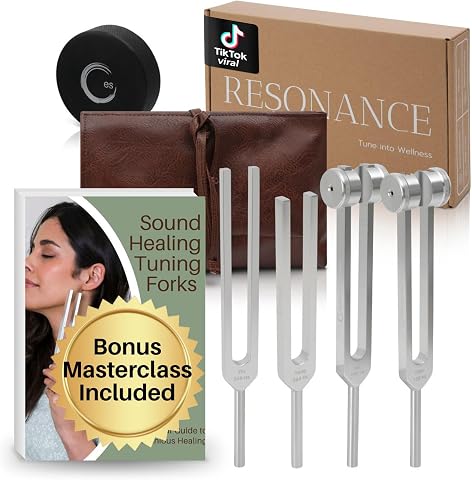
This sound healing set includes weighted and unweighted tuning forks at frequencies like 128Hz, 136.1Hz, 256Hz, and 384Hz, designed to support nervous system regulation, stress reduction, and energetic alignment. The set comes with a masterclass, accessories, and is crafted from high-quality materials, making it suitable for self-care, meditation, and energy work.
Pros:
- Supports stress reduction and nervous system regulation
- Includes comprehensive learning resources and accessories
- High-quality, durable construction with clear resonant tones
Cons:
- Requires some familiarity with sound healing techniques
- May be more suitable for experienced practitioners or dedicated enthusiasts
Best for: Readers seeking tuning forks listed with a 128Hz designation
Not ideal for: Those needing a fully specified set when listing details are unclear
Bottom line: Check the set contents and instructions, and treat the healing wording as a product label.
Kosher Shofar
No specific shofar pick was supplied, so use this slot to identify the requirements of your practice before comparing listings. A kosher shofar is a ritual object with tradition-specific standards; suitability should be confirmed through a trusted rabbi or knowledgeable community authority, not inferred from a marketplace title. Clarify the intended use and the standards that apply in your community before shopping.
A common mistake is assuming that a product described as a shofar, or labeled kosher by a seller, meets the requirements relevant to your practice. Ask who can verify its status and what documentation or inspection is available. Read the listing for material, dimensions, condition, and included care guidance, but treat those details as practical information rather than proof of ritual suitability. If the instrument will be used in a particular service or setting, ask in advance whether its size and sound are appropriate.
Consider handling and storage, too. The shape and length can affect how comfortably you hold and transport it, so check measurements and seek guidance if you are uncertain. Favor clear seller information and a return policy you understand, while relying on an appropriate religious authority for questions of kosher status. This category is best approached through community guidance first, then product comparison.
What to look for:
- Ask a trusted rabbi or community authority how to verify kosher status.
- Check dimensions, condition, and stated material.
- Request clear information about inspection or documentation.
- Confirm suitability for the intended service or setting.
- Review care, storage, and transport considerations.
Incense Burner
An incense holder helps define a place for incense in a room or ritual arrangement. The listed pick is the Medium Peony Ceramic Incense Stick Holder – Handmade Chinese Porcelain. Its name identifies ceramic and a medium size, but check the seller’s specifications to learn the actual measurements and the kinds of incense sticks it accommodates. Consider where you will place it and whether its footprint suits the surface available.
A common mistake is buying based on a decorative style without checking practical fit. Confirm that the holder is intended for stick incense and review its dimensions, opening or support design, and cleaning guidance. The title does not establish how stable it is or what is included, so look for clear photos, material details, and care instructions. Place any incense holder on a stable, heat-resistant surface and follow the incense maker’s safety directions. If the item is for a shared or ceremonial space, consider whether its appearance and use suit that setting.
Also check how you will store and maintain a ceramic piece, especially if it will be moved often. Confirm whether the listing explains how to remove ash and whether the holder is designed for the incense format you use. Select it for the practical dimensions and stated use as well as its visual fit with your space.
What to look for:
- Verify the holder’s actual measurements and footprint.
- Confirm it is intended for the stick incense you use.
- Review the support design and listing photos for fit.
- Check cleaning and care instructions for the ceramic.
- Use it on a stable, heat-resistant surface.
Medium Peony Ceramic Incense Stick Holder – Handmade Chinese Porcelain, Green

This handcrafted Chinese ceramic incense holder features a retro peony design, made from authentic Jingdezhen porcelain. It serves as both a functional incense holder and a decorative piece, reflecting centuries of Chinese ceramic artistry.
Pros:
- Authentic handmade Jingdezhen porcelain with unique craftsmanship
- Beautiful retro peony design adds cultural elegance
- Versatile for use in home decor, meditation, or as a gift
- Durable and lightweight with high-temperature firing
Cons:
- Limited to incense sticks with 4mm diameter
- Handmade items may vary slightly in appearance
- Not suitable for large incense cones or other types
Best for: Readers wanting a ceramic holder for incense sticks
Not ideal for: Those needing a holder for a different incense format
Bottom line: Confirm dimensions and stick compatibility before placing this ceramic holder in your space.
Ceremonial Bells
No specific ceremonial bells were supplied, so first determine what role the bells should play in your practice. Traditions differ in how bells are selected and used, and a generic listing may not provide the context you need. Ask a knowledgeable practitioner or community authority for guidance if the bells are intended for a specific ceremony or lineage.
When comparing products, check the intended use, materials, dimensions, and any details about how the bells are held or sounded. A common mistake is treating decorative bells and ritual instruments as interchangeable. Look for a listing that clearly describes sound-making method, construction, and included components, and verify that the size and handling suit the people who will use them. If sound or tone matters, listen to a recording where available or ask the seller for a clear demonstration rather than inferring it from photographs.
Consider how the bells will be stored, transported, and cared for, especially if they are part of a shared practice. Confirm with the relevant community whether a particular form is appropriate before treating it as ceremonial. Clear product information can help with practical comparison, while tradition-specific guidance helps establish whether an item belongs in the intended setting.
What to look for:
- Clarify the bells’ role and tradition-specific requirements.
- Check materials, dimensions, and construction details.
- Confirm how the bells are held and sounded.
- Listen to a recording or request a demonstration if tone matters.
- Ask a knowledgeable practitioner about ceremonial suitability.
For a budget-first buying order, begin by listing the items your practice actually requires, then prioritize the essentials you will use most often. Compare clear specifications, fit, care needs, and included components before adding optional pieces, and seek tradition-specific guidance for ritual objects where suitability matters.
Build your checklist at a pace that feels manageable. With thoughtful choices and practical checks, you can shape a sound and ritual setup that fits your space, routine, and community guidance.