TL;DR

Turn your quiet moments into listening time
- Thousands of audiobooks, podcasts and originals
- Listen on your phone, tablet or Echo — also offline
- Cancel anytime
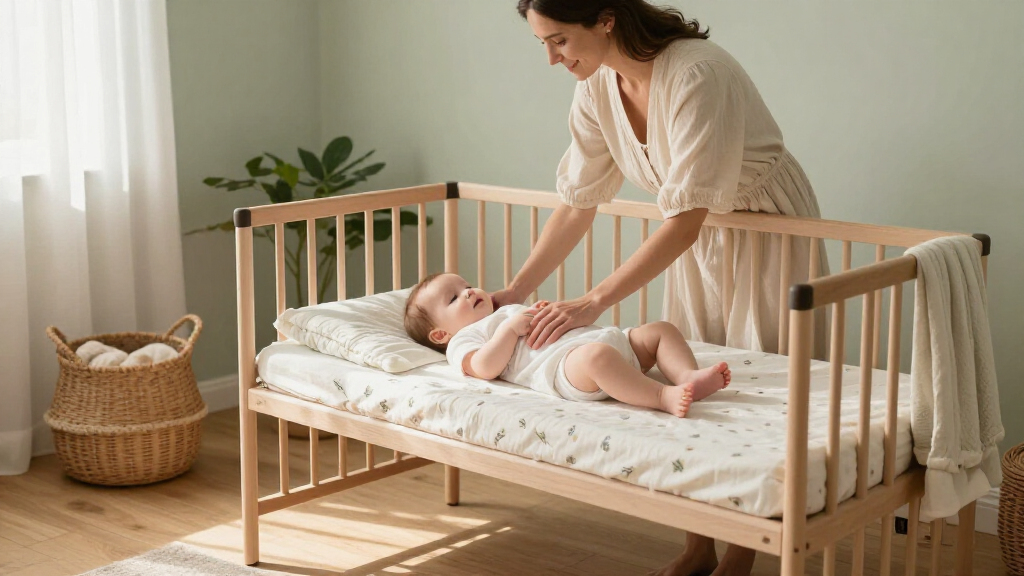
The Good Trade has published its 2026 review of the six best organic crib mattresses, naming Avocado as its top overall pick. All six mattresses carry third-party organic certifications and avoid synthetic flame retardants, according to the publication’s testing.
Lifestyle publication The Good Trade has published its 2026 review of the six best organic crib mattresses, naming the Avocado crib mattress as its top overall pick. The list, compiled by editors who say they personally tested each mattress, also singles out models from My Green Mattress, Newton, Naturepedic, KATU and Love To Dream in categories spanning affordability, toddler use and hypoallergenic performance. The review arrives amid growing parental concern over chemical emissions from conventional crib mattresses.
According to the publication’s category rankings, the Avocado mattress is the top pick overall, described as the softest and quietest option tested. My Green Mattress was named the most affordable organic option, while Newton took the mini crib category and Naturepedic was selected as the best organic mattress for toddlers. KATU and Love To Dream rounded out the list, with Love To Dream recognized as the most hypoallergenic pick.
The Good Trade states that every mattress on the list is made with certified organic materials unless otherwise noted, and that its editors have visited many of the manufacturers’ factories to verify claims and observe production. Each brand carries third-party certifications including GOLS, GOTS and USDA Certified Organic, and none of the listed mattresses contains synthetic flame retardants, according to the review. The lead reviewer, a new mother, writes that she tested each mattress with her 10-month-old daughter to assess firmness, crib fit and breathability.
The review also issues an explicit caveat about terminology: no mattress can be considered completely “nontoxic”, the publication notes, because that claim is difficult to guarantee. The editors say their use of the term means the mattresses are made with lower-emission, more consciously sourced materials rather than meeting an absolute standard.
Why Parents Are Paying More for Crib Materials
The review reflects a broader shift in how parents shop for nursery gear. Infants sleep 12 to 16 hours a day during their first year, meaning a crib mattress is among the surfaces a baby contacts most. Dr. Jaclyn Tolentino, a board-certified family physician quoted in the review, notes that infants sleep through “an important period of neurological, immune, and physical development,” which is one reason many parents choose to be more intentional about nursery materials.
The health stakes cited in the review are specific. Conventional crib mattresses are typically made with or topped by polyurethane foam, a petroleum-derived material known for off-gassing volatile organic compounds, which the American Lung Association says can be harmful in high amounts. Vinyl linings, used for waterproofing, can emit phthalates, chemicals linked to endocrine disruption. Because federal flammability standards require mattresses to resist ignition, many manufacturers use synthetic retardants such as boric acid, PBDEs and antimony trioxide — chemicals the National Institute of Environmental Health Sciences says children are especially vulnerable to because their bodies are still developing.
Dr. Jerome Paulson, a George Washington University pediatrician quoted in the report, said the presence of such chemicals in crib mattresses is “evidence of an ongoing problem that we as a nation have been unwilling to confront.”
How The Good Trade Built the List
The Good Trade describes itself as an editorial outlet whose endorsements are based on products its editors have “personally researched, tested, and genuinely love.” It discloses that it earns a commission on some purchases made through its links, a common arrangement in product-review publishing that readers may want to weigh alongside the recommendations.
The selection methodology rests on three stated pillars. First, certified organic materials, verified in part through factory visits. Second, safety certifications from independent third parties — GOLS (Global Organic Latex Standard), GOTS (Global Organic Textile Standard) and USDA Certified Organic — with an explicit requirement that no mattress on the list contain toxic flame retardants. Third, hands-on testing of firmness, crib fit and breathability conducted by the lead reviewer with her infant daughter. The publication says the list is updated regularly as new options emerge.
“Infants spend a significant amount of time sleeping during an important period of neurological, immune, and physical development, which is one reason many parents choose to be more intentional about the materials used in nursery products.”
— Dr. Jaclyn Tolentino, board-certified family physician
Claims That Are Harder to Verify
The review itself acknowledges that “nontoxic” is not a certifiable claim; no mattress can be guaranteed completely free of health risk. The publication also notes that research on children’s sensitivity to environmental irritants “continues to evolve,” framing reduced chemical exposure as a precautionary choice rather than a proven health outcome.
Because The Good Trade earns commissions on some linked products, its rankings represent a commercial as well as editorial judgment. The specific testing results — firmness scores, breathability measurements or durability data — are not published in detail, so readers cannot independently verify how the six mattresses compared. The review does not list prices for each pick, so the relative value of the “most affordable” designation is unclear.
For Families Deciding on a Mattress
The Good Trade says it will continue updating the list as new or emerging options come to market, so the rankings may shift through 2026. Parents weighing a purchase can use the review’s certification framework — checking for GOLS, GOTS and USDA Organic labels and the absence of synthetic flame retardants — when evaluating any mattress, including brands not on the list. For those who want independent verification, certification bodies maintain public databases of certified products. Pediatric guidance on safe sleep, including firm-surface recommendations from bodies like the American Academy of Pediatrics, applies regardless of mattress material and remains a separate consideration from organic claims.
Key Questions
Which organic crib mattress did The Good Trade rank first overall?
The Avocado crib mattress was named the top pick, described by the reviewers as the softest and quietest option they tested.
Are organic crib mattresses actually free of toxic chemicals?
Not absolutely. The Good Trade cautions that no mattress can be considered completely “nontoxic”. Its listed picks are made with lower-emission, certified organic materials and avoid synthetic flame retardants, but that is not a guarantee of zero risk.
What certifications should parents look for?
The review highlights GOLS, GOTS and USDA Certified Organic as the key third-party certifications, along with confirming that a mattress does not contain synthetic flame retardants.
Why are conventional crib mattresses a concern?
According to sources cited in the review, they often contain polyurethane foam that off-gasses VOCs, vinyl linings that can emit phthalates, and synthetic flame retardants — chemicals children are more vulnerable to because their bodies are still developing.
Does The Good Trade profit from these recommendations?
Yes. The publication discloses that it earns a commission on some purchases made through its links, though it says its endorsements reflect products its editors have researched and tested.
Source: rss
Fall Picks
fall essentials
As an affiliate, we earn on qualifying purchases.