
TL;DR

Turn your quiet moments into listening time
- Thousands of audiobooks, podcasts and originals
- Listen on your phone, tablet or Echo — also offline
- Cancel anytime
A severe heat wave is affecting much of the U.S., with over 39 million people under heat alerts and temperatures exceeding 100°F. Experts recommend hydration, avoiding peak heat, and monitoring symptoms. Relief is expected by next weekend.
Extreme heat is gripping much of the United States this week, with over 39 million people under heat alerts and temperatures surpassing 100°F in several cities, according to the National Weather Service. This heat wave is driven by a shifting ‘heat dome’ that has expanded across the central, eastern, and southwestern U.S., creating dangerous conditions that require public awareness and safety measures.
Temperatures in some areas have climbed above 110°F, with a record high of 119°F near Topock, Arizona, and near Tecopa, California, on Thursday. The National Weather Service has issued extreme heat warnings across six states, including Arizona, California, Nevada, Utah, Oklahoma, and western Arkansas, primarily through Sunday, with some extending into Monday night. Highs are forecasted to reach 100°F to 120°F in desert regions, with little overnight relief, maintaining dangerous heat index levels up to 120°F in parts of Arizona and South Texas.
Health authorities emphasize the importance of hydration, avoiding outdoor activity during peak heat, and wearing lightweight clothing. The National Weather Service warns that prolonged exposure increases the risk of heat-related illnesses such as heat exhaustion and heat stroke. Over 3.5 million people in southern Arizona, southern New Mexico, and the lower Rio Grande Valley are at the highest risk, with more than 43 million facing a ‘major’ heat risk level across the Southwest and parts of Oklahoma and Arkansas.
Some relief is anticipated as a cold front is expected to arrive by the end of the week, bringing cooler temperatures and lower humidity across much of the eastern U.S., with highs dropping 10 to 20 degrees below current levels, according to the National Weather Service forecast.
How to stay cool & safe during the U.S. heat wave
Dangerous heat is affecting large parts of the central, eastern and southwestern United States. Hydrate early, reduce exposure and know when ordinary heat stress becomes a medical emergency.
Six actions that lower your risk
Heat illness can develop before you realize how much strain your body is under. Build protection into the day instead of waiting until you feel unwell.
Hydrate steadily
Drink water throughout the day. If you are sweating heavily, ask a clinician whether an electrolyte drink is appropriate for you.
Find cooled space
Use air conditioning when available. Libraries, malls and community cooling centers can provide safer daytime shelter.
Avoid peak heat
Move necessary outdoor work to early morning or evening. Take frequent shaded or air-conditioned breaks.
Dress for cooling
Choose lightweight, loose-fitting, light-colored clothing. Add a wide-brimmed hat and sunscreen outdoors.
Check on others
Call older adults, neighbors living alone, people with chronic illness and anyone without reliable cooling.
Protect children & pets
Never leave a person or animal in a parked vehicle—not even briefly or with windows partly open.
Know the warning signs
Heat exhaustion needs prompt cooling. Heat stroke is life-threatening and requires immediate emergency care.
Heat exhaustion
Act now- Heavy sweating or cool, clammy skin
- Weakness, fatigue or muscle cramps
- Dizziness, headache or faintness
- Nausea or vomiting
Heat stroke
Emergency- Confusion, agitation or altered behavior
- Loss of consciousness or seizure
- Very high body temperature
- Hot skin, with or without sweating
Plan around the heat
The exact hottest period varies locally, but afternoon exposure usually creates the greatest strain. Warm nights can also prevent the body from recovering.
Use this as a planning guide, not a universal forecast. Check hourly conditions for your location and pay attention to humidity, direct sun and overnight indoor temperatures.
Your heat-safety chain
A simple sequence turns changing weather information into practical protection for you and the people around you.
Check local alerts
Confirm timing, heat index and warning level.
Prepare supplies
Water, medication, light clothing and charged devices.
Choose cool space
Identify home cooling or a public cooling center.
Check your circle
Contact people who may need transport or assistance.
Monitor symptoms
Respond early and escalate confusion or collapse.
What to expect next
A shifting heat dome is driving the event. Forecast relief may arrive with a cold front, but local timing and humidity remain uncertain.
When will conditions improve?
Forecasts cited in the supplied report anticipated cooler weather toward the end of the week or next weekend, with some eastern locations potentially dropping 10–20 degrees.
Which areas face elevated risk?
The report highlights the Southwest, southern Arizona, southern New Mexico, the lower Rio Grande Valley, Oklahoma and western Arkansas. Local alerts determine your actual risk.
Could power demand become a problem?
Heavy cooling demand can strain local systems, though outages were not confirmed in the supplied information. Charge devices and know where you can go if cooling fails.
Who needs extra care?
Older adults, infants, outdoor workers, athletes, people without air conditioning and those with medical conditions or heat-sensitive medications may be more vulnerable.
“Relief is possible, but precautions should continue until local warnings expire and indoor temperatures return to safe levels.”
Forecast summary · timing remains subject to changeHealth Risks and Public Safety Measures
This heat wave poses significant health risks, particularly for vulnerable populations, and underscores the importance of public safety measures. Prolonged exposure to extreme heat can lead to serious illnesses, straining healthcare systems and prompting urgent advisories. The forecasted relief next weekend offers some respite, but immediate precautions remain essential for millions.
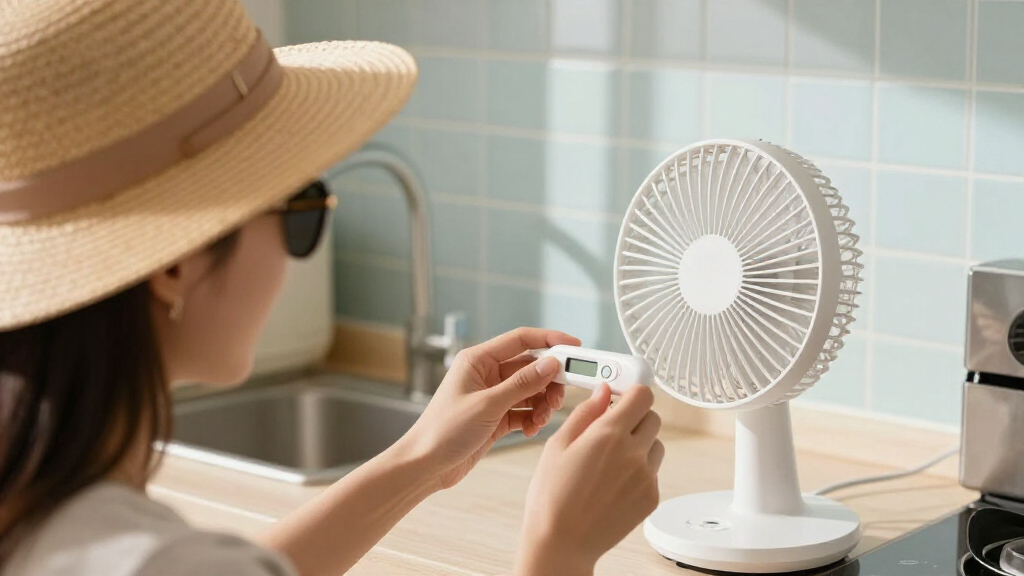
personal portable fan for heat relief
As an affiliate, we earn on qualifying purchases.
As an affiliate, we earn on qualifying purchases.
Recent Trends and Forecasts of the Heat Wave
The current heat wave follows a pattern of record-breaking temperatures across the U.S., driven by a shifting ‘heat dome’ that has intensified over the past week. The National Weather Service has issued multiple alerts, with some areas experiencing their hottest days on record. Historically, such extreme heat events have become more frequent, partly due to climate change, increasing the urgency of public health responses and preparedness.
Previous heat waves have also prompted widespread advisories, but this week’s conditions are among the most severe in recent memory, affecting a large portion of the population across multiple states.
“The current heat dome is expected to shift eastward next week, bringing relief to some regions, but residents should remain cautious until then.”
— an anonymous researcher
As an affiliate, we earn on qualifying purchases.
Unconfirmed Aspects of the Heat Wave’s Duration
While the National Weather Service forecasts relief by next weekend, the exact timing and severity of the cooling trend remain subject to change. Local variations in weather patterns and humidity levels could influence how quickly conditions improve, and ongoing climate factors may affect the overall intensity of the heat wave.
As an affiliate, we earn on qualifying purchases.
Expected Developments and Public Guidance
Meteorologists anticipate the arrival of a cold front by late this week, which should significantly lower temperatures and humidity levels across much of the eastern U.S. The public is advised to continue following local alerts, stay hydrated, and avoid outdoor activities during peak heat hours. Officials will monitor the situation and issue updated guidance as needed.
As an affiliate, we earn on qualifying purchases.
Key Questions
How can I stay safe during this heat wave?
Drink plenty of fluids, stay in air-conditioned environments, wear lightweight clothing, avoid outdoor activity during peak heat times, and check on vulnerable neighbors.
When will the heat wave end?
According to forecasts, a cold front is expected to bring relief by the end of this week, with cooler temperatures and lower humidity expected next weekend.
What are the signs of heat exhaustion or heat stroke?
Symptoms include heavy sweating, weakness, dizziness, nausea, and confusion. Immediate medical attention is necessary if heat stroke is suspected.
Are there specific areas most at risk?
Yes, over 3.5 million people in southern Arizona, southern New Mexico, and the lower Rio Grande Valley face the highest risk, with many others in the Southwest and parts of Oklahoma and Arkansas facing major risk levels.
Should I expect power outages due to high cooling demand?
While not confirmed, increased electricity use during extreme heat can strain power grids, so residents should prepare for potential outages and conserve energy where possible.
Source: Google Trends
Fall Picks
fall essentials
As an affiliate, we earn on qualifying purchases.