
TL;DR

Turn your quiet moments into listening time
- Thousands of audiobooks, podcasts and originals
- Listen on your phone, tablet or Echo — also offline
- Cancel anytime
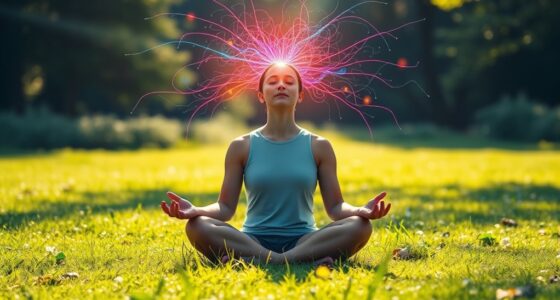
The Good Trade published a collection of 99 mantras intended to help readers slow anxious thoughts, including during election season. The advice centers on meditation, attention to breathing and self-compassion; the source presents the phrases as a personal mindfulness aid, not as a treatment or a guarantee of relief.
The Good Trade has published a collection of 99 mantras for readers trying to slow anxious thoughts during election season, framing meditation and repeated phrases as ways to focus attention amid an often intense flow of online content. The article offers prompts for self-reflection and relationships, but does not present them as a substitute for professional mental health care or claim that they work for everyone.
The article links election-season stress to a broader experience of digital overload: a social-media feed may move quickly between entertainment, personal updates, advertising, breaking news and heated discussion. The author says this rapid shift in subject matter can pull attention in different directions and contribute to emotional strain. The source does not provide research findings or measurements specific to election coverage.
The mantras are grouped by themes, including a person’s relationship with themselves and their relationships with others. Examples include “I have much to give and nothing to prove,” “I exhale tension. I inhale calm,” and “My peace is mine to protect.” Other prompts encourage listening before speaking, choosing where to spend energy, and approaching anxious feelings with compassion rather than trying to force them away.
The article suggests readers select a phrase that feels useful, adapt it, or use it during meditation. It says a practice can be brief, giving two minutes or 20 minutes as examples, and names Insight Timer, Calm and Headspace as apps that offer guided meditation. These are recommendations from the source; it does not compare the apps or establish that one approach is more effective than another.
Tools for Election-Season Stress
Election coverage can bring a steady stream of high-stakes news, argument and uncertainty into everyday screen use. The article’s practical relevance is its focus on a small action readers can try when they notice that stream affecting their attention: pausing, breathing and returning to a chosen phrase. The mantras also address how people communicate with others during disagreement, not only how they manage private feelings.
That framing is limited by the material available. The piece is a wellness article, not a report on election-related anxiety rates or a clinical evaluation of meditation. Its suggestions may suit some readers as a personal routine, while others may need different support. The central takeaway is an invitation to experiment with mindfulness, rather than evidence that a list of phrases can resolve anxiety.
Products Worth Considering

Therabody Theragun Relief Massage Gun, 3-Speed, Navy

Garmin Forerunner 70 GPS Running Smartwatch, 43 mm, Black

BowFlex Results Series SelectTech Adjustable Dumbbells (Pair)
As an affiliate, we earn on qualifying purchases.
The Article’s Mindfulness Approach
The Good Trade describes the internet as a mixture of news, advertising, misinformation, memes and hostile comments, arguing that constant exposure can make it harder to direct one’s attention. It recommends limiting screen time and using the internet more intentionally as part of the response, alongside meditation. The supplied source does not specify a publication date, identify an election or tie the article to a particular campaign or political event.
To explain the idea of creating an internal place of calm, the article quotes the late author Melody Beattie, known for “Codependent No More.” Beattie describes meditation as being about “the home inside of ourselves and how that home feels to be in,” and says people can make choices about their own inner environment even when they cannot control everything around them. Her remarks are presented in the source as coming from a podcast episode; no episode date or title is provided in the supplied material.
““I have a choice to anchor my mind in the environment I create inside myself, creating a refuge I have access to at all times.””
— The Good Trade article
Limits of the Advice
The supplied material does not give a publication date, describe a specific election or report how many readers have used the mantras. It also does not cite particular studies, provide details about the evidence behind meditation, or evaluate whether the listed phrases reduce anxiety. The article says studies have suggested meditation can support mental wellbeing, but the source excerpt does not identify those studies or quantify their findings.
It is also unclear whether the list has been updated since publication or whether the complete set of 99 phrases is available in the supplied excerpt, which ends partway through the list. The article does not claim the mantras are suitable for every person or situation. Readers experiencing persistent or severe anxiety may need support beyond a self-guided practice.
How Readers Can Use the List
The article’s suggested next step is for readers to choose one phrase, make it their own and repeat it during a meditation practice. It also recommends trying a guided session through apps such as Insight Timer, Calm or Headspace, and pairing mindfulness with more intentional internet use. The source does not announce a follow-up, new research or an expected update to the collection.
Readers who try the approach can treat it as a personal tool and notice whether it helps them pause or refocus. The advice does not establish a clinical outcome. If anxiety is persistent, worsening or interfering with daily life, seeking guidance from a qualified health professional is a separate option.
Key Questions
What is the news?
The Good Trade published 99 mantras intended to help readers slow anxious thoughts, including during election season. The list includes prompts for self-compassion, breathing and communication with others.
Are the mantras presented as a treatment for anxiety?
No. The source presents them as meditation prompts and personal mindfulness tools. It does not say they replace professional mental health care or guarantee relief.
How does the article suggest using a mantra?
It suggests choosing a phrase that resonates, adapting it if desired and using it during meditation. The article gives two minutes and 20 minutes as examples of possible practice lengths.
Does the source provide evidence that these phrases work?
The supplied excerpt does not cite specific studies testing the 99 mantras or report measured outcomes. It says research has suggested meditation can support mental wellbeing, but gives no study details in the material provided.
Which meditation apps does the article mention?
The article names Insight Timer, Calm and Headspace as options for readers who want guided meditation. It does not compare their features or recommend one over the others.
Source: thegoodtrade.com