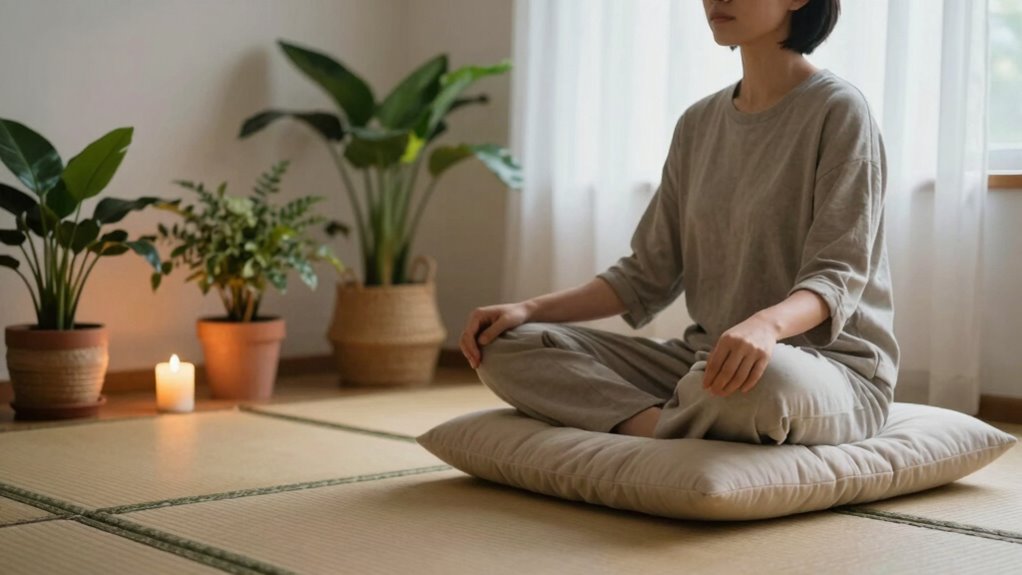

In your first 30 days of meditation, you’ll gradually notice improved focus and a sense of calm taking shape. Expect some days to be easier, while others feel more challenging, especially as your mind gets used to stillness. Building a routine helps reinforce the habit, making meditation feel natural over time. Small wins like feeling centered or noticing your breath will motivate you to keep going. Stick with it, and you’ll discover even more benefits as you progress.

Turn your quiet moments into listening time
- Thousands of audiobooks, podcasts and originals
- Listen on your phone, tablet or Echo — also offline
- Cancel anytime
Key Takeaways
- You’ll likely notice improved focus and moments of calm as your practice becomes more consistent.
- Initial sessions may feel challenging, with frequent distractions and difficulty settling the mind.
- Progress is gradual; small victories like awareness of breath or feeling centered are common early signs.
- Building a routine and dedicated space enhances consistency and deepens your meditation experience.
- Patience and persistence are essential, as mindfulness and stillness develop gradually over the month.
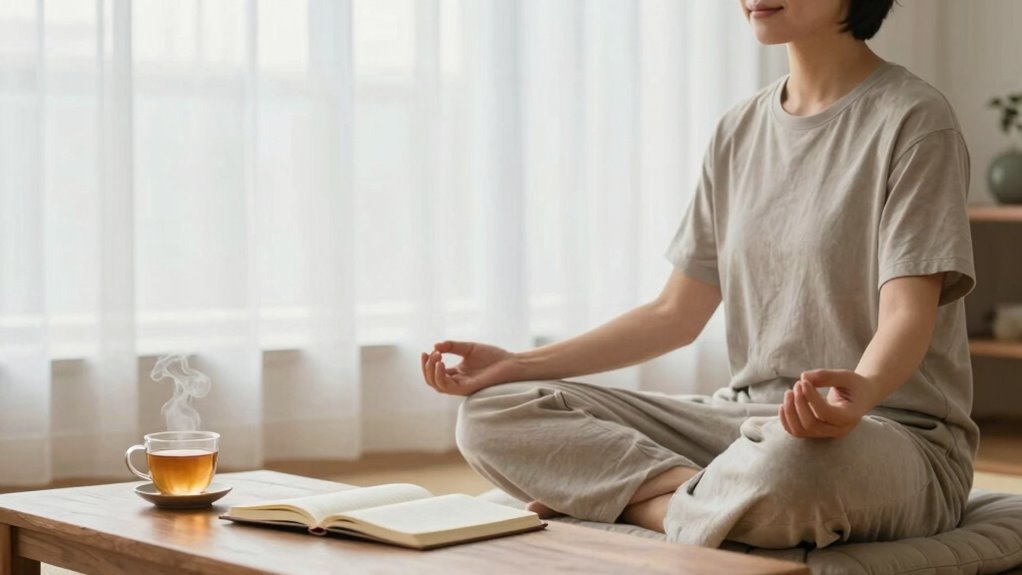
Integrating meditation into your daily routines can also feel tricky initially. You might find it hard to carve out time, especially if your schedule is packed or unpredictable. It’s common to start with short sessions—just five or ten minutes—and gradually extend them as you become more comfortable. Consistency is more important than duration early on. Establishing a routine helps your mind associate certain times of day with meditation, making it easier to stick with it. You might try meditating first thing in the morning, during lunch, or right before bed. Whatever you choose, doing it daily reinforces the habit and creates a sense of stability. Incorporating backyard transformation essentials like creating a peaceful outdoor space can also serve as a calming environment for your practice.
Expect your mindfulness challenges to ebb and flow. Some days, you’ll feel more focused and present, while other days, your thoughts will seem relentless. Don’t get discouraged. Each session, whether it feels successful or not, is part of the learning process. Over time, you’ll notice that your ability to stay present improves, even if only slightly. Patience is key. Your mind is used to constant activity, so it takes time for it to settle into stillness. With regular practice, the moments of distraction will diminish, and you’ll find yourself more grounded in your daily routines. Additionally, understanding the importance of contrast ratio in visual clarity can help you appreciate how subtle improvements in focus make a difference in your meditation experience. Embracing mindfulness as a skill as a gradual process can also encourage you to remain patient and persistent. Creating a dedicated space, whether indoors or out, can further support your consistency and deepen your practice.
In this first month, your main goal should be to establish a sustainable practice, not to achieve perfection. Celebrate the small victories—like noticing your breath or feeling more centered after a session. As you continue, you’ll find meditation becoming a natural part of your day, helping you navigate mindfulness challenges with greater ease. Remember, every effort counts, and with patience, those initial hurdles will give way to a deeper sense of calm and self-awareness.
meditation cushion for beginners
As an affiliate, we earn on qualifying purchases.
As an affiliate, we earn on qualifying purchases.
Frequently Asked Questions
Can I Meditate Lying Down Instead of Sitting?
Yes, you can meditate lying down instead of sitting if you prefer. Your posture preferences matter, especially if sitting causes discomfort. Just be mindful that lying down might make you more prone to drowsiness, which can affect your meditation focus. Practice mindful awareness of your body and breath, and over time, find a position that helps improve your meditation consistency without compromising your sleep quality.
Should I Meditate on an Empty Stomach?
You should meditate on a relatively empty stomach to avoid discomfort and distractions. If you’ve just eaten, mindful eating helps you notice any stomach discomfort that might interfere with your focus. Waiting a couple of hours after a big meal usually works best. This way, you stay comfortable and fully present during your meditation, making it easier to cultivate calm and concentration without feeling bloated or restless.
How Do I Handle External Distractions During Meditation?
To handle external distractions during meditation, use mindfulness techniques to gently acknowledge them without judgment. Focus enhancement comes from redirecting your attention back to your breath or chosen point of focus. If noise or interruptions persist, consider creating a dedicated, quiet space or using calming sounds. Regular practice trains your mind to stay present, making it easier to handle external distractions and improve your overall meditation experience.
Is It Necessary to Use Guided Meditations?
You don’t have to rely solely on guided meditations; sometimes, you need to find your own path. Guided sessions can help with focus and structure, especially if you’re new, but silent retreats and breath awareness practices teach you to trust your inner voice. Think of it as learning to navigate uncharted waters—initial guidance helps, but ultimately, your own experience and intuition will steer your meditation journey.
What if I Feel Impatient or Frustrated?
If you feel impatient or frustrated, remember that mindfulness patience is key. Acknowledge your feelings without judgment and gently guide yourself back to your breath or meditation focus. Frustration management takes time, so don’t be hard on yourself. Consistent practice helps build resilience, and over time, you’ll find it easier to stay present. Keep practicing with compassion, and these feelings will diminish as your meditation skills improve.
guided meditation app subscription
As an affiliate, we earn on qualifying purchases.
As an affiliate, we earn on qualifying purchases.
Conclusion
As you advance through your first 30 days of meditation, remember patience, persistence, and progress pave the path to peace. Embrace the ebb and flow, the ease and effort, knowing growth is gradual. With each mindful moment, you’ll build a beautiful bond with your breath, banishing burdens and boosting your balance. Keep cultivating calm, clinging to consistency, and celebrate small successes. Soon, serenity will settle in, shaping a stronger, steadier, and more centered self.
As an affiliate, we earn on qualifying purchases.
As an affiliate, we earn on qualifying purchases.
Halloween Picks
halloween
As an affiliate, we earn on qualifying purchases.