TL;DR

Turn your quiet moments into listening time
- Thousands of audiobooks, podcasts and originals
- Listen on your phone, tablet or Echo — also offline
- Cancel anytime
The right meditation cushion or mat can make a huge difference in your practice. They support good posture, increase comfort, and help you stay focused longer. Eco-friendly options and ergonomic designs are trending for their sustainability and customization.
Ever tried sitting for meditation and felt your hips or back protest loud enough to break your concentration? That’s where a good cushion or mat steps in. They aren’t just accessories—they’re game changers for your comfort and focus.
Whether you’re a beginner or seasoned meditator, the right support transforms your space into a sanctuary of calm. Today, you’ll learn what makes some cushions and mats better than others, and how to pick the perfect match for your practice.
Choose a cushion that supports your body’s shape and posture, not just looks or price.
Eco-friendly materials like organic cotton and recycled rubber are better for the planet and your skin.
Thickness and firmness depend on your height, flexibility, and meditation style.
Regular cleaning and proper storage extend the life of your cushions and mats.
Investing in quality support makes longer, more comfortable meditation sessions more achievable.
What Makes a Meditation Cushion Comfortable and Supportive?
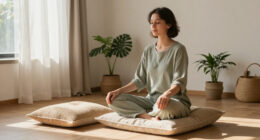
A meditation cushion isn’t just a soft pillow. It’s a firm, supportive platform that lifts your hips and aligns your spine. When you sit on a cushion that molds to your body, pressure on your knees and hips eases away. Imagine sitting cross-legged on a firm, plush cloud that keeps your back straight and relaxed at the same time.
For example, a traditional zafu filled with buckwheat hulls molds to your shape, providing a custom fit. Meanwhile, a zabuton adds a layer of softness underneath, preventing soreness after long sessions. The choice of filling and the firmness of the cushion directly influence how well your body maintains proper alignment and comfort. A too-soft cushion may cause your hips to sink, leading to slouching and discomfort, while a too-firm one might create pressure points. Finding the right balance is key to sustaining longer meditation sessions without distraction.
Why does this matter? Proper support not only prevents physical discomfort but also helps maintain mental focus. When your body is at ease, your mind can settle more quickly and stay engaged longer. Conversely, inadequate support can lead to pain or fatigue, breaking your concentration and shortening your session. The tradeoff often comes down to personal preference: softer cushions may feel more plush but risk instability, while firmer ones offer stability but can be uncomfortable if too rigid. Striking the right balance tailored to your body and practice duration enhances both comfort and mental clarity.
meditation cushion with buckwheat filling
As an affiliate, we earn on qualifying purchases.
As an affiliate, we earn on qualifying purchases.
The Top 4 Types of Meditation Cushions (And Which One Fits You)
Choosing the right cushion depends on your body and meditation style. Here’s a quick rundown of the four main types:
| Cushion Type | Best For | Features |
|---|---|---|
| Zafu | Seated meditation, Zen practice | Round, rises hips, molds to body, filled with buckwheat or foam |
| Zabuton | Extended sitting sessions | Flat, larger surface, cushions hips and knees |
| Bolster | Support in various postures | Cylindrical, firm support, versatile |
| Custom Shapes | Specific needs or ergonomic support | Adjustable, ergonomic designs |
If you’re new, a medium-height zafu paired with a zabuton offers a balanced start. For longer sessions, a bolster might provide extra relief. The key is understanding that each type offers different advantages: zafus promote proper hip elevation and spinal alignment, zabutons extend comfort for longer sitting, bolsters provide support for various postures, and custom shapes cater to individual ergonomic needs. Selecting the right type can significantly influence your ability to maintain focus and avoid discomfort during meditation.
Why does this matter? Different cushions serve different physiological and stylistic needs. For example, a zafu’s elevation helps open the hips, which is beneficial if you have tight hips or want to promote spinal alignment. A zabuton’s larger surface area distributes pressure, reducing soreness during long sessions. Bolsters offer versatile support for postures like reclined or cross-legged sitting, accommodating physical limitations or preferences. Recognizing these differences allows you to tailor your setup, ultimately supporting sustained focus and reducing the risk of discomfort or injury during prolonged practice.
As an affiliate, we earn on qualifying purchases.
What to Look for in a Meditation Mat (Beyond Just Padding)
Meditation mats aren’t all about thickness—they’re about grip, durability, and how they feel under your feet or knees. A good mat keeps you grounded, prevents slips, and resists wear and tear. Imagine stepping onto a textured, non-slip surface that feels secure and steady, even if your practice turns vigorous or your room’s floor is cold.
Choosing the right material impacts your practice’s safety and comfort. For example, a mat with poor grip may cause you to shift or slip unexpectedly, breaking your focus or risking injury. Durability matters because a low-quality mat might wear out quickly, especially with frequent use. The feel of the surface—whether soft, firm, or textured—also influences how grounded you feel during meditation. Materials like natural rubber or organic cotton offer eco-friendly benefits and consistent grip, which are crucial for maintaining stability over time. Thickness should match your practice environment: thinner mats are portable and suitable for travel, while thicker ones provide cushioning for hard floors or outdoor use. Understanding these tradeoffs helps you select a mat that supports your practice sustainably and effectively.
Why does this matter? The right mat not only enhances safety but also influences your mental state. A slip or unstable surface can distract you or cause anxiety, breaking your concentration. Durability ensures your investment lasts, preventing frequent replacements that can disrupt your routine. The feel and grip of the material can also affect your grounding—feeling secure underfoot helps deepen your focus. The tradeoffs involve balancing portability, cushioning, and eco-friendliness; for example, thicker mats offer more comfort but are less portable, while natural materials may be more sustainable but require careful maintenance. Considering these factors ensures your mat complements your practice, supports your safety, and aligns with your values.
As an affiliate, we earn on qualifying purchases.
Frequently Asked Questions
What is the best meditation cushion for beginners?
A medium-height zafu made of buckwheat hulls with a washable cover is ideal. It provides enough lift and support without overwhelming a beginner’s needs.
How do I choose the right cushion or mat for my body?
Consider your height, flexibility, and where you meditate. Taller or less flexible individuals often need higher, firmer cushions. Test different options if possible, or buy from places with good return policies.
Are eco-friendly cushions worth the extra cost?
Yes, they’re safer for your skin, better for the environment, and often more durable. They also align with a mindful lifestyle, supporting your values while enhancing your practice.
How often should I clean my cushion or mat?
Wash removable covers monthly or more often if needed. Spot clean the cushions as necessary. Proper maintenance keeps your meditation space fresh and inviting.
Can I use household items instead of dedicated cushions?
You can, but dedicated cushions are designed to support proper posture and comfort. They help prevent slouching and discomfort better than makeshift solutions like pillows or blankets.
As an affiliate, we earn on qualifying purchases.
Conclusion
Finding the right meditation cushion or mat isn’t just about comfort. It’s about creating a space where your mind can settle, free from physical distraction. When your body feels supported, your focus deepens—like finally settling into a favorite chair after a long day.
So, pick what suits your body and style. Your meditation space is yours—make it as supportive and inviting as possible. Your mind will thank you, one session at a time.
Halloween Picks
halloween
As an affiliate, we earn on qualifying purchases.