TL;DR

Turn your quiet moments into listening time
- Thousands of audiobooks, podcasts and originals
- Listen on your phone, tablet or Echo — also offline
- Cancel anytime
Meditation cushions and mats support better posture and comfort, boosting your focus. Recent trends focus on eco-friendly materials, ergonomic design, and personalization, helping you find the perfect fit.
Ever sat cross-legged for 20 minutes and felt your hips tighten, your back ache, or your mind drift? That’s where a good meditation cushion or mat can make all the difference. These simple tools aren’t just about comfort—they shape your entire experience.
If you’ve ever wondered which cushion suits your body or how recent innovations could upgrade your practice, you’re in the right place. Let’s explore what makes these mats and cushions vital for your meditation journey.
Choose a cushion based on your meditation style, body size, and comfort preferences.
Materials like buckwheat hulls and organic fabrics offer breathability, adjustability, and eco-friendliness.
Recent innovations include ergonomic contouring, removable covers, and added compartments for accessories.
Proper maintenance, like washing covers and sunning fillings, extends your cushion’s life.
Investing in a well-chosen cushion or mat improves your focus, posture, and overall meditation experience.
What Makes a Meditation Cushion or Mat So Important?
A meditation cushion or mat isn’t just a soft surface. It’s a support system. It helps maintain proper posture, reducing strain on your knees, hips, and back. Proper support ensures that your body remains aligned, which is crucial because misalignment can lead to discomfort or pain that distracts from your practice. When your body is supported correctly, you’re less likely to fidget or shift, allowing your mind to settle more easily into meditation.
The choice of cushion impacts your ability to sit comfortably over extended periods. For example, a cushion that is too soft may cause your hips to sink, leading to slouching, which strains your back. Conversely, a cushion that is too firm might create pressure points. Finding the right support fosters a balance between softness and firmness, encouraging a relaxed yet alert posture. This balance is vital because it reduces physical distraction, allowing you to focus inward rather than on bodily discomfort.
From traditional zafus to portable mats, your choice influences not only your comfort but also your consistency and motivation. When your body feels supported, meditation becomes less of a chore and more of a nourishing experience. Over time, this consistency can deepen your practice and enhance its benefits.
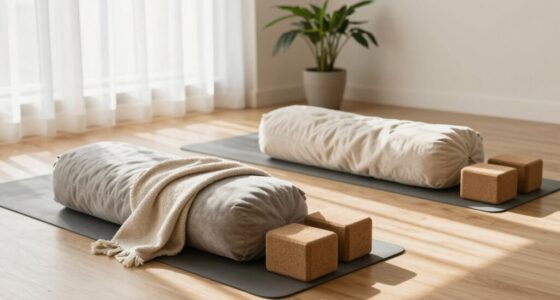
meditation cushion with buckwheat hull filling
As an affiliate, we earn on qualifying purchases.
As an affiliate, we earn on qualifying purchases.
Which Type of Meditation Cushion Fits Your Style?
Choosing the right cushion depends on your meditation style and body. But beyond simple preference, understanding the implications of each type can help you select a support that encourages better posture and longer sessions. For instance, a Zafu, with its rounded shape and buckwheat hull filling, is traditionally used in Zen meditation because it elevates the hips and promotes a cross-legged posture that keeps the spine straight. This shape encourages active engagement of core muscles, which can improve posture over time but might be less comfortable for those with limited flexibility.
On the other hand, a Zabuton provides a larger, flatter surface, distributing weight more evenly, which can reduce pressure on knees and ankles—particularly beneficial for those with joint issues or new meditators. Bolsters are ideal for reclined or kneeling postures, offering support that minimizes strain and allows relaxation without sacrificing alignment. Custom shapes or ergonomic designs often cater to specific postures or ergonomic needs, such as contoured cushions that support the natural curve of your spine or accommodate physical limitations.
Matching these cushion types to your practice isn’t just about comfort; it’s about optimizing your posture and reducing physical barriers to meditation. For example, if you tend to slouch or experience hip tightness, a cushion that elevates and supports your hips can prevent slumping, which otherwise leads to fatigue and distraction. Conversely, if your practice involves longer periods or specific postures, choosing a cushion that encourages stability and comfort becomes even more critical. Ultimately, comfort isn’t superficial—it directly influences your ability to stay focused and present during meditation.
ergonomic meditation mat for back support
As an affiliate, we earn on qualifying purchases.
As an affiliate, we earn on qualifying purchases.
How Materials Affect Comfort, Durability, and Sustainability
Materials make a big difference—literally. The filling and fabric impact how your cushion feels, lasts, and impacts the environment. For example, buckwheat hulls are breathable and adjustable, molding to your shape over time, which helps maintain proper alignment during longer sessions. Their breathability also prevents overheating, a common issue with synthetic fillings, thereby increasing comfort and reducing sweat buildup.
Choosing eco-friendly options like organic cotton, hemp, or recycled fabrics isn’t just about supporting sustainability; it also affects your health. These materials are free from harmful chemicals and pesticides, which can be present in conventional fabrics, especially in cheaper cushions. This can be especially important for sensitive skin or those with allergies. Additionally, natural fibers tend to be more breathable and moisture-wicking, which enhances comfort during extended meditation.
The durability of materials influences your long-term investment. Kapok fiber, for example, is lightweight and plush but resists mold and pests, prolonging the lifespan of your cushion. Bamboo fabric covers are not only eco-conscious but also smooth and resistant to wear, maintaining their appearance and function over time. When selecting materials, consider the trade-offs: natural fibers may require more delicate care but offer superior breathability and sustainability, while synthetic options might be more durable but less eco-friendly. Your choice reflects your values and comfort priorities, shaping your meditation environment for years to come.
organic eco-friendly meditation cushion
As an affiliate, we earn on qualifying purchases.
As an affiliate, we earn on qualifying purchases.
What Are the Latest Trends in Meditation Cushions and Mats?
Innovation is shaping how we sit. Recent trends focus on eco-friendliness and ergonomic design, but they also reflect a deeper understanding of comfort and personalization. For example, adjustable cushions with modular components allow users to customize height and firmness, accommodating various postures and physical needs. Memory foam layers contour to the body, providing tailored support that can reduce pressure points, which is especially beneficial for those with joint issues or chronic pain.
Removable, washable covers made from organic hemp or recycled polyester enable easy cleaning and extend the life of the cushion, making maintenance less of a chore. Some brands incorporate pockets or compartments for malas, water bottles, or personal items, facilitating outdoor or retreat meditation. These features enhance convenience and comfort, encouraging more frequent practice.
Personalization options—such as choosing colors, patterns, or adding custom embroidery—transform a functional object into a reflection of your identity and practice. This trend supports a deeper emotional connection to your meditation space, making the support not just practical but also meaningful. These innovations signify a shift toward more inclusive, eco-conscious, and user-centric designs that make meditation more accessible and enjoyable for everyone.
adjustable meditation cushion for posture
As an affiliate, we earn on qualifying purchases.
As an affiliate, we earn on qualifying purchases.
How to Pick Your Perfect Cushion or Mat — 5 Easy Tips
- Start with your meditation style. Do you sit cross-legged, kneel, or recline? Your style influences the ideal height and support features. For example, cross-legged practitioners benefit from elevation to prevent hips from sinking, while recliners need support that encourages relaxation without compromising spinal alignment.
- Consider your body size and flexibility. Taller or wider individuals often require higher or broader cushions to maintain comfort and proper posture. Ignoring this can lead to slouching or discomfort, which distracts from meditation.
- Test firmness and height. Visiting a store allows you to try different options, but if shopping online, look for retailers with generous return policies. Trying multiple cushions helps you understand what aligns with your body’s needs, leading to more consistent practice and less frustration.
- Think about materials. Prioritize natural, breathable fabrics if you tend to sweat or experience skin sensitivities. Eco-friendly options align with sustainable values and often provide better breathability, which can improve comfort during longer sessions.
- Match your budget. While high-quality cushions can be an investment, they often last longer and support better posture. Remember, a well-chosen cushion that fits your needs can enhance your practice more than a cheaper, ill-suited option, making it a worthwhile investment for your meditation journey.
For example, a petite beginner might opt for a 4-inch buckwheat zafu with an organic cover, while a seasoned practitioner may prefer a contoured cushion with memory foam layers that adapt to their body’s needs. Prioritize comfort and support to ensure your cushion becomes a natural extension of your practice, helping you sit longer and more mindfully.
Cleaning and Caring for Your Meditation Support
Most cushions have removable covers that are machine washable, making maintenance straightforward. Regular cleaning prevents accumulation of dust, oils, and sweat that can degrade materials over time. For example, unzipping the cover and washing on a gentle cycle preserves fabric integrity and maintains a fresh appearance. Air drying is recommended to avoid shrinking or fabric damage.
Filling materials like buckwheat hulls are naturally resistant to mold and pests, but they can accumulate dust or moisture, which can affect comfort and hygiene. Sunning the cushion in direct sunlight periodically helps eliminate moisture and refreshes the filling, prolonging its lifespan. Additionally, vacuuming the interior can remove dust buildup without dismantling the cushion.
Always follow manufacturer instructions, especially for cushions with memory foam or gel layers. Spot cleaning with mild detergent and avoiding excessive moisture prevent damage. Proper care not only extends your cushion’s durability but also ensures a healthy, inviting meditation space that encourages regular practice.
Can I Use Regular Items Instead of Specialized Cushions?
You can, but specialized cushions are designed specifically to support your posture and comfort during meditation. They are ergonomically shaped to promote spinal alignment, prevent pressure points, and facilitate longer, more comfortable sessions. Using regular items like a firm pillow or folded blanket might suffice temporarily, but they often lack the precise contours and breathability that support sustained meditation.
For example, a flat pillow may cause your hips to tilt or your back to slump, leading to discomfort and distraction. Proper cushions distribute pressure evenly, supporting the natural curves of your body, which helps maintain focus and prevents fatigue. They also often feature breathable covers that prevent overheating, a common issue with makeshift supports.
If you’re just starting out or experimenting, a firm pillow or folded blanket can serve as a temporary solution. However, investing in a quality meditation cushion tailored to your needs will significantly improve your comfort, posture, and focus over time, making your practice more sustainable and enjoyable.
Frequently Asked Questions
How do I choose the right height for my meditation cushion?
The ideal height depends on your flexibility and seated posture. Most beginners find 4-6 inches comfortable, but taller or less flexible individuals may prefer 6-8 inches for better hip elevation and comfort. Choosing the correct height is essential because it directly influences your spinal alignment and comfort. Too low, and your hips and knees may strain; too high, and your hips may lift excessively, causing imbalance. Experimenting with adjustable cushions or layering supports can help you find the sweet spot that maintains a natural, relaxed posture, which is key to sustaining focus and avoiding discomfort during meditation.
Are eco-friendly cushions really better for the environment?
Yes, cushions made from natural, organic, or recycled materials tend to have a lower environmental impact because they avoid synthetic chemicals, reduce waste, and often require less energy to produce. They also tend to biodegrade more easily at the end of their life cycle. Beyond environmental benefits, these materials typically support healthier indoor air quality, as they contain fewer volatile organic compounds (VOCs). Choosing eco-friendly cushions aligns with a holistic approach to well-being—supporting your health and the planet simultaneously. However, it’s important to consider the entire lifecycle, including manufacturing practices and durability, to truly assess their environmental footprint.
Can I wash my meditation cushion or mat at home?
Most covers are designed to be removable and washable at home—usually with gentle cycles and mild detergents. Regular cleaning prevents dust, sweat, and oils from building up, which can degrade materials and cause odors over time. For fillings like buckwheat hulls, sunning the cushion in direct sunlight helps eliminate moisture, bacteria, and pests, effectively refreshing the filling without dismantling the cushion. Always check the manufacturer’s instructions, especially for cushions with memory foam or gel layers, which may require spot cleaning or specific care. Proper maintenance ensures your cushion remains hygienic, comfortable, and durable, supporting a healthy meditation environment.
What should I do if my cushion feels too firm or soft?
If your cushion feels too firm, you can add or adjust fillings, or choose a model with adjustable firmness features. If it’s too soft, consider adding a firmer layer, such as a thin mat underneath, or selecting a cushion with denser filling. The goal is to find a balance where your hips and back are supported without creating pressure points or causing slouching. Remember, comfort isn’t just about softness; it’s about fostering proper alignment and stability. Investing time in testing different options ensures your support promotes sustained focus and prevents discomfort, making your meditation practice more effective and enjoyable.
Conclusion
Finding the right meditation cushion or mat isn’t just about comfort; it’s about creating a space where your practice can flourish. With so many options—traditional, eco-friendly, ergonomic—you can tailor your support to your needs.
Remember, your cushion should feel like a natural extension of your body and mind. When it does, meditation becomes easier, more inviting, and truly yours. So, pick one that calls to you, and let it support your journey inward.
Fall Picks
fall essentials
As an affiliate, we earn on qualifying purchases.