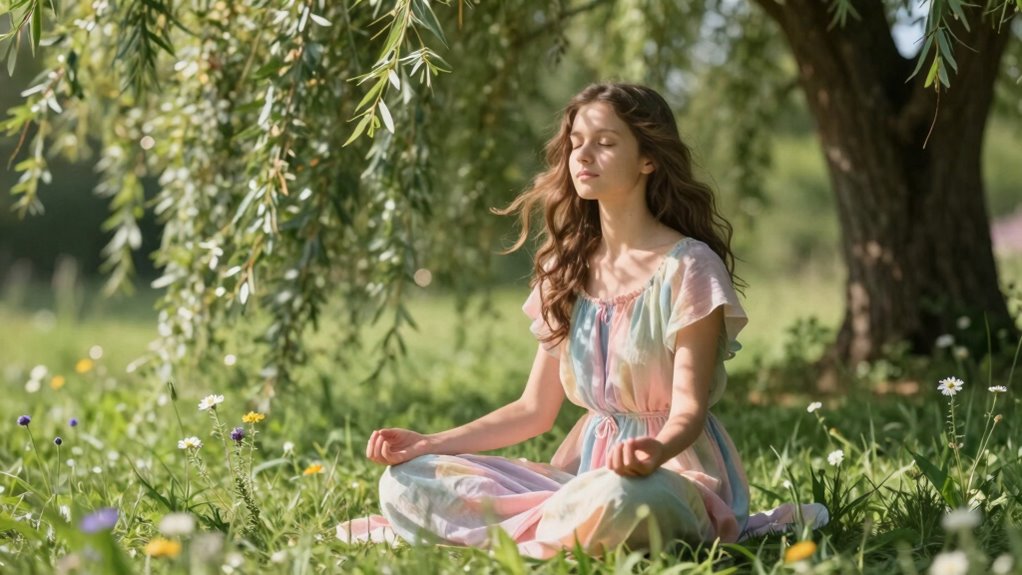

You can heal childhood wounds through meditation by intentionally reconnecting with your inner child. Find a quiet, safe space and visualize your younger self, offering reassurance with affirmations like “You are safe” or “You are loved.” As you explore memories without judgment, acknowledge hidden emotions and validate your experiences. This practice helps release old pain and builds inner resilience. By continuing this journey, you’ll discover deeper ways to nurture yourself and transform past hurt into strength.

Turn your quiet moments into listening time
- Thousands of audiobooks, podcasts and originals
- Listen on your phone, tablet or Echo — also offline
- Cancel anytime
Key Takeaways
- Use visualization techniques to connect with and reassure your inner child during meditation.
- Create a safe, nurturing environment to facilitate emotional release and healing.
- Practice affirmations like “You are safe” and “You are loved” to support inner child validation.
- Explore childhood memories without judgment to acknowledge and release suppressed emotions.
- Regular meditation fosters emotional resilience, self-awareness, and long-term inner healing.
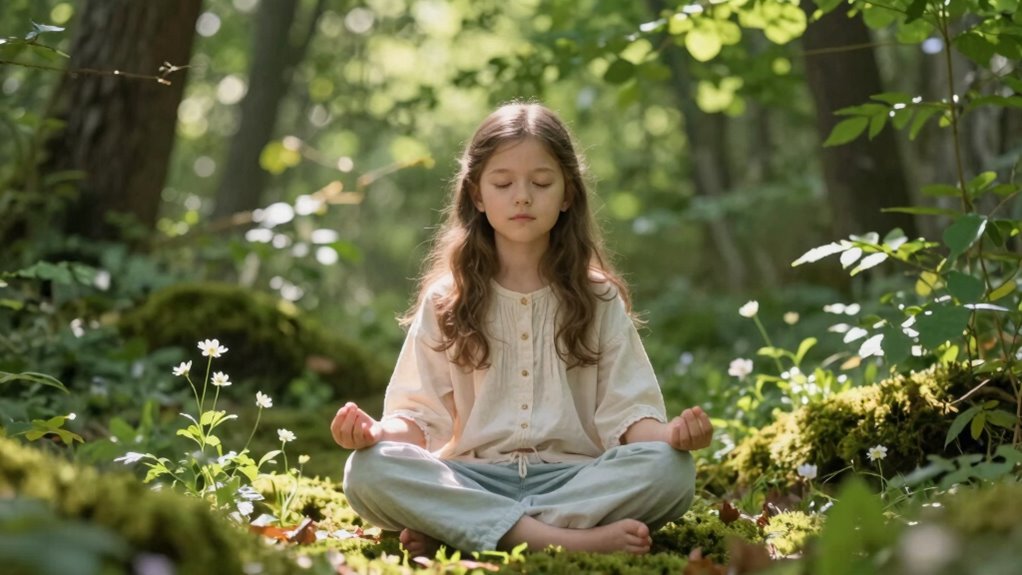
Have you ever wondered how reconnecting with your childhood self can bring healing and peace? It’s a powerful question because your childhood memories hold more than just nostalgic moments—they carry emotional weight that shapes how you see yourself today. During meditation, you can intentionally access these memories, opening a door to understanding and healing. When you gently explore your past, you allow yourself to witness those moments without judgment, creating space for emotional release. This process isn’t about reliving pain, but about acknowledging what’s been stored deep inside, often hidden beneath layers of defense and distraction. As you meditate, you start to notice feelings surfacing—sadness, anger, fear, or loneliness—that might have been suppressed for years. Recognizing these emotions is the first step toward releasing them, which can be incredibly freeing. Emotional release during meditation helps you to validate your childhood experiences, giving voice to feelings that may have been neglected or dismissed. This act of acknowledgment shows compassion toward your younger self, fostering an inner environment of safety and acceptance. It’s in this safe space that healing begins to take root, allowing you to transform old wounds into sources of strength. As you sit quietly, you might visualize your younger self, offering comfort and reassurance, repeating affirmations like “You are safe now” or “You are loved.” Through this visualization, your inner child feels seen, heard, and validated—key elements for healing. The more you practice, the easier it becomes to access these childhood memories and to process the emotions tied to them. Incorporating visualization techniques can enhance your ability to connect with your inner child more deeply. Creating a safe and supportive environment during meditation also plays a crucial role in facilitating emotional release and healing. Research indicates that mindful awareness during meditation can significantly amplify emotional processing and resilience. Additionally, understanding the importance of mindfulness in emotional regulation can deepen your meditation experience, helping you stay present with difficult feelings. Over time, emotional release becomes more natural, helping you to shed lingering pain and limiting beliefs carried from childhood. With each meditation session, you’re rewiring your emotional landscape, replacing old patterns with compassion and understanding. This ongoing practice allows you to build a stronger, more nurturing relationship with yourself. Reconnecting with your childhood memories through meditation isn’t just about remembering the past; it’s about transforming it. You learn to hold space for your emotions, release what no longer serves you, and embrace your inner child with kindness. This healing journey empowers you to move forward with greater self-awareness, resilience, and peace—knowing that you’ve given yourself the gift of genuine emotional liberation. Additionally, understanding the importance of color accuracy in visualizing and creating a safe, comforting environment can enhance your meditation practice, making the experience more vivid and healing.
guided meditation for inner child healing
As an affiliate, we earn on qualifying purchases.
As an affiliate, we earn on qualifying purchases.
Frequently Asked Questions
Can Meditation Alone Fully Heal Childhood Trauma?
Meditation alone can’t fully heal childhood trauma, but it’s a powerful tool. It helps you access childhood memories and encourages emotional release, which are essential steps in healing. By practicing regularly, you can process unresolved feelings and develop inner compassion. However, combining meditation with therapy or support groups often leads to deeper healing. Remember, healing is a journey, and meditation is a valuable part of that process.
How Long Should I Meditate for Inner Child Healing?
You should meditate for at least 10 to 20 minutes daily, focusing on guided visualization to connect with your inner child. Consistency is key, so you might extend sessions as you feel more comfortable. During meditation, allow yourself emotional release, acknowledging feelings that surface. Over time, longer sessions can deepen healing, but what matters most is regular practice and being gentle with yourself throughout the process.
Is Prior Meditation Experience Necessary for This Practice?
Prior meditation experience isn’t necessary for inner child healing practices. These meditations are designed to be beginner-friendly and accessible, with simple instructions that anyone can follow. You don’t need meditation prerequisites like prior expertise or specific techniques. Just approach the practice with an open mind, patience, and willingness to connect with your inner child. This makes the process suitable for beginners and those new to meditation, helping you heal and nurture yourself effectively.
Can Meditation Help With Deep-Seated Emotional Wounds?
Can meditation truly help heal deep-seated emotional wounds? Absolutely. Through imagery techniques, you can access and reframe painful memories, fostering emotional release. By visualizing a safe space or comforting figure, you gently confront unresolved feelings. This process encourages healing from within, allowing you to process emotions that might seem buried. Consistent meditation creates a nurturing environment for inner healing, helping you gradually release long-standing pain and foster emotional resilience.
Are There Any Risks Involved in Inner Child Meditation?
Yes, there are risk factors to take into account with inner child meditation. It can bring up intense emotions, so you might feel overwhelmed or temporarily destabilized. To guarantee emotional safety, start slowly and think about working with a therapist or guide experienced in inner child work. Be mindful of your limits, and stop if you feel distressed. Prioritizing emotional safety helps you explore healing without risking further emotional harm.
inner child visualization meditation
As an affiliate, we earn on qualifying purchases.
As an affiliate, we earn on qualifying purchases.
Conclusion
As you continue your journey inward, remember that healing your inner child is like tending to a fragile garden buried beneath years of neglect. With each meditation, you nurture seeds of love and forgiveness, allowing them to blossom into strength and wholeness. Trust that, just as the dawn follows night, your inner light will shine brighter, illuminating the path to peace and self-compassion. Embrace this process, and watch your true self emerge anew.
affirmation cards for self-love and healing
As an affiliate, we earn on qualifying purchases.
As an affiliate, we earn on qualifying purchases.
emotional release meditation tools
As an affiliate, we earn on qualifying purchases.
As an affiliate, we earn on qualifying purchases.
Halloween Picks
halloween
As an affiliate, we earn on qualifying purchases.