

Morning meditation helps you start the day with clarity, focus, and a positive mood, preparing you to handle challenges confidently. Evening meditation, on the other hand, helps you unwind, release stress, and improve sleep quality after a busy day. Both times offer unique benefits that suit different needs—whether you want mental sharpness or better rest. Choosing the right time depends on your goals, but combining both can give you all-encompassing emotional and mental support. Keep exploring to discover how to make it work for you.
Key Takeaways
- Morning meditation boosts mental clarity and energy, setting a positive tone for the day.
- Evening meditation helps unwind, reduce stress, and improve sleep quality.
- The best time depends on personal goals: clarity and focus or relaxation and emotional processing.
- Combining both practices offers comprehensive mental and emotional benefits.
- Consistency and personal lifestyle are more important than the specific time of day.

Have you ever wondered whether meditating in the morning or evening makes a bigger difference in your day? The truth is, both times offer unique benefits, and your choice largely depends on your personal goals and schedule. When you engage in a mindfulness practice in the morning, you set a calm, focused tone for the day. Morning meditation can help you clear your mind before daily distractions take over, giving you mental clarity that lasts through the hours ahead. It’s like resetting your mental state, so you’re better equipped to handle stress, stay present, and make thoughtful decisions. Starting your day with meditation can also boost your mood and energy levels, making it easier to face challenges with a sense of calm and confidence.
Morning meditation sets a calm, focused tone, boosting clarity, mood, and energy for the day ahead.
In contrast, evening meditation provides a different set of advantages. It serves as a mental wind-down, helping you release the stresses accumulated throughout the day. When you meditate in the evening, you’re giving yourself a dedicated time to reflect and unwind, which can lead to better sleep and a more restful night. This relaxation effect can deepen your mindfulness practice, helping you become more aware of your thoughts and feelings without judgment. Evening meditation offers an opportunity to pause, evaluate your day, and cultivate a sense of gratitude or acceptance. It’s a way to clear your mind of lingering worries so you can transition into restful sleep, feeling more centered and less anxious. Incorporating mindfulness into your routine can enhance your overall well-being and resilience to stress. Developing a consistent meditation routine can further deepen these benefits over time. Additionally, establishing a meditation schedule that suits your lifestyle can help make your practice more sustainable and effective. Regular practice, especially when paired with mental clarity, can lead to profound changes in your emotional health and overall outlook. Adding intentional breathing exercises during your meditation can further amplify these benefits, helping you relax more deeply and stay present.
Choosing between morning and evening meditation depends on what you want to achieve. If your goal is to enhance mental clarity and set a positive tone for the day, morning meditation is the way to go. It primes your mind to stay present and focused, giving you a mental edge. On the other hand, if you seek to deepen your mindfulness practice and improve your sleep quality, evening meditation might be more beneficial. It allows you to process your day’s experiences, let go of stress, and enter a state of relaxation.
Ultimately, neither is better universally; it’s about what fits your lifestyle and resonates with your needs. Some people even find that combining both times offers the most comprehensive benefits. You might start your day with a brief session to cultivate clarity and finish it with a calming meditation to unwind. Whatever you choose, consistency is key. Regular practice, whether morning or evening, can bring lasting improvements in your mental well-being, helping you stay more present and centered throughout your life.
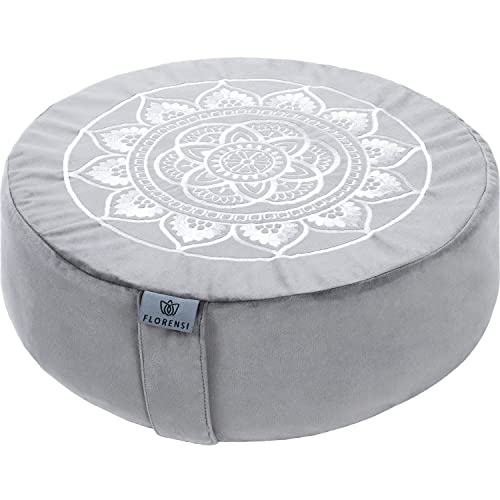
Florensi Meditation Cushion – Large, Grey, Velvet Cover, Buckwheat Fill, Posture Alignment & Meditation Pillow, Versatile Couch & Sofa Cushion, Eco-Friendly Buckwheat Fill & Floor Seating
Mindful Comfort: Enhance your meditation practice with the Florensi Meditation Cushion, a luxurious addition to your zen decor….
As an affiliate, we earn on qualifying purchases.
As an affiliate, we earn on qualifying purchases.
Frequently Asked Questions
Can Meditation Improve Sleep Quality?
Yes, meditation can improve sleep quality by promoting sleep enhancement and reducing stress. When you meditate regularly, you calm your mind and relax your body, making it easier to fall asleep and stay asleep. It helps lower cortisol levels and eases anxiety, which often interfere with restful sleep. Incorporating meditation into your nightly routine can create a peaceful shift to sleep, ultimately improving your overall sleep quality and daytime energy.
How Long Should Each Session Last?
They say, “Less is more,” and that’s true for meditation session duration. For most, a ideal length is 10 to 20 minutes, but it varies based on your experience and schedule. Starting with shorter sessions allows you to build consistency. Focus on quality over quantity, and gradually increase your session duration as you become more comfortable. Consistent practice matters more than perfect timing.
Is Meditation Suitable for Beginners at Any Time?
Yes, meditation is suitable for beginners at any time. Starting with simple meditation techniques, like beginner mindfulness exercises, helps you build a habit. Whether you choose morning or evening, the key is consistency. As you become more comfortable, you can explore different meditation techniques to find what best fits your routine. Remember, the best time to meditate is when you feel most relaxed and can dedicate a few quiet moments to yourself.
What Are Common Challenges Faced During Meditation?
Many beginners face distraction management and struggle with posture alignment during meditation. Studies show that over 50% of new meditators find staying focused challenging. You might get easily distracted or slouch, which hampers your practice. To overcome these challenges, practice mindful breathing and set up a comfortable posture. Regularly reminding yourself to stay present and aligning your spine can improve your meditation experience, making it more effective and enjoyable.
Does Meditation Impact Daily Productivity?
Yes, meditation can boost your daily productivity by enhancing your focus and clarity. By practicing mindfulness benefits, you train your mind to stay present, reducing distractions. Meditation also promotes stress reduction, helping you manage daily pressures better. When you incorporate regular meditation into your routine, you’ll likely notice improved decision-making and efficiency, making your day smoother and more productive.

Ultimate Health and Wellness Gift Set: Premium 4-CD Set of Guided Meditations for Better Sleep, Stress Management, Relaxation and Weight Loss by Bonnie Groessl
GUIDED MEDITATION CD GIFT SET – This comprehensive set contains all of the popular guided meditations offered by…
As an affiliate, we earn on qualifying purchases.
As an affiliate, we earn on qualifying purchases.
Conclusion
Choosing between morning and evening meditation depends on what fits your lifestyle and goals. Studies show that 65% of meditators find morning sessions boost their focus, while 35% prefer evening to unwind. If you want to start your day with clarity, morning meditation might be your best bet. But if you seek relaxation after a busy day, evening meditation can help you unwind. Try both to see which fits your rhythm and enhances your well-being.

Breathing Pal Mini 'Yoyo' – Mindfulness Breathing Light, Guided Visual Meditation Breathing Light, Anxiety Relief Items for Calm Down Corner/Meditation/Sleep Aid for Adult/Kid
3 GUIDED BREATHING MODES WITH LIGHT CUES: Practice mindfulness with three effective techniques: 4-7-8 for anxiety relief, 5-5…
As an affiliate, we earn on qualifying purchases.
As an affiliate, we earn on qualifying purchases.

BetterSleep: Relax & sleep with calm sounds and meditations
Over 300 Sounds & Music: Nature sounds, ASMR sounds, White noise, Water sounds, Meditation music, Isochronic Brainwaves, Binaural…
As an affiliate, we earn on qualifying purchases.
As an affiliate, we earn on qualifying purchases.