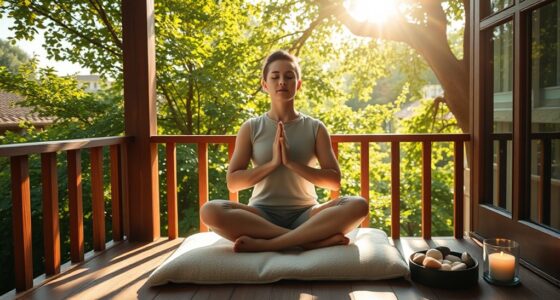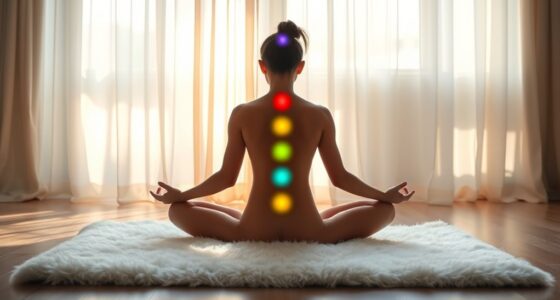
Using meditation to enhance self-awareness involves focusing on the present moment through practices like mindful breathing and body scans. As you meditate regularly, you’ll notice subtle shifts in your thoughts, feelings, and sensations, helping you understand your emotional patterns and triggers better. This awareness enables you to respond thoughtfully rather than react impulsively. By cultivating compassion and curiosity, you’ll deepen your self-knowledge and resilience. Keep exploring this journey to open the full benefits of mindful self-awareness.
Key Takeaways
- Regular meditation cultivates self-awareness by helping you notice subtle thoughts, feelings, and bodily sensations as they occur.
- Mindfulness practices anchor attention to the present moment, reducing distraction and increasing awareness of emotional fluctuations.
- Meditation enhances emotional regulation skills, enabling better management of responses to challenging situations.
- Practicing non-judgmental observation during meditation deepens understanding of internal patterns and personal needs.
- Consistent meditation fosters personal growth, self-compassion, and the ability to make intentional, mindful choices.

Meditation offers a powerful way to deepen your understanding of yourself by cultivating greater self-awareness. When you commit to regular practice, you start to notice subtle shifts in your thoughts, feelings, and bodily sensations. This awareness isn’t just about observing your mind; it’s about developing a compassionate curiosity that allows you to see patterns and triggers more clearly. One effective method to achieve this is through mindfulness practices, which anchor your attention to the present moment. By focusing on your breath, sensations, or sounds around you, you create a steady point of reference that keeps your mind from wandering into distraction or rumination. Over time, this sustained attention helps you recognize emotional fluctuations as they occur, giving you the chance to respond rather than react impulsively. Additionally, understanding the importance of mental health emphasizes how regular meditation can support emotional stability and overall well-being.
Mindfulness practices serve as a foundation for emotional regulation, an essential aspect of self-awareness. When you’re aware of your emotions as they arise, you can better manage how you respond to challenging situations. For example, instead of reacting with anger or frustration, you learn to pause, acknowledge your feelings, and choose a more constructive response. This process strengthens your ability to regulate emotions, reducing stress and promoting mental clarity. Meditation trains your mind to become more receptive to these emotional cues, helping you identify underlying causes rather than just surface reactions. As you become more skilled at emotional regulation, you also develop greater resilience, which supports healthier relationships and improved well-being.
Mindfulness enhances emotional regulation, fostering resilience, healthier relationships, and greater mental clarity.
Practicing meditation regularly enhances your capacity to observe your inner world without judgment. When you notice thoughts or feelings during meditation, you’re practicing a form of emotional regulation that extends beyond the cushion. This increased awareness allows you to catch negative thought patterns early and gently redirect your focus. Over time, you’ll find it easier to recognize emotional triggers in daily life, giving you a moment to choose a mindful response instead of falling into automatic reactions. This ongoing process of self-monitoring and regulation deepens your self-knowledge, making you more attuned to your needs and boundaries.
Ultimately, meditation’s focus on mindfulness practices and emotional regulation creates a cycle of insight and growth. As you become more aware of your internal landscape, you develop a stronger sense of who you are and what influences your behaviors. This self-awareness empowers you to make intentional choices, foster compassion for yourself, and cultivate a greater sense of calm amid life’s inevitable ups and downs. Through consistent practice, meditation becomes a crucial tool for understanding yourself more profoundly and living more intentionally.

Retrospec Sedona Zafu Meditation Cushion Filled w/Buckwheat Hulls – Yoga Pillow for Meditation Practices – Machine Washable 100% Cotton Cover & Durable Carry Handle, Crescent, Black
NATURAL COMFORT & SUPPORT: Filled with sustainable buckwheat hulls, this meditation cushion elevates your practice by aligning your…
As an affiliate, we earn on qualifying purchases.
As an affiliate, we earn on qualifying purchases.
Frequently Asked Questions
How Long Should I Meditate Daily for Self-Awareness?
You should meditate for about 10 to 20 minutes daily to boost self-awareness, focusing on mindfulness duration that feels comfortable. Consistency matters more than length, so aim for daily practice rather than occasional long sessions. Over time, even short, regular meditation helps you become more aware of your thoughts and feelings, enhancing self-awareness. Keep it simple and steady, and you’ll likely notice positive changes in your self-understanding.
Can Meditation Replace Therapy for Emotional Growth?
In a world where alchemy was once believed possible, you might wonder if meditation can replace therapy for emotional growth. While meditation’s efficacy in boosting mindfulness is well-documented, it doesn’t fully substitute traditional therapy. Mindfulness helps you manage stress and increase self-awareness, but therapy offers deep, personalized insights. Combining both approaches often yields the best results, allowing you to grow emotionally with a balanced, holistic approach.
What Are Common Obstacles in Developing Self-Awareness Through Meditation?
You might face mindfulness challenges like wandering thoughts and concentration difficulties when developing self-awareness through meditation. These obstacles can make it hard to stay present and fully engage in your practice. To overcome them, try focusing on your breath or a specific sensation, and be patient with yourself. Consistent practice helps improve your focus over time, making self-awareness more accessible and rewarding.
Is Meditation Suitable for People With Mental Health Issues?
Meditation can be suitable for people with mental health issues, but you should consider mental health considerations first. Some might find certain practices triggering, so exploring meditation adaptations designed for mental health can help you feel more comfortable. It’s important to consult with a mental health professional before starting, and they can guide you toward techniques that support your well-being without causing distress.
How Do I Know if I Am Meditating Correctly?
You’ll know you’re meditating correctly when you maintain mindfulness and consistency in your practice. Focus on your posture alignment to keep your body relaxed yet alert. If your thoughts wander, gently bring your attention back without judgment. Remember, there’s no perfect way—regular practice and staying present are key. Over time, you’ll notice increased self-awareness and a calmer mindset, showing you’re on the right track.
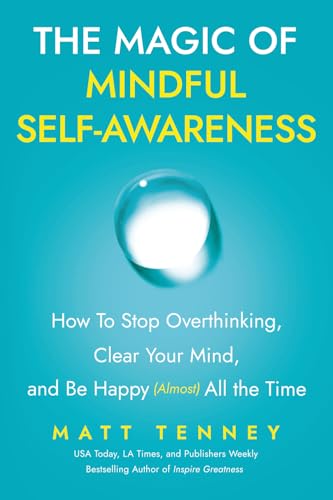
The Magic of Mindful Self-Awareness: How To Stop Overthinking, Clear Your Mind, and Be Happy (Almost) All the Time
As an affiliate, we earn on qualifying purchases.
As an affiliate, we earn on qualifying purchases.
Conclusion
By practicing meditation regularly, you can boost your self-awareness and improve your overall well-being. Did you know that studies show meditation can increase gray matter in the brain, enhancing emotional regulation and self-perception? As you cultivate mindfulness, you’ll gain clearer insights into your thoughts and feelings, making it easier to navigate life’s challenges. So, start incorporating meditation into your daily routine—you might just discover a deeper understanding of yourself and access your full potential.

Gratitude: A Day and Night Reflection Journal (Inner World)
As an affiliate, we earn on qualifying purchases.
As an affiliate, we earn on qualifying purchases.
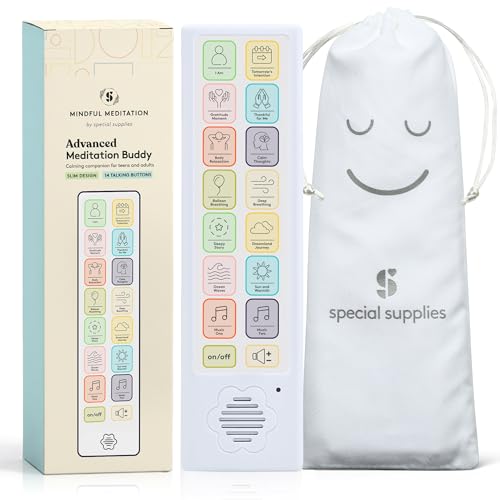
Special Supplies Meditation Buddy – Screen-Free Mindfulness & Breathing Device for Stress Relief, Daily Meditation, Anxiety Relief, Calm Focus & Emotional Balance for Kids and Adults (Adults)
Screen-Free Mindfulness Tool – Enjoy guided meditation, calm breathing, and daily mindfulness without apps, phones, or distractions. Perfect…
As an affiliate, we earn on qualifying purchases.
As an affiliate, we earn on qualifying purchases.