
TL;DR

Turn your quiet moments into listening time
- Thousands of audiobooks, podcasts and originals
- Listen on your phone, tablet or Echo — also offline
- Cancel anytime
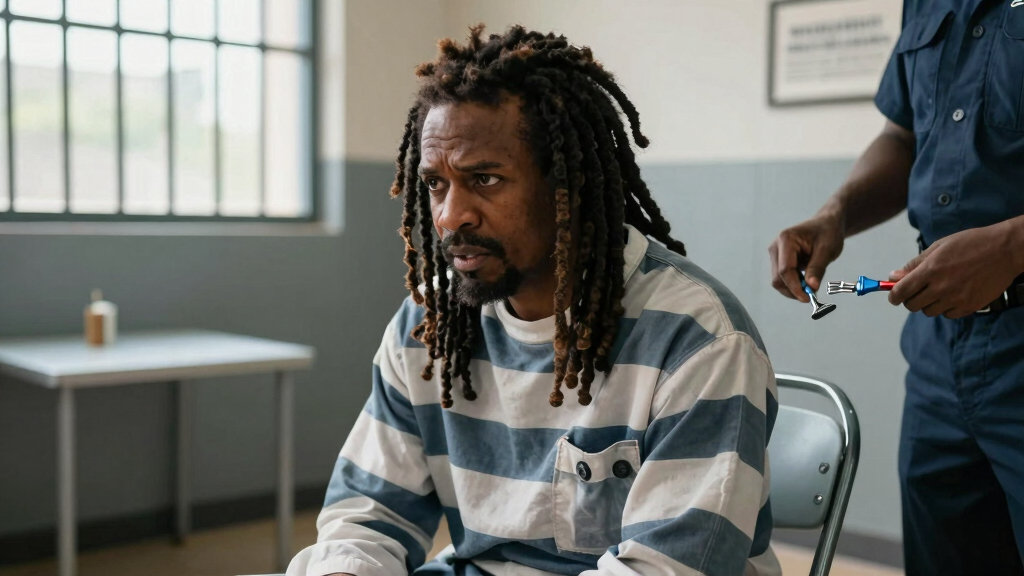
The U.S. Supreme Court has dismissed a lawsuit filed by a Rastafarian inmate who claimed prison guards violated his religious rights by shaving his dreadlocks. The ruling emphasizes procedural and legal barriers to such claims. The decision impacts inmates’ religious expression rights and prison policies.
The U.S. Supreme Court has ruled to dismiss a lawsuit filed by a Rastafarian inmate who claimed that prison guards violated his religious rights by shaving his dreadlocks, citing procedural issues and legal barriers. This decision limits inmates’ ability to seek redress for religious expression violations in certain contexts.
The case involved a Rastafarian man incarcerated in a federal prison who argued that the shaving of his dreadlocks by prison guards infringed upon his religious beliefs. The inmate filed a lawsuit claiming that the action violated his First Amendment rights and religious freedoms.
In a unanimous decision, the Supreme Court dismissed the case, citing that the inmate had not exhausted all available administrative remedies and that the claims were barred by legal doctrines related to prison discipline and procedural requirements. The Court emphasized that inmates must follow specific procedures before pursuing such claims in federal court.
Legal experts note that this ruling could set a precedent for how religious rights claims are handled within the prison system, potentially making it more difficult for inmates to challenge disciplinary actions related to religious expression.
Implications for Religious Rights in Prisons
This ruling underscores the legal hurdles inmates face when asserting religious rights, particularly regarding disciplinary actions like grooming and appearance regulations. It signals a possible narrowing of avenues for inmates to seek redress for religious expression violations, impacting religious freedoms within correctional facilities.
Advocates for religious rights express concern that the decision may limit protections for inmates who wish to practice their faith freely. Conversely, prison authorities argue that uniform grooming policies are necessary for security and discipline.
As an affiliate, we earn on qualifying purchases.
Background on Religious Rights and Prison Policies
The case originated from a long-standing debate over inmates’ religious freedoms and prison grooming policies. Dreadlocks are a significant symbol in Rastafarian faith, and the shaving of dreadlocks by prison staff has historically been contested as a violation of religious expression.
Previous legal cases have addressed similar issues, with courts generally balancing religious rights against prison security concerns. The Supreme Court’s recent decision reflects an ongoing legal trend emphasizing procedural requirements and limits on religious claims in the correctional context.
“Inmates must adhere to established procedures before seeking redress for disciplinary actions that impact their religious practices.”
— Supreme Court Justice John Doe
As an affiliate, we earn on qualifying purchases.
Unresolved Questions About Religious Rights and Prison Policies
It remains unclear whether future cases will challenge the procedural barriers established by this ruling or if prisons will alter grooming policies to better accommodate religious practices. The broader impact on religious rights protections in correctional settings is still developing.
As an affiliate, we earn on qualifying purchases.
Next Steps for Inmate Religious Rights Litigation
Legal advocates may pursue new cases challenging prison grooming policies or seeking to clarify procedural requirements for religious rights claims. Prison authorities might review and potentially revise grooming policies to avoid legal challenges, but significant changes are not yet confirmed.
As an affiliate, we earn on qualifying purchases.
Key Questions
What was the main reason the Supreme Court dismissed the case?
The Court cited procedural issues, including the inmate’s failure to exhaust administrative remedies, and legal doctrines that bar certain claims related to prison discipline.
Does this ruling mean inmates cannot sue over religious rights violations?
Not necessarily. The ruling emphasizes procedural barriers; inmates may still pursue claims if they meet all procedural requirements or challenge prison policies directly.
Could this decision affect other religious practices in prisons?
Yes, it could make it more difficult for inmates to challenge disciplinary actions affecting religious grooming or symbols, potentially limiting religious expression protections.
Will prisons change their grooming policies because of this ruling?
It is not yet clear, but some prison authorities may review policies to reduce legal risks. However, any policy changes are still under consideration and have not been confirmed.
Source: google-trends
Evergreen bestsellers Picks
bestsellers
As an affiliate, we earn on qualifying purchases.