

You can tell intuition from fear by noticing how each feels in your body and mind. Intuition is calm, steady, and provides gentle guidance based on subconscious patterns, while fear triggers strong, urgent reactions like a racing heart and a sense of panic. Fear often distorts your perception, pushing you toward avoidance, whereas intuition supports clear decisions. To deepen your understanding, explore how recognizing these signals can help you make more authentic choices.

Turn your quiet moments into listening time
- Thousands of audiobooks, podcasts and originals
- Listen on your phone, tablet or Echo — also offline
- Cancel anytime
Key Takeaways
- Intuition feels calm, steady, and trusting, while fear produces urgent, overwhelming emotional reactions.
- Intuition arises from subconscious pattern recognition; fear is a response to perceived threats or danger.
- Intuitive feelings are subtle and persistent; fear triggers loud, immediate responses like panic.
- Intuition guides with gentle certainty; fear prompts impulsive actions and avoidance.
- Recognizing bodily and emotional cues helps distinguish between calm insight and overwhelming fear.
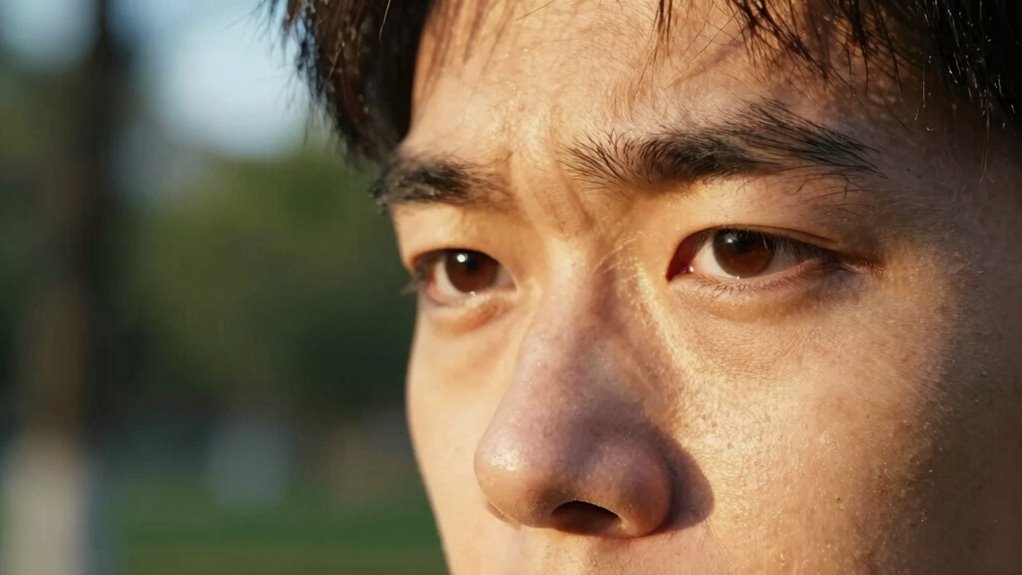
Sometimes, the line between intuition and fear can feel blurry, making it hard to tell which one is guiding your decisions. Your emotional responses play a significant role in this confusion because both intuition and fear stem from deep-seated feelings. When you face a tough choice, your mind quickly processes these emotional signals, influencing your decision-making processes. But understanding the subtle differences can help you make clearer, more confident choices.
Intuition often feels like an inner knowing—an almost instinctive sense that something is right or wrong without needing to analyze every detail. It’s usually calm and steady, arising from accumulated experiences and subconscious pattern recognition. When your intuition is guiding you, your emotional responses tend to be balanced and measured. You might notice a gentle sense of certainty, a quiet voice telling you to move forward or hold back, all without overwhelming anxiety or fear. This kind of emotional response encourages trust in your gut and helps you navigate decisions with a sense of clarity. Recognizing how emotional responses originate from your subconscious can further enhance your ability to distinguish between genuine insight and fear. Developing awareness of emotional triggers can also help you identify when your feelings are rooted in fear rather than intuition. Exploring how neuroscience explains emotional reactions can provide additional insights into why certain feelings arise in specific situations, aiding in better discernment.
Intuition feels like calm, steady knowing—guiding you with gentle certainty and balanced emotions.
Fear, on the other hand, tends to produce a stronger, more urgent emotional response. It often manifests as a racing heart, sweaty palms, or a tight chest. When fear influences your decision-making processes, your mind tends to focus on potential threats or negative outcomes. Instead of calm insight, your emotional response becomes amplified with worry or dread. Fear can distort your perception, making risks seem larger than they are, and it often pushes you toward avoidance or impulsive actions designed to eliminate discomfort. Recognizing this emotional response as fear rather than intuition is essential because it allows you to pause and assess whether your reaction is based on actual evidence or just a survival instinct kicking in.
Additionally, understanding how projector technology influences visual perception and emotional responses can help you create environments that foster calm and clarity. When you’re trying to distinguish between the two, pay attention to how your body and mind respond. An intuitive feeling usually emerges quietly and consistently, even if it’s subtle. It doesn’t create a sense of panic but instead offers a gentle guidance. Fear, however, tends to be loud and overwhelming, often prompting immediate reactions rooted in self-preservation. Over time, learning to differentiate these emotional responses can strengthen your decision-making processes, helping you trust your inner voice without falling prey to unnecessary anxiety. When you’re aware of your emotional responses, you can better gauge whether your decision is driven by genuine insight or driven by fear, leading to more balanced and authentic choices. Recognizing these patterns can empower you to respond more deliberately and with greater confidence.
As an affiliate, we earn on qualifying purchases.
Frequently Asked Questions
Can Intuition and Fear Occur Simultaneously?
Yes, intuition and fear can occur simultaneously, creating emotional overlap that influences your decision making. When you face a tough choice, your gut feeling might clash with fear-driven thoughts, making it hard to distinguish between genuine instincts and emotional reactions. Recognizing this overlap helps you pause, assess whether your intuition guides you or fear clouds your judgment, leading to clearer, more balanced decisions.
How Can I Tell if My Gut Feeling Is Accurate?
You can tell if your gut feeling is accurate by trusting your instincts and paying attention to your emotional awareness. Notice if your intuition feels calm and clear, or if it’s accompanied by fear or doubt. Trust that genuine intuition often brings a sense of reassurance, while fear tends to create anxiety or hesitation. By practicing mindfulness and tuning into your emotions, you’ll become better at distinguishing true instincts from fear-based reactions.
Does Fear Always Indicate Danger or Risk?
Fear is like a warning light, but it doesn’t always mean danger is imminent. It’s your emotional response based on risk perception, which can sometimes overreact or misjudge a situation. While fear often signals real risks, it can also be triggered by imagination or past experiences. So, fear doesn’t always indicate actual danger, but it’s worth examining whether your emotional response aligns with the real risk before acting.
Can Intuition Be Learned or Improved?
Yes, you can learn and improve your intuition. By paying close attention to your subconscious signals and cultivating emotional awareness, you become more attuned to subtle cues. Practice mindfulness and reflection to strengthen this skill, helping you distinguish genuine intuition from fear. Over time, you’ll trust your instincts more confidently, making better decisions based on an enhanced understanding of your inner feelings and subconscious messages.
How Do Cultural Differences Affect Perception of Fear and Intuition?
Cultural differences profoundly influence how you perceive fear and intuition. Cultural expressions shape what triggers fear and how you interpret intuitive feelings, leading to perception variations across societies. For example, some cultures view intuition as a spiritual guide, while others see it as instinct. Your perception of fear and intuition depends on these cultural cues, which can either amplify or diminish your emotional responses, affecting decision-making and emotional awareness.
emotional awareness meditation app
As an affiliate, we earn on qualifying purchases.
As an affiliate, we earn on qualifying purchases.
Conclusion
So, next time you’re faced with a gut feeling or a wave of fear, remember: your intuition is like a superpower, guiding you through the darkness with a flashlight that never fails. Fear? That’s just a tiny, sneaky whisper trying to trick you into hiding in the shadows. Trust your intuition—it’s the mighty superhero that can move mountains. Ignore fear, and you’ll access a world of endless possibilities beyond your wildest dreams!
mindfulness and emotional regulation book
As an affiliate, we earn on qualifying purchases.
As an affiliate, we earn on qualifying purchases.
decision-making guided meditation
As an affiliate, we earn on qualifying purchases.
As an affiliate, we earn on qualifying purchases.
Fall Picks
fall essentials
As an affiliate, we earn on qualifying purchases.